Best Things to Do in New Orleans
New Orleans isn’t a city you just visit and then scarper. It’s a place which seduces you, piece by piece, until you’re totally addicted and never want to leave.
It’s not hard to understand why… Jazz spills from open doorways, balconies drip with ironwork, plants and Mardi Gras Beads, and somewhere nearby, a whiff of Cajun spice wafts across warm afternoons.
Founded in 1718, this colourful city in Louisiana blends French, Spanish, African and Caribbean influences into a culture that feels entirely its own amongst American icons.
If you’re wondering, ‘Where is New Orleans?’ – I’ve got you. New Orleans is a city in the Deep South of the United States, located in Louisiana and along the Mississippi River. You may recognise it as one of the most popular stops along a Deep South road trip itinerary.
The beauty of New Orleans is that the big attractions and the everyday atmosphere are often one and the same. The live music is hands-down the best on the planet, and the best advice I can give is simply to follow your ears whenever you’re strolling the French Quarter. Add to this powdered-sugar beignets, no end of ghost stories and attractions lying just outside the city, and you’ve got yourself the makings of an epic trip.
If you’re planning a trip, here are some of the best things to do in New Orleans and its surroundings.
The Best Time to Visit New Orleans
In truth, there’s rarely a bad time to visit as the band metaphorically plays on all through the year, but a few things to bear in mind in planning your trip.
Around New Orleans’ prime festivals – Mardi Gras in February/March, Jazz Fest in April/May, Southern Decadence (the South’s biggest LGBTQ+ festival) and other American holidays, flight prices soar, and accommodation becomes scarce, particularly in the French Quarter. If you’re planning to visit for a specific festival, book several months in advance.
If you’re not tied to a particular event, March – April and September – October are great times to visit. These months often see pleasant weather, ideal for strolling. Showers are frequent, so keep a jacket or an umbrella close to hand. July and August can be swelteringly hot, and the end of summer coincides with hurricane season, which, history sadly tells us, can hit New Orleans hard.
How Long to Spend in New Orleans
Whatever your answer, you’ll be wanting more – the city is intoxicating beyond words.
New Orleans itself can be explored in 2-3 days on foot, by streetcar and by ferry across the Mississippi – adding some recovery time may not be the worst idea. I’d allow a couple more days to get out and explore Louisiana’s swamps, plantation houses and sensational Cajun food.
The Best Way to Get Around New Orleans
The French Quarter is easily explored on foot and is largely pedestrianised. If you’re staying outside of the French Quarter – and for all journeys to and from the airport – rideshare apps are the way to go.
The St Charles Streetcar – the world’s oldest continually running streetcar – clunks its charming way parallel to the French Quarter and river, and is fun to ride to City Park, the US’ second biggest public park after New York. Equally, a boat ride across the Mississippi to the quieter suburb of Algiers is a quintessential New Orleans experience.
To visit sights beyond the city, including plantation houses, renting a car is advisable.
The Best Things to Do in New Orleans
1. Wander the French Quarter
Yep, that’s right. The best thing to do in New Orleans aka The Big Easy is to wander without a specific plan.
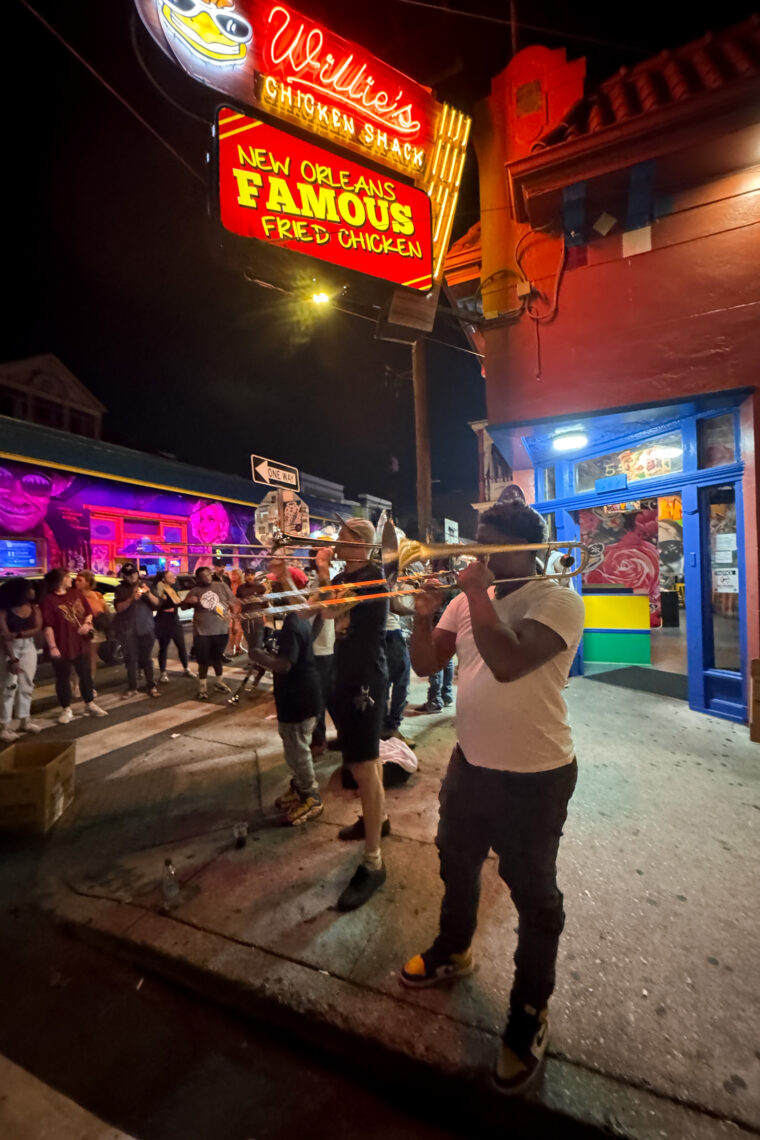
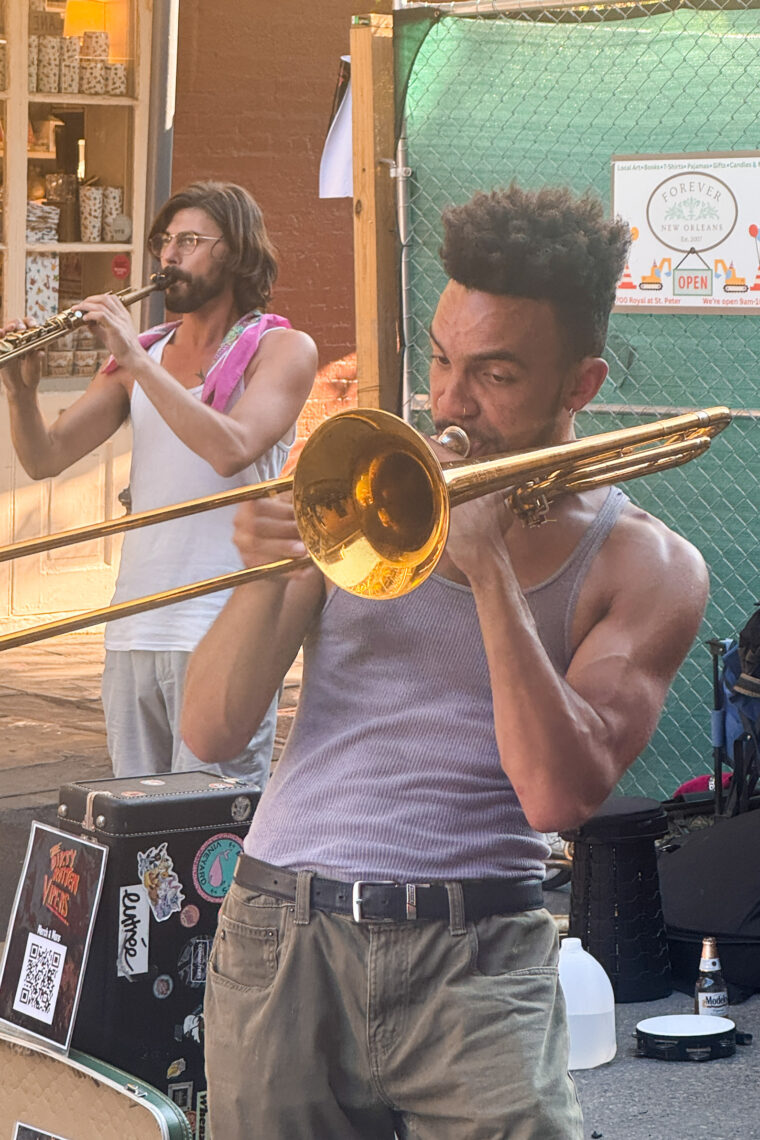
The French Quarter is the historic heart of New Orleans, a grid of narrow streets lined with pastel buildings, wrought-iron balconies and live music echoing from open doors and street corners. From mid-afternoon, the best advice is simply to follow your ears towards whatever live music you like the sound of. Be sure to tip the band.
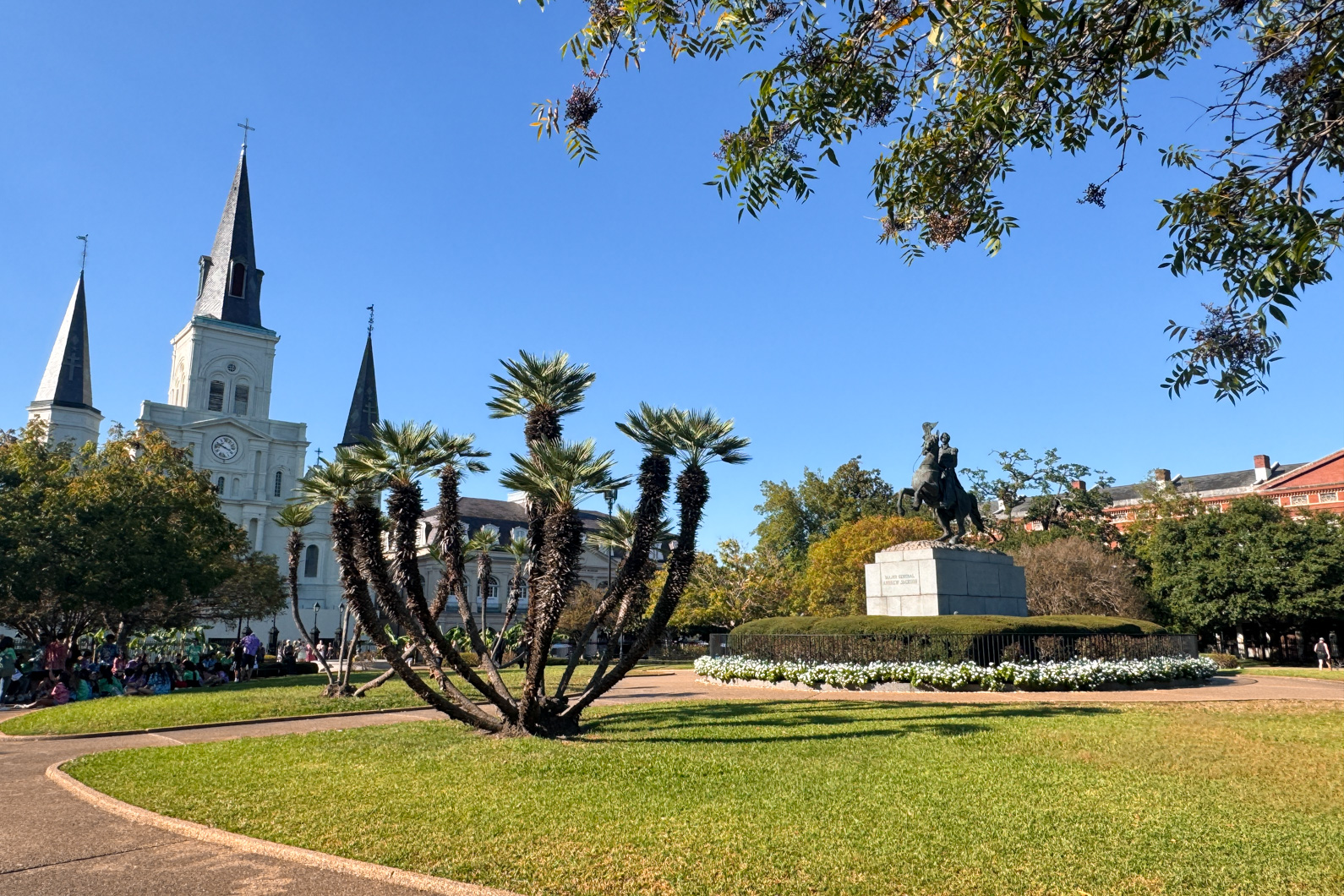
For a more formal starting point, head to Jackson Square, where performers and artists gather beneath the spires of St. Louis Cathedral – grab a table upstairs at Muriel’s on the corner of the square for prime people-watching.
Around the corner is Café du Monde, an institution since 1862, famous for its café au lait and powdered-sugar-covered beignets (A French-style doughnut). The flagship café at 800 Decatur Street is typically open from 7:15am until late evening, although you can find beignets all over the Quarter. The French Market next door is a good place to shop for souvenirs.
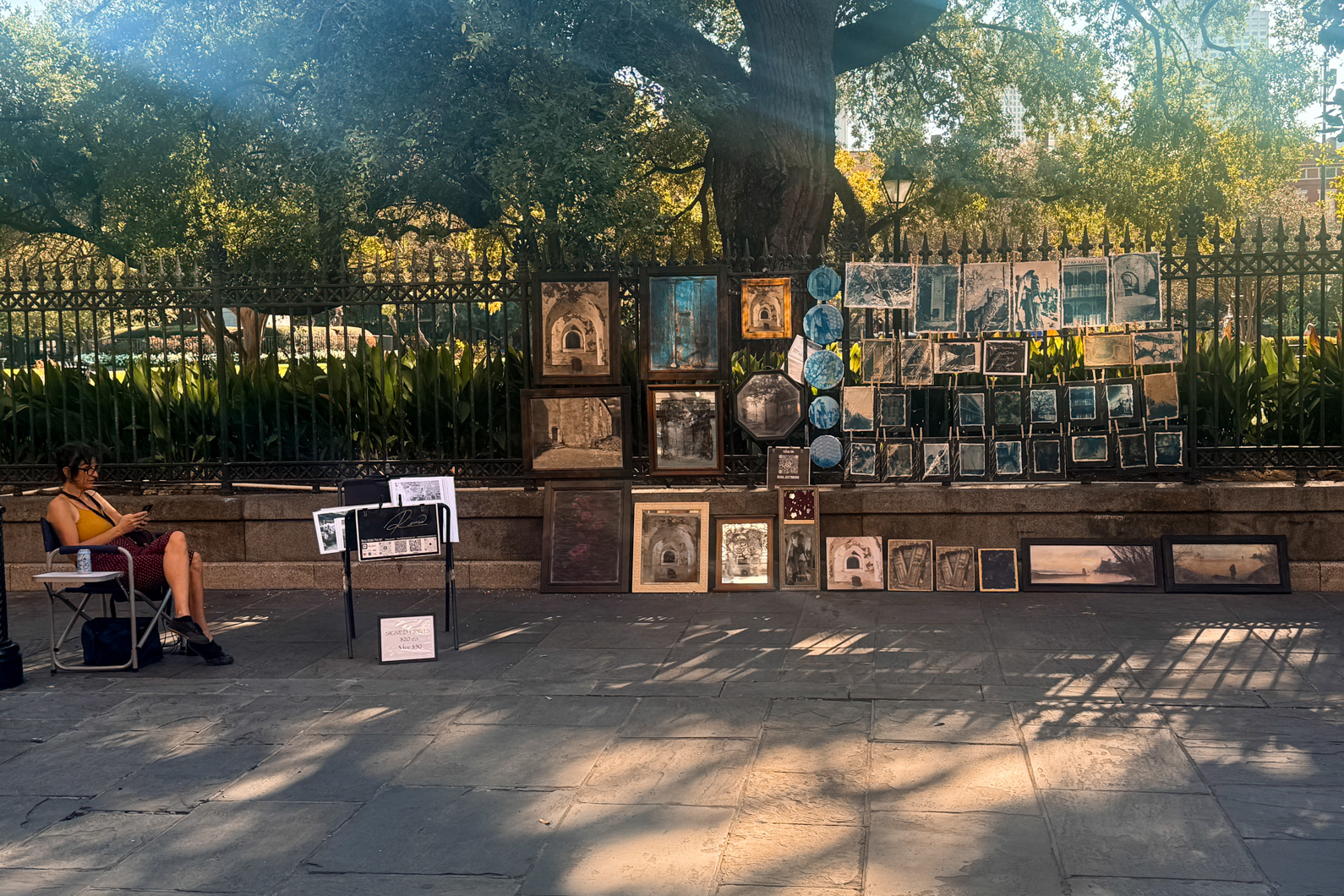
Beyond the landmarks, the Quarter rewards wandering. Royal Street is known for galleries and antique shops, while Bourbon Street’s reputation lies in its raucous nightlife.
It’s one of those places where the atmosphere itself is the attraction, and you’ll soon find your new favourite bar, café and gallery.
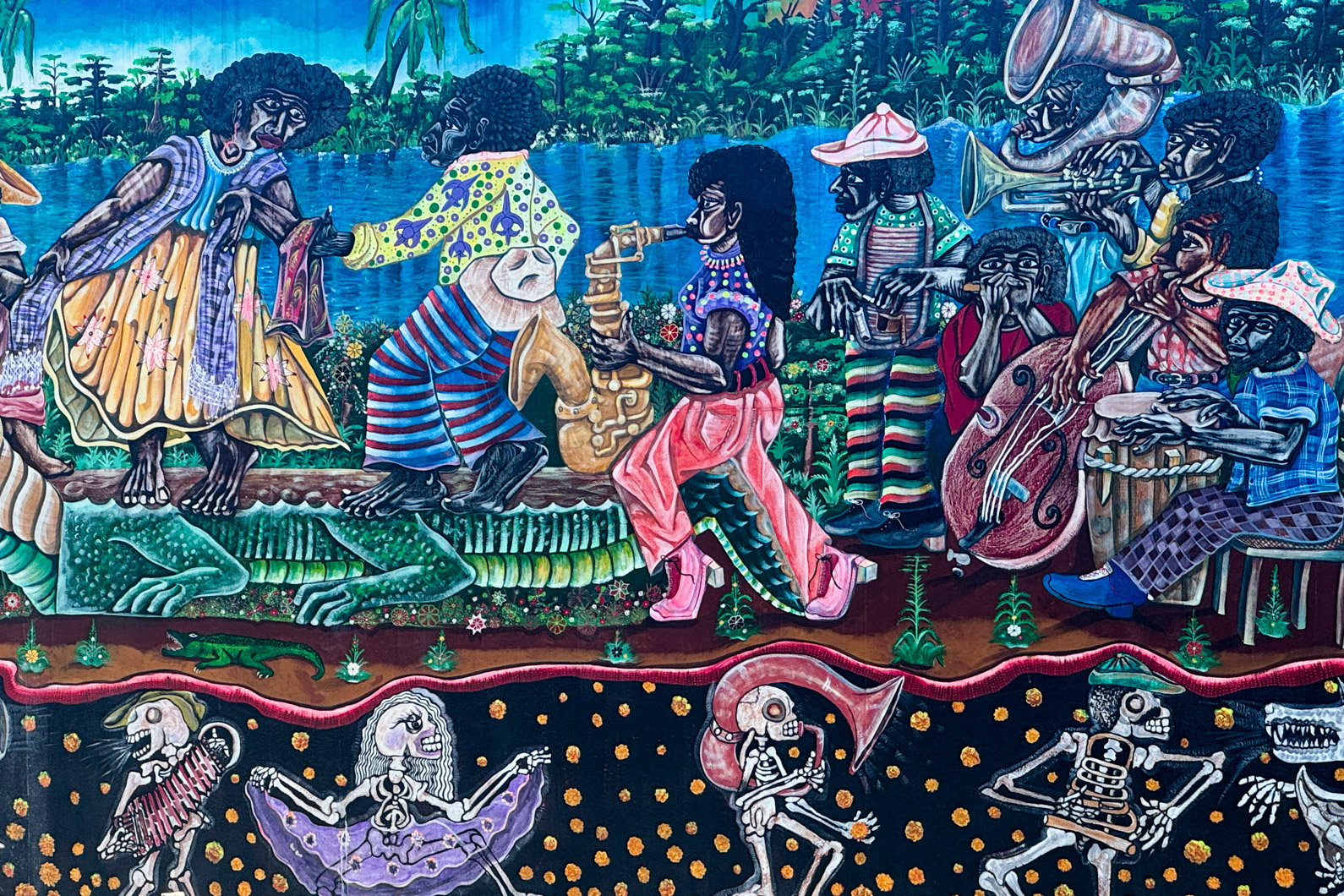
2. Hear Jazz at Preservation Hall
If you want to experience the roots of New Orleans jazz, head to Preservation Hall (tickets from $25 pp), a tiny venue in the French Quarter that has hosted traditional jazz performances since 1961.
The space is deliberately simple, no bar, minimal seating (arrive early to avoid standing) and a small wooden stage, which keeps the focus entirely on the music.
Shows run several times each evening and last about 45 minutes. Because the venue is small, it’s best to book tickets in advance, where you can also check the nightly performance schedule.
Standing-room tickets are often available – you’ll need to line up outside at least 30 minutes before the start time. As soon as the first note hits, you’ll be transported back in time to the Golden Age of jazz and find yourself unavoidably swept away with the music that defines this city.
Absolutely one of the best things to do in New Orleans.
3. Explore Frenchmen Street and the Frenchmen Art Market
Just beyond the French Quarter, Frenchmen Street is another of the best things to do in New Orleans. This is where many locals go for live music, eschewing the more touristy end of Bourbon Street.
The short stretch of bars and clubs hosts jazz, blues and brass bands almost every night of the week. Bring ID and bear in mind that many venues are cash only.
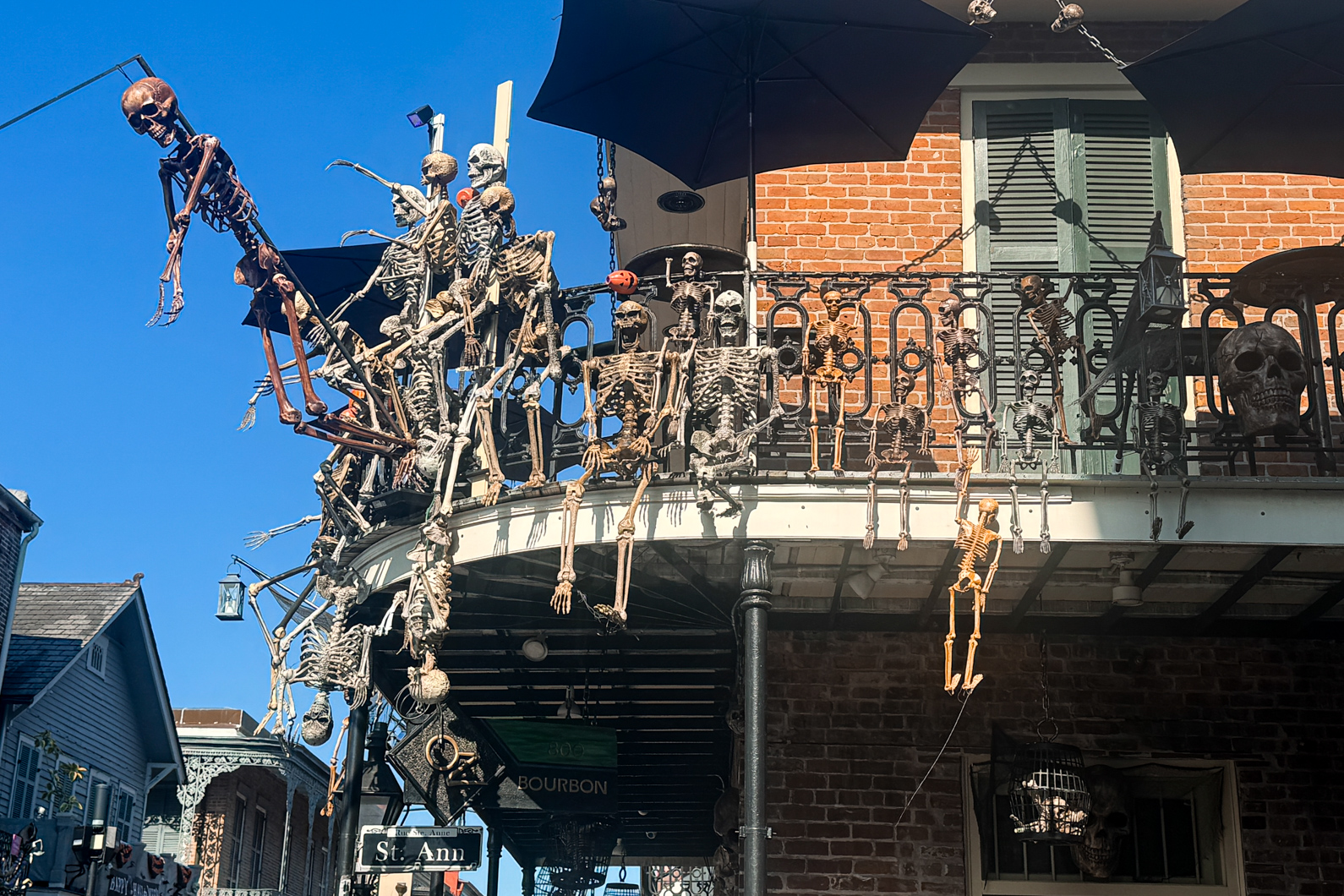
Between venues, stop by the Frenchmen Art Market, an open-air night market featuring local artists selling paintings, jewellery and handmade crafts – in typical New Orleans fashion, the offerings are quirky and one-of-a-kind. It typically runs Thursday through Sunday from around 7pm until midnight, though hours vary slightly by season.
Clubs such as The Spotted Cat regularly feature excellent musicians, and hopping between venues is part of the experience. It’s easy to arrive planning one drink and end up spending the entire evening bar-hopping, listening to band after band.
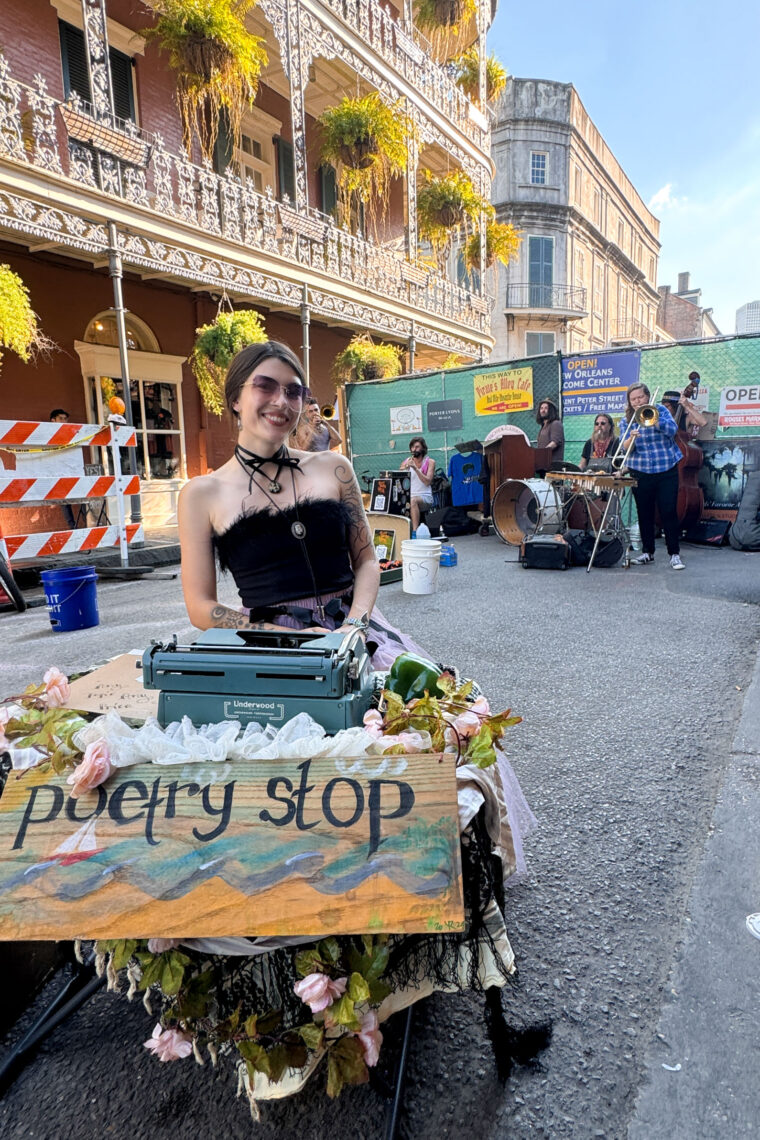
4. Tour St. Louis Cemetery No. 1
New Orleans cemeteries are distinctive because many tombs sit above ground, a practical solution in a city below sea level. St. Louis Cemetery No. 1, established in 1789, is the oldest surviving cemetery in the city and the burial place of the legendary Voodoo priestess Marie Laveau, stories of whom have been passed down through generations of residents.
Visits are only permitted on guided tours with licensed operators (tickets from $25 pp), which helps protect the historic site and creates a more intimate – and occasionally – spooky atmosphere. Tours run several times daily.
The expert guides explain the city’s burial traditions and the folklore that surrounds the cemetery’s famous residents…deciding where the line lies between truth and fiction is all part of the fun. For those who want an extra degree of peril, night graveyard tours are also a fixture.
One of the best things to do in New Orleans if you love history and diving deeper into the culture.
5. Barhop along Bourbon Street
Bourbon Street is loud, chaotic and undeniably part of the New Orleans experience. Unquestionably touristy, occasionally tacky but irresistibly good fun.
The trick is knowing which bars are worth stepping into. The area closest to St Charles Avenue is more raucous, serving up Hurricanes and Hand Grenades in uniquely shaped glasses. The Old Absinthe House (240 Bourbon Street) is one of the most iconic venues on this street, where writers like Mark Twain once drank the infamous green spirit. Tread carefully if you choose to follow in his footsteps!
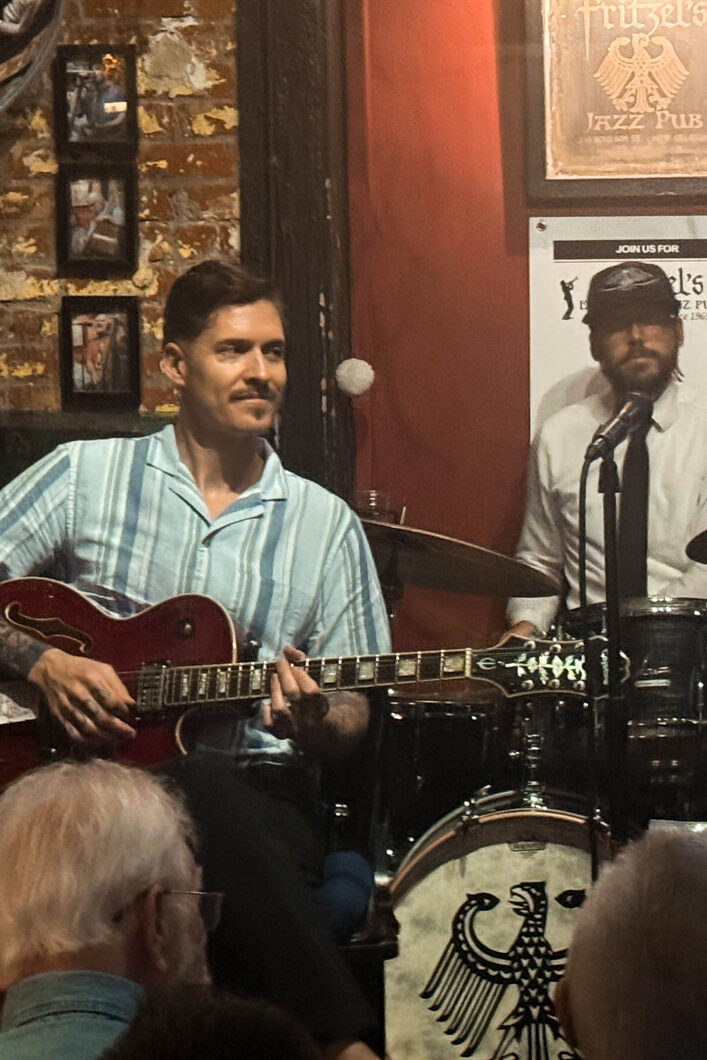
Further down the street, the locations become calmer. Fritzel’s European Jazz Pub (733 Bourbon Street), one of the few places on Bourbon dedicated to traditional jazz, with live music every night from roughly 6 pm onward.
Lafitte’s Blacksmith Shop (941 Bourbon Street), believed to be one of the oldest bars in the United States, is housed in an 18th-century building once linked to pirate Jean Lafitte. On the same block, Lafitte’s in Exile (901 Bourbon Street) is the oldest gay bar in the United States with memorabilia to prove it. Look out for the po-faced framed letters from the US Navy in the 1950s complaining sailors on shore leave couldn’t get enough of the place.
6. Explore the swamps with Cajun Pride and NOLA Zip
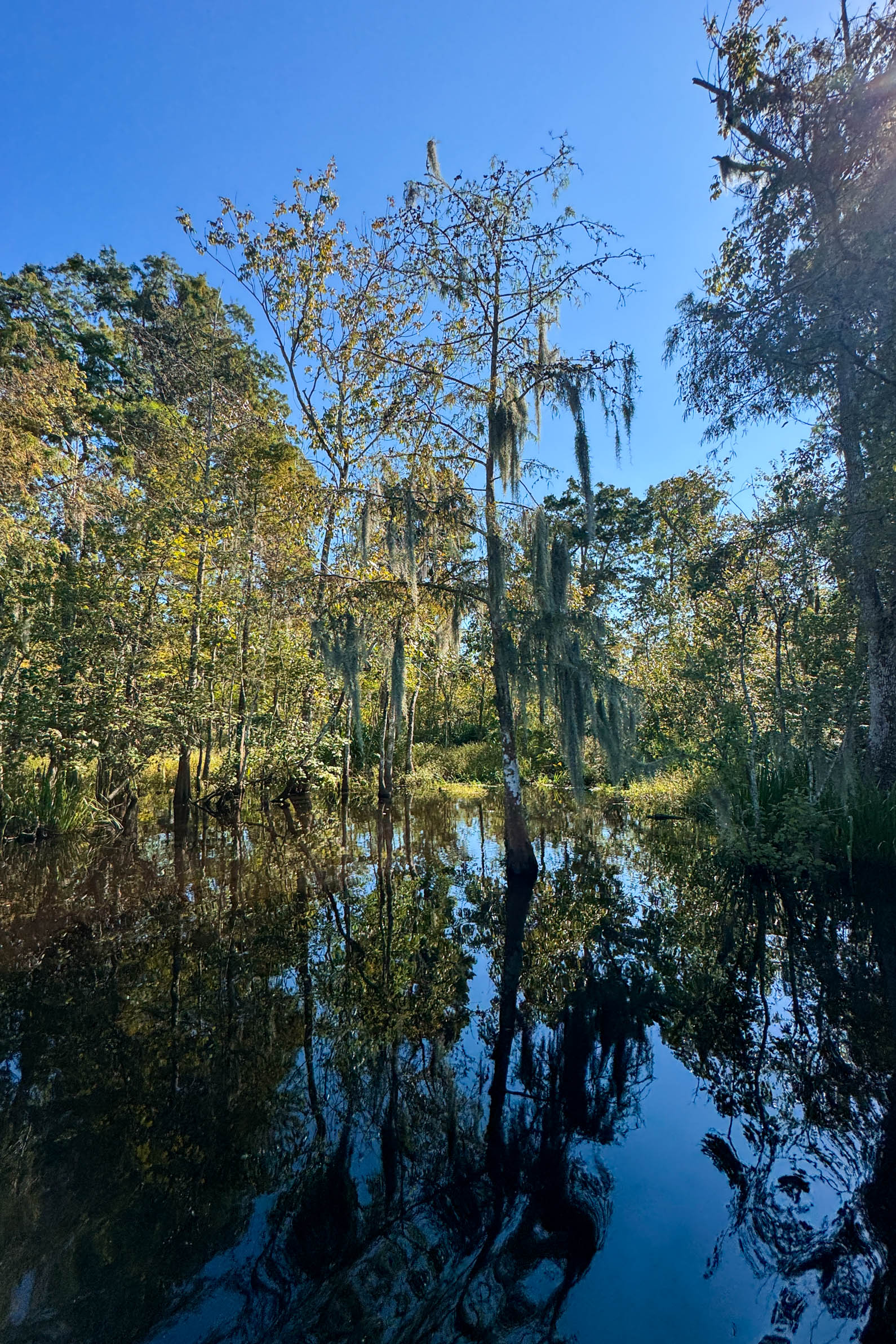
Just outside the city lies Louisiana’s bayou landscape, winding waterways, cypress trees draped with Spanish moss and wildlife lurking just below the surface. Two of the best things to do in New Orleans lie next to each other, within a 30-minute drive of New Orleans, making this an easy half-day trip.
Cajun Pride Swamp Tours (from $60 pp) operate boat tours through a private wildlife refuge with alligators aplenty. The boat captains are some of the best storytellers you’ll ever encounter, and you’ll leave impressed and slightly unnerved by how fast they swim and tales of unfortunate incidents of them mistaking visitors’ overhanging fingers for an early lunch. Abandoned graveyards, where raccoons fight – loudly – over graves, add to the slightly unworldly atmosphere.
Next door, Zip NOLA (from $89 pp) offers an altogether different view of the swamp, as visitors zip-line across five lines above the wetlands and forest canopy. The odd gator still lives in the waters beneath but you should be just about high enough to avoid them! Transfers to/from the city ($30 pp) can be arranged when booking.

7. Visit a historic plantation house
Plantation homes span the length of the Mississippi River and reveal a complicated but important chapter of Louisiana history. In recent times, conscious efforts have been made to ensure the history told is more rounded, to include the stories of the enslaved people who both built and kept these vast estates running
Oak Alley Plantation (from $27 pp), in Vacherie, about an hour from New Orleans, is the most visually striking. A long avenue of 28 towering live oak trees leads to a grand Greek Revival mansion built in the 1830s. The estate is open daily from 8:30am to 4:45pm, with house tours running roughly every half hour; book in advance.
Destrehan Plantation (from $27 pp) is even closer to New Orleans. Established in 1787, it is one of the oldest documented plantation homes in the region. It offers guided tours that focus heavily on the stories of enslaved people who lived and worked there – in keeping with the region’s complex history, the architect Charles Paquet was an enslaved master builder.
8. Learn to cook like a Cajun
Louisiana cuisine is a defining part of New Orleans culture, and one of the best ways to appreciate it is to learn how it’s made. In these parts, they say the best food matches the culture – everyone brings some ingredients to the bowl, but the end product is greatly enhanced by the mixing.
If you’re visiting Oak Alley, be sure to book a class at Spuddy’s Cajun Cooking Experience ($125 pp, $240 per couple) in Vacherie. You’ll learn the secrets of the Cajun holy trinity of ingredients and the exact ordering to make the best gumbo, jambalaya and shrimp creole of your life. Spuddy is Cajun through and through, and his stories will keep you entertained as you stir, layer and sample your creations. If this is the endpoint of your Louisiana road trip, you’ve picked a tasty place to finish.
The Big Easy Done Right
New Orleans isn’t a city built for rushing between sights. It’s a place that rewards lingering and changing direction, wherever your eyes, nose and ears take you.
This is a city and a region of stories, which locals share with flair and heart. The food, the music and the landscape are all tributes to the diverse communities that came to call New Orleans home and reward visitors at every turn. There are a few cities in the world that cast such a spell over you…and that’s before you even consider one more drink.
Have you been to New Orleans?
Thank you so much for reading! I hope it’s given you all the inspiration to plan and book your own trip to New Orleans!
Phil Thomas
Global Traveller Phil Thomas is a freelance travel writer, based in UK, with over 110 countries under his belt. You can follow Phil’s adventures through his blog, Someone Else’s Country and via Instagram, Facebook and Bluesky.