A Complete Guide To Cape Tribulation, Queensland
Welcome to my Complete Guide to visiting Cape Tribulation, Queensland. Everything you need for visiting Cape Tribulation, including how to get there, where to stay, the best time to visit, and the very best things to do once you cross the Daintree River.
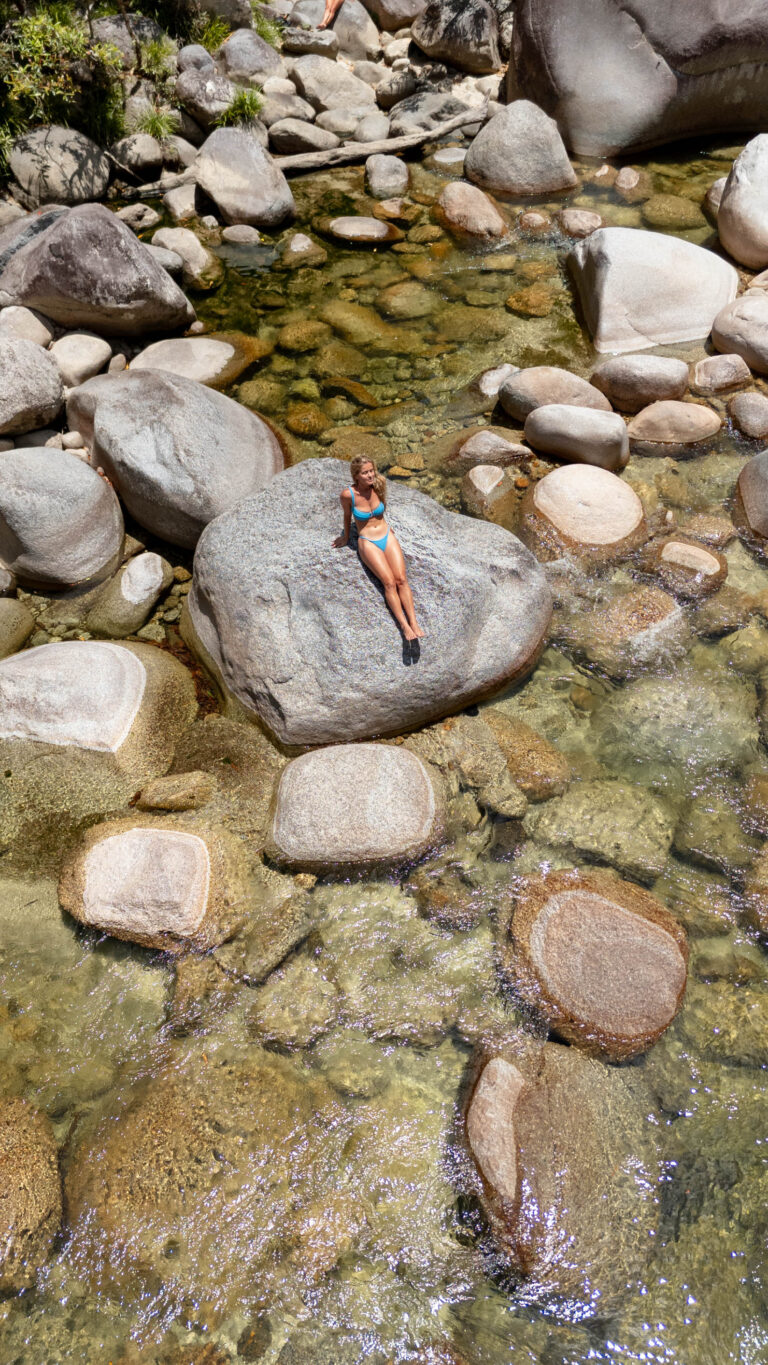
I’ve just returned from a 6-day road trip with my mumma (wholesome af), where I picked up a campervan in Cairns and ventured up through Mossman Gorge, Port Douglas, the Daintree River, and on to Cape Tribulation.
If you love off-the-grid, remote travelling, you will absolutely love it up here. Most people travelling the east coast of Australia fly into Cairns and then head down to Sydney, and I think that shows in how spacious and non-touristy Cape Tribulation feels. It feels exclusive; you can feel the rainforest’s density and it feels like you’re a million miles from civilisation. A beautiful place to head if you want a complete reset.
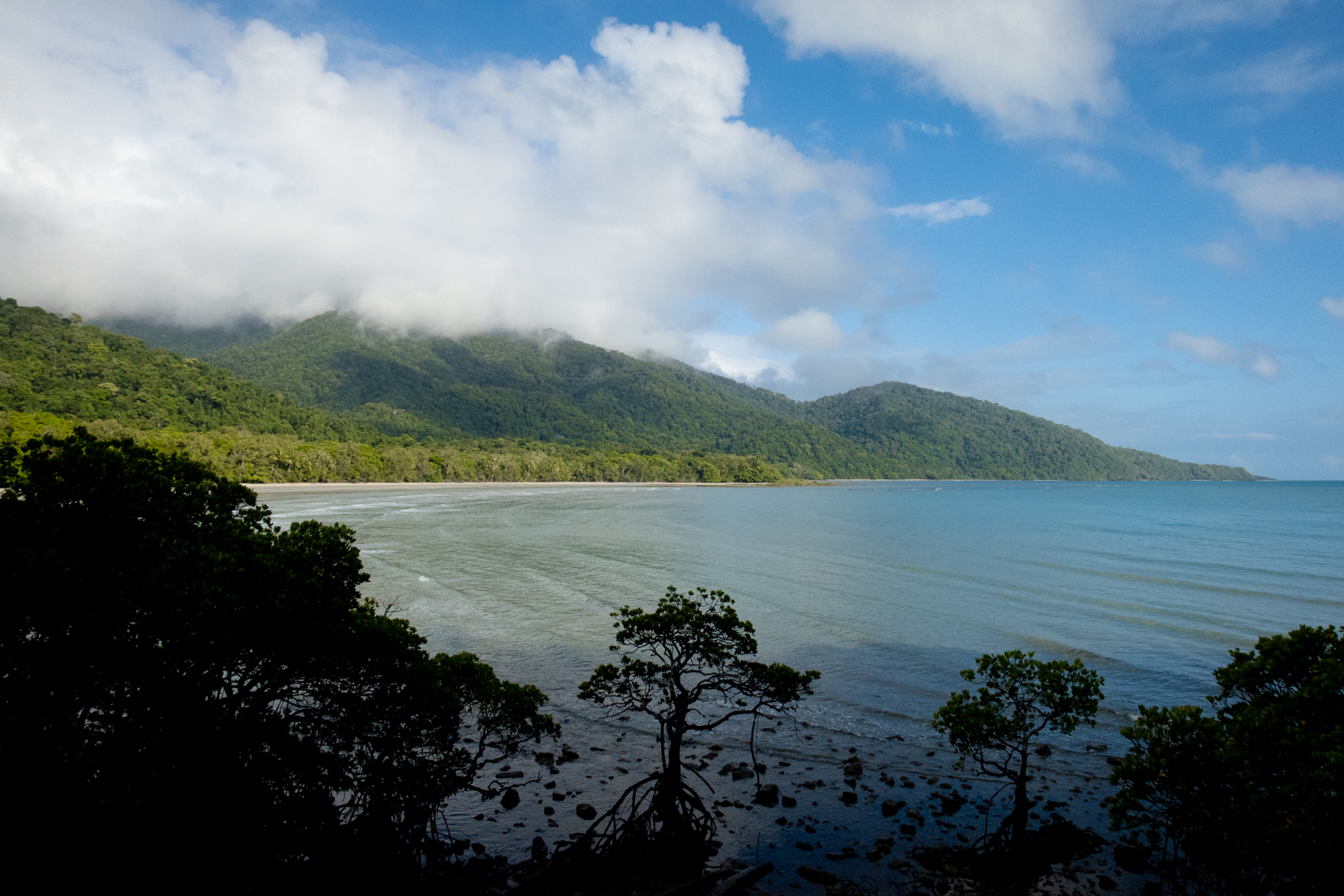
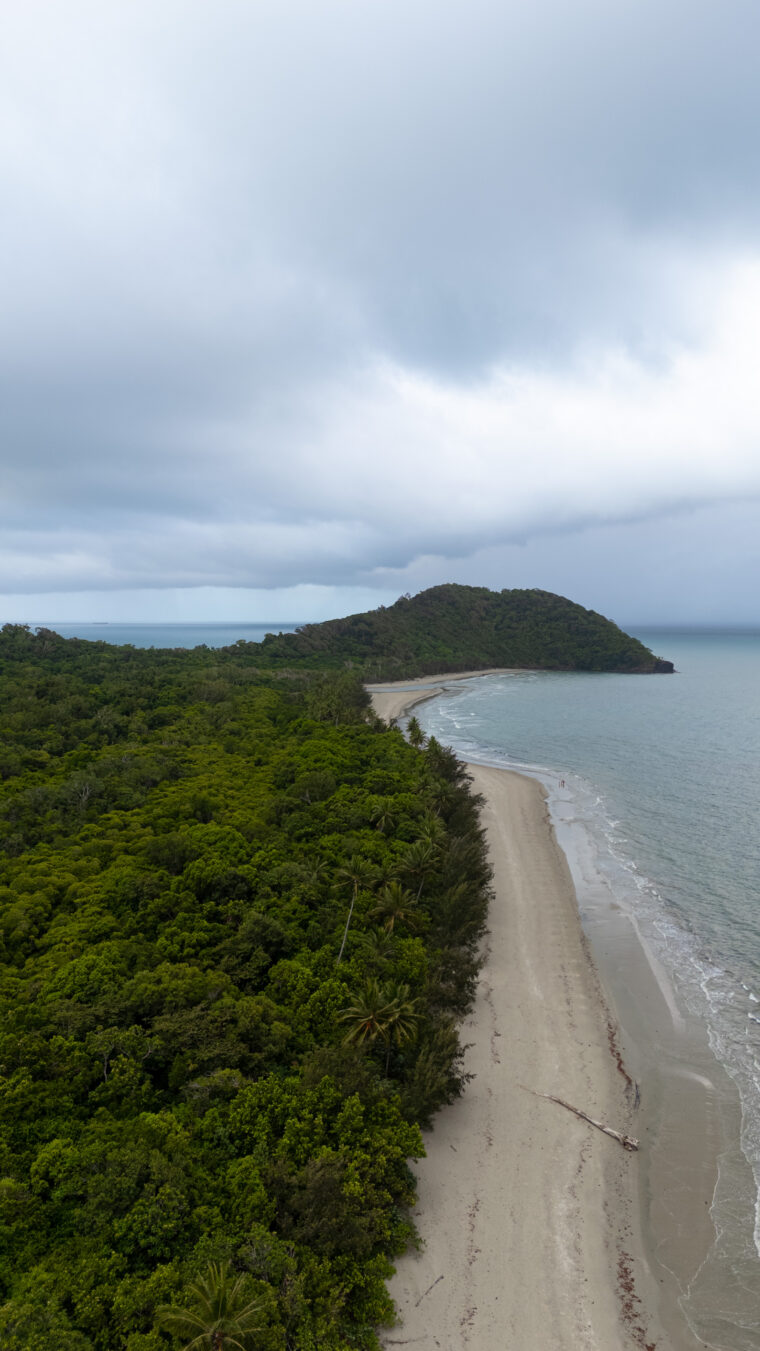
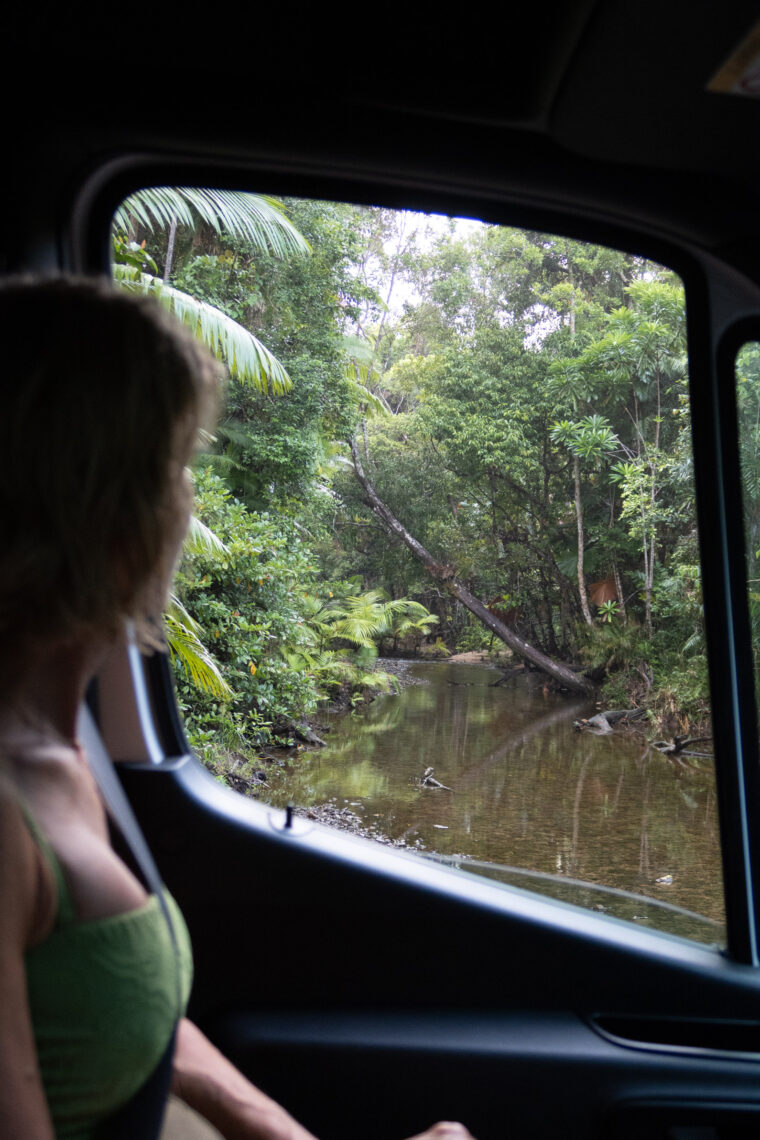
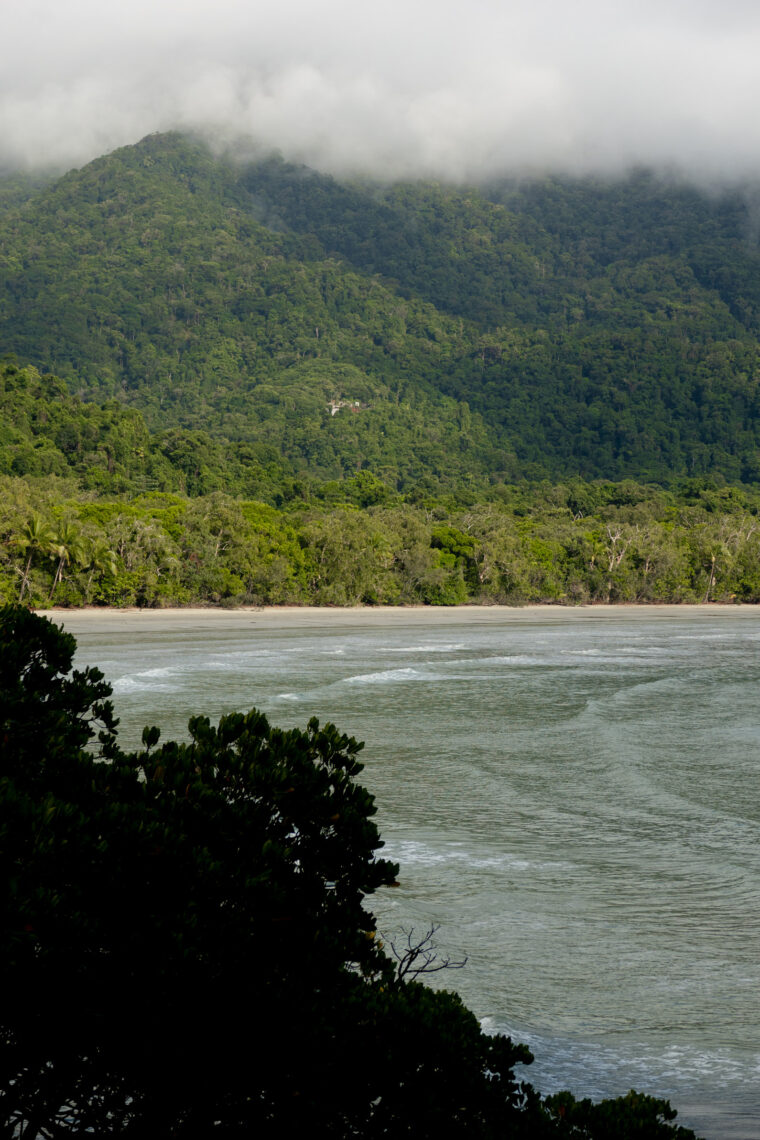
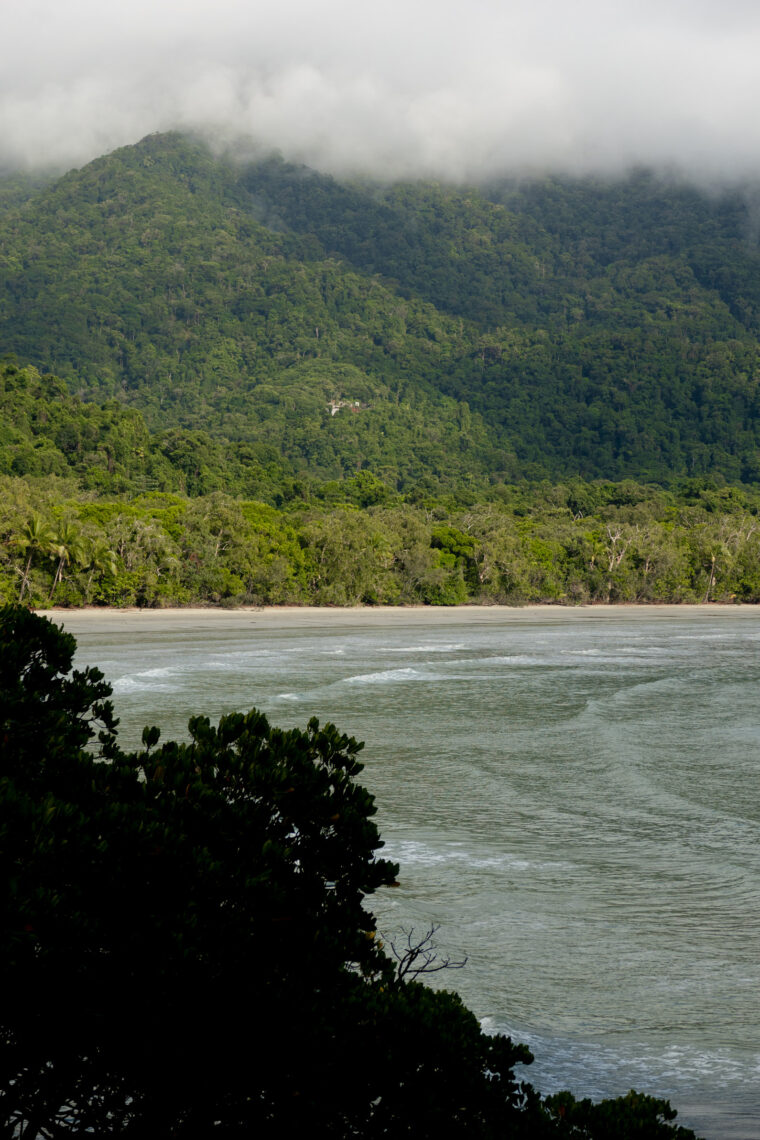
Cape Tribulation sits on Queensland‘s far northern coast, deep within Daintree National Park. It’s one of the only places on Earth where two World Heritage Areas meet, with ancient rainforest tumbling right down to the sand to meet the Great Barrier Reef. Take a look below to see how dense the rainforest is, and how little the modern world has touched it. I love that so much about Cape Tribulation.
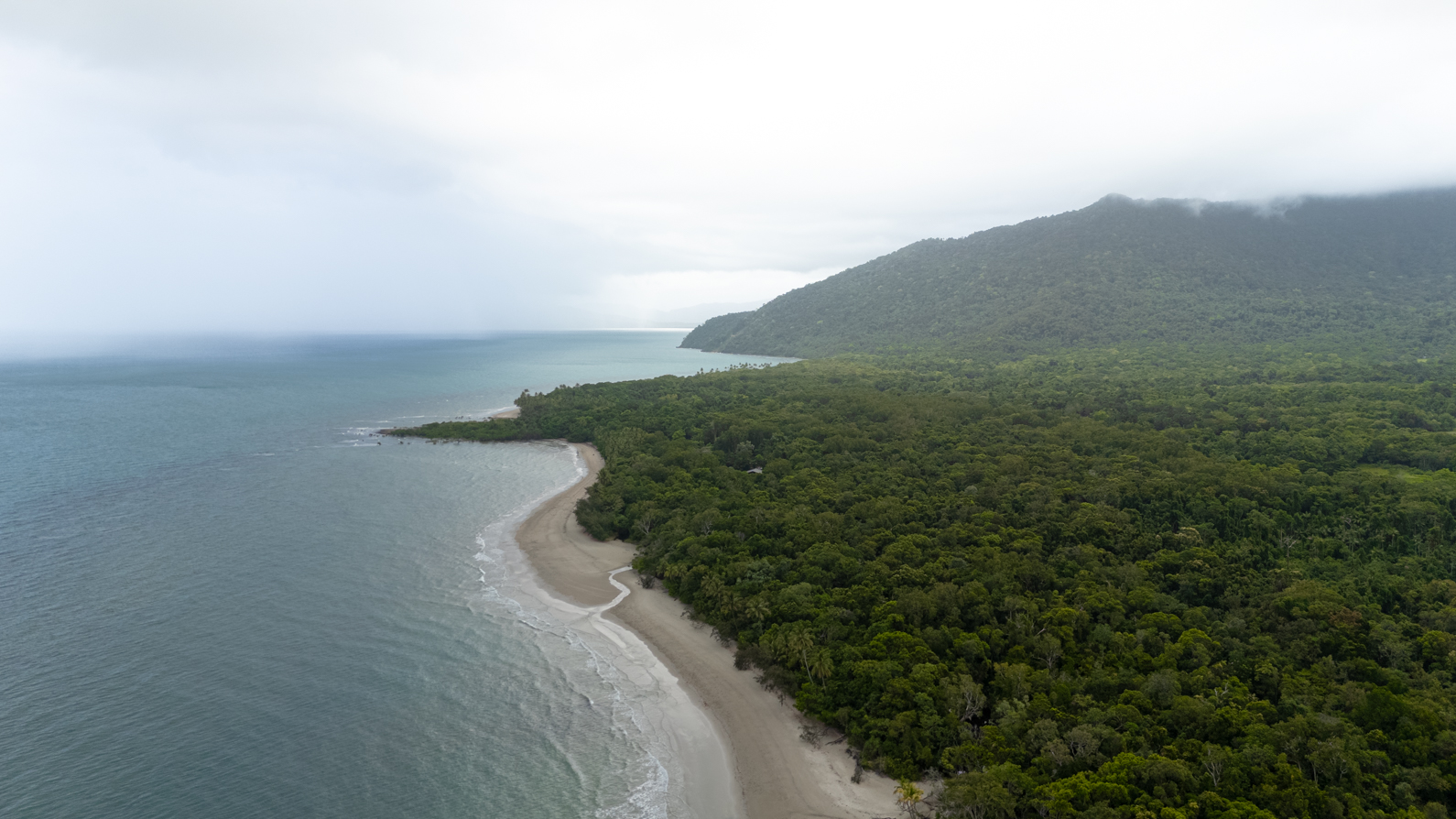
You may recognise the name from Captain Cook? He named the Cape Tribulation headland in 1770 after the Endeavour struck the reef nearby, writing that ‘here began all our troubles’.
But long before that, this was Eastern Kuku Yalanji Country, and it still is today. The Kuku Yalanji people are the Traditional Aboriginal Owners of the Daintree. Fun fact: The Daintree is estimated to be around 180 million years old, while the Amazon is around 100 million years old.
Let’s dive into the Cape Tribulation guide, shall we? And all the practical tips you need to plan it properly, from ferry costs to croc safety and all the best things to do in Cape Tribulation.
Planning your trip to Cape Tribulation
How to get to Cape Tribulation
By plane: Fly yourself into Cairns Airport, which has international flights from Asia and the Pacific and domestic flights from every major Australian city. From Cairns, hire a car or campervan for maximum freedom and turn it into a road trip! Plenty of rental options are available near the airport. My recommendation for motorhome hire is always to message RatPack Travel – they’ll find you the best deal.
The road is sealed all the way to Cape Tribulation, so you don’t need a 4WD unless you plan to continue north on the Bloomfield Track past Cape Trib.
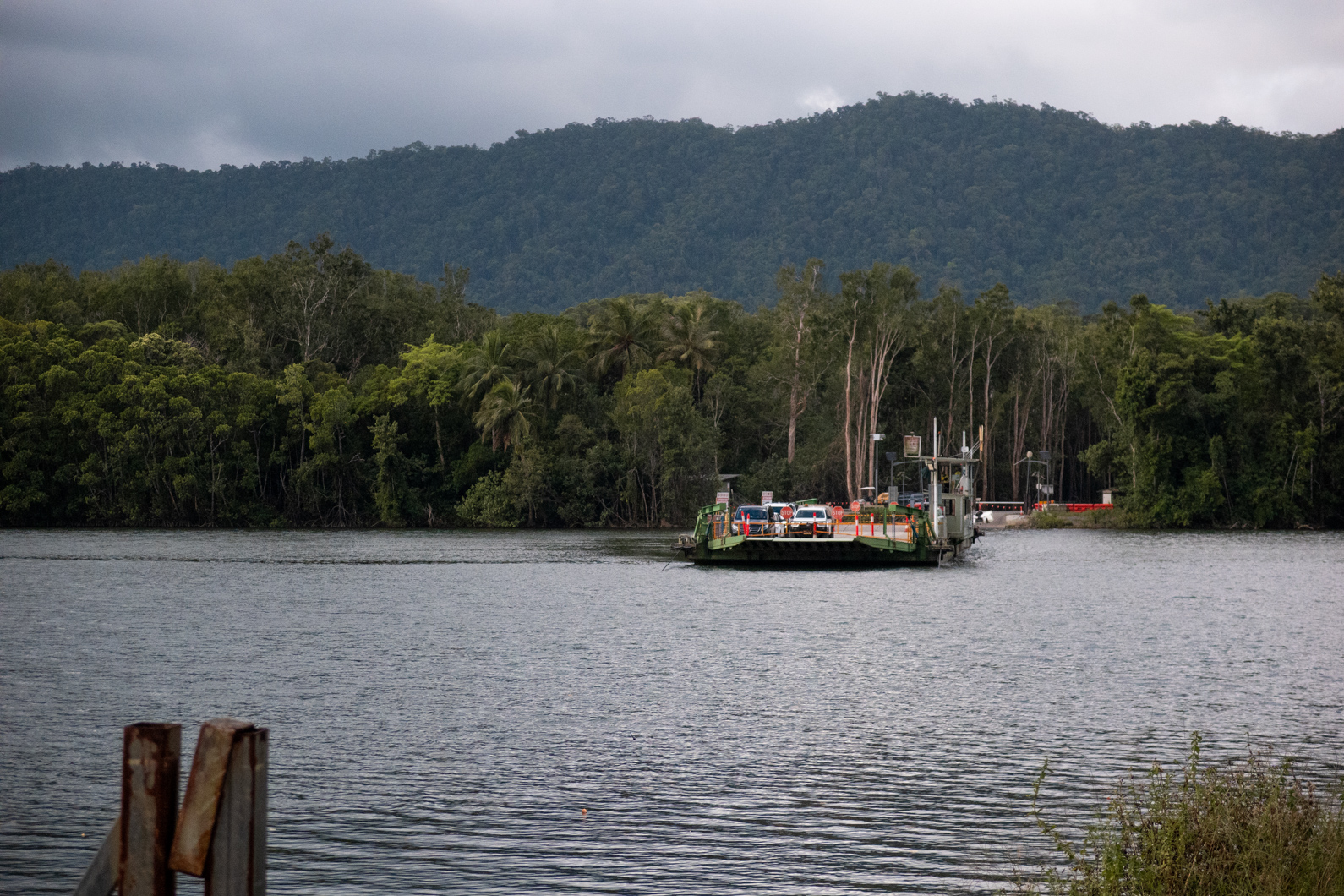
Driving from Cairns Airport: It’s around a 2 and a half hour drive from Cairns, passing Port Douglas and Mossman Gorge on the way – two spots I highly recommend stopping off at en route. You’ll arrive to and cross the Daintree River on the little cable ferry (5-minute crossing) before continuing on to Cape Trib the last stretch. The ferry runs daily from 5am to midnight (except Christmas Day), and we paid $57 return for our car, which you can pay when you arrive.
Options if you’re not driving: There are plenty of day tour options to Cape Tribulation that run from Cairns and Port Douglas. So you can absolutely still visit without a car and be guided to the best spots along the way.
Where to stay in Cape Tribulation
Staying overnight is the best way to experience Cape Tribulation because once the day-trippers leave, it’s just you and the rainforest. Accommodation options range from campgrounds and backpacker huts to rainforest cabins and eco-lodges. Safari Lodge has huts, campsites, a pool and a cafe, and it’s eco-certified. Book ahead in the dry season, as there are limited beds north of the river.
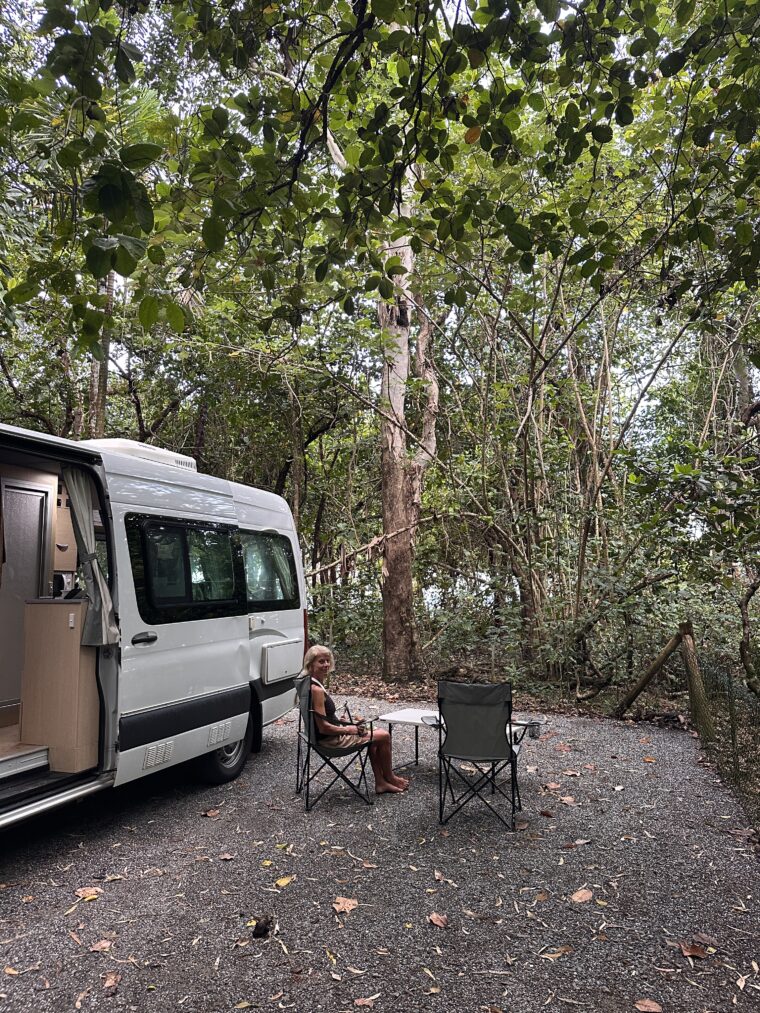
We stayed at Noah Beach campground in Daintree National Park for just $7.75 each per night. It’s a simple national park campground tucked into the rainforest, just 50metres behind the beach. It’s one of the best-value places to stay in the area, but there are very limited spots, so again, book ahead — you can always cancel if you change your mind. Book here.
The best time to visit Cape Tribulation
The dry season (roughly May to October) is the most popular time for visiting Cape Tribulation. Days are warm and sunny, humidity is lower, and walking tracks are at their best. So this is considered a great time to come.
The wet season (roughly December to April) brings heavy rain, flowing waterfalls, calling frogs and fireflies, but roads, tracks and even the ferry can be disrupted. Box jellyfish (stingers) are in the ocean in the warmer months, roughly October to May, so that brings an additional thing to consider, even if you do find lifeguarded swimming spots.
Watch out for crocs!!
Cape Tribulation is croc country, and saltwater crocodiles live in its rivers, creeks, mangroves and along the beaches. To stay safe:
– Never swim in the ocean, creeks or rivers unless the spot is known to be croc-safe, and obey every warning sign.
– Stay at least 5 m back from the water’s edge.
– Take extra care at dawn, dusk and night when crocs are most active.
– Never feed crocs or leave food scraps. It’s illegal in Queensland.
– Camp at least 50 m from the water and well above the high-tide mark.
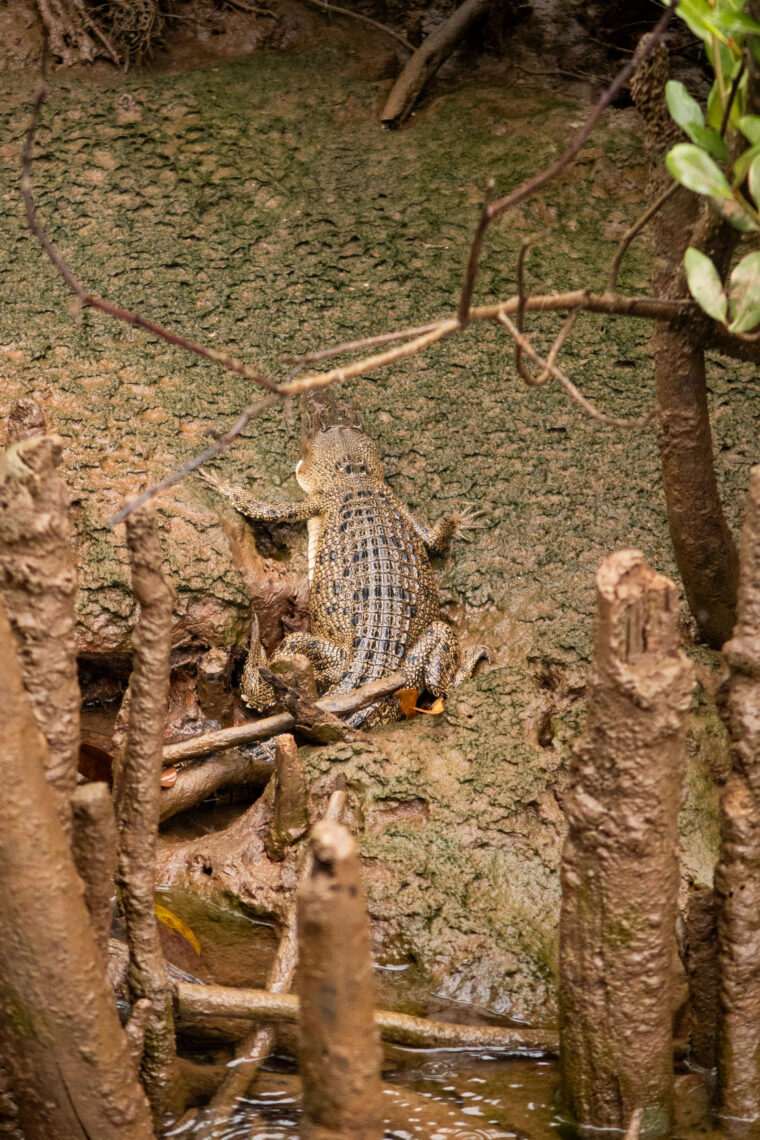
Fun fact: Crocs are cold-blooded, so in winter they bask on the banks to warm up. That’s the easiest time to spot one, if you’re wanting to book on to a river cruise.
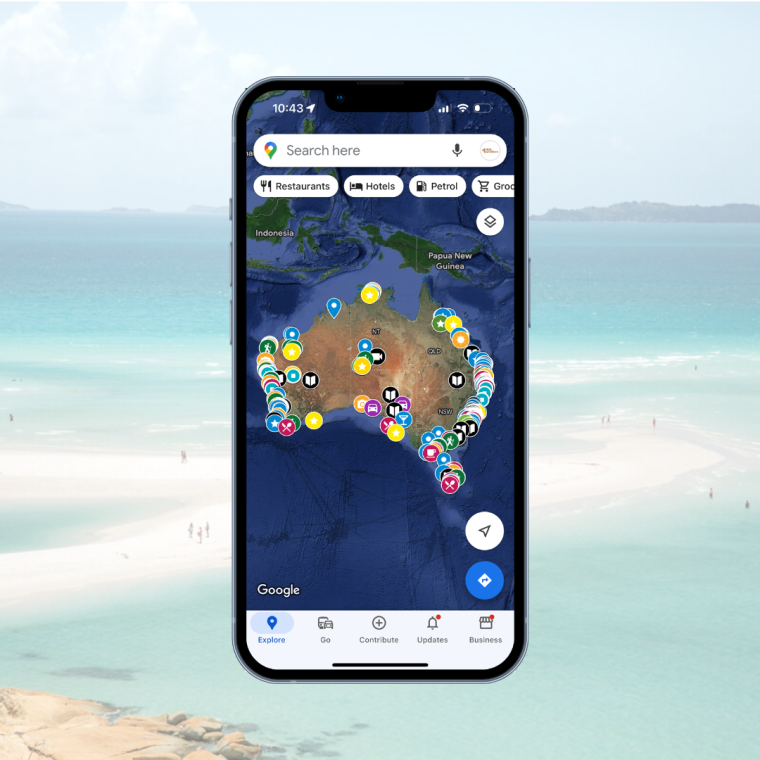
Australia Google Map
Get lifetime access to my endless hours of research and time spent on the ground finding the best places to eat, drink, relax and explore in Australia. You simply open the Google Map on your device and ALL my recommendations (over 400 pins) are at the touch of your fingertips.
The best things to do in Cape Tribulation
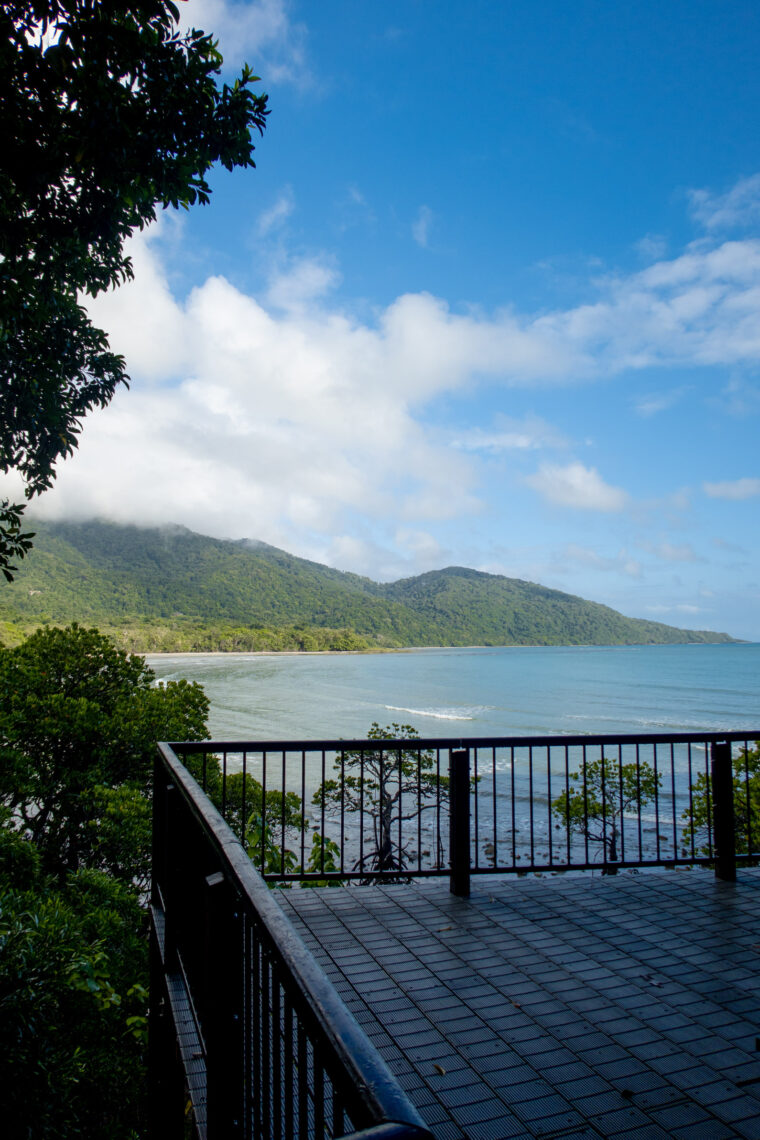
Watch the sunrise at Cape Tribulation Beach and Kulki Lookout
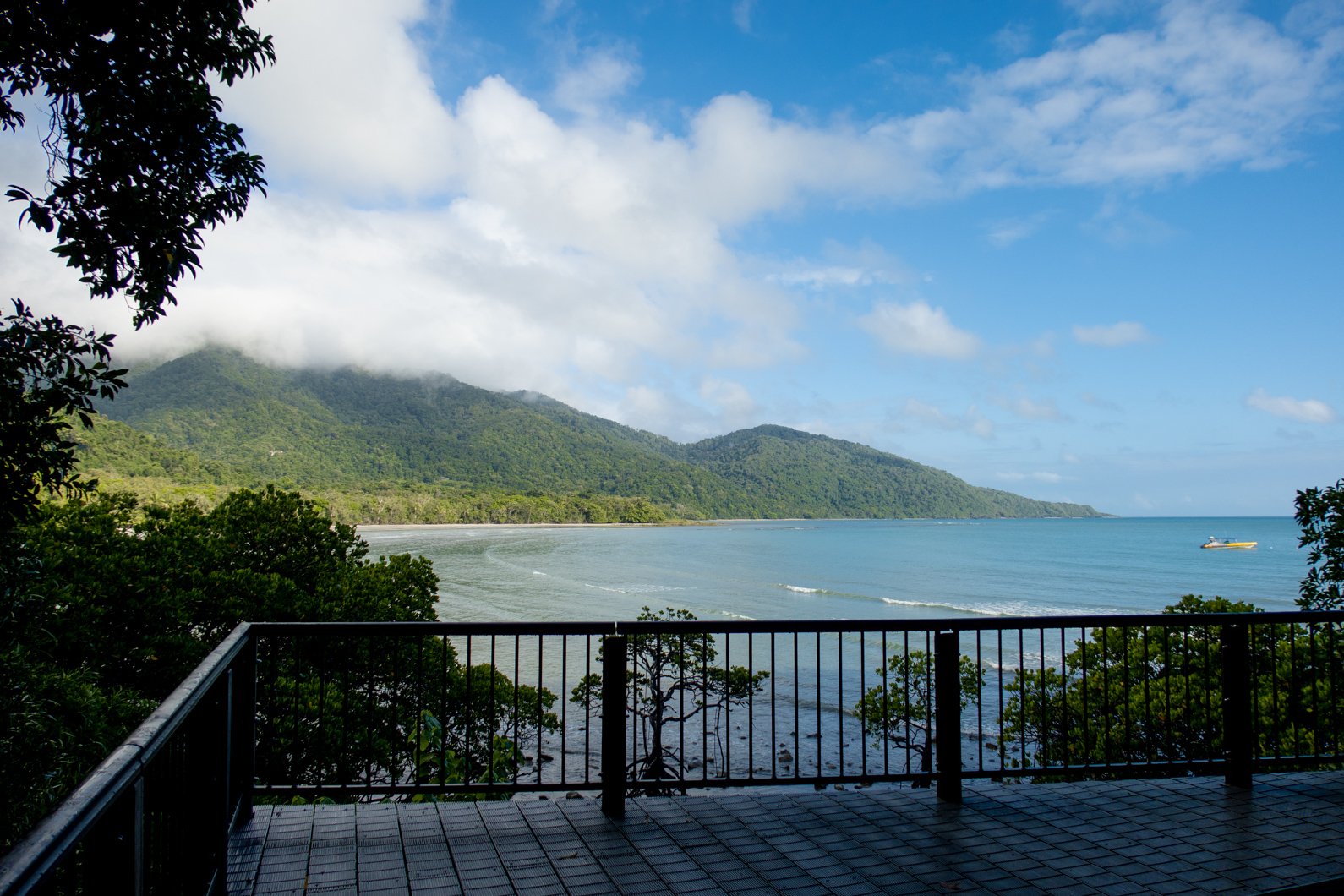
The beach where the rainforest meets the reef is the classic Cape Tribulation photo, and early morning is when it’s at its best. Park up in the free car park and follow the short Kulki boardwalk from the day-use area to the lookout.
You’ll approach the lookout as a grand reveal, and it’s honestly stunning. Take a look for yourself…
If you have a motorhome, make a coffee and wander here to enjoy it. The perfect start to your day in Cape Tribulation.
Walk the Dubuji boardwalk
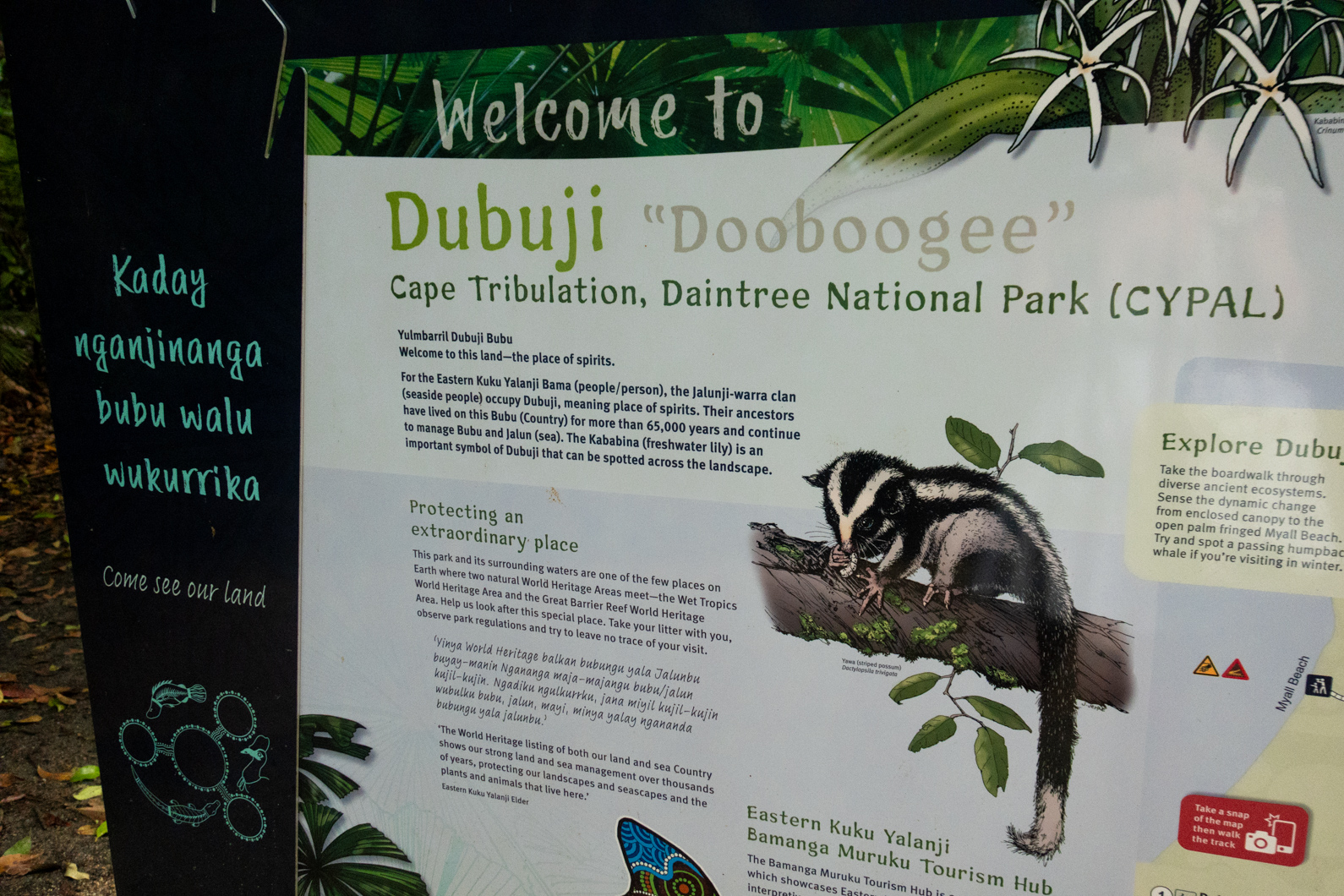
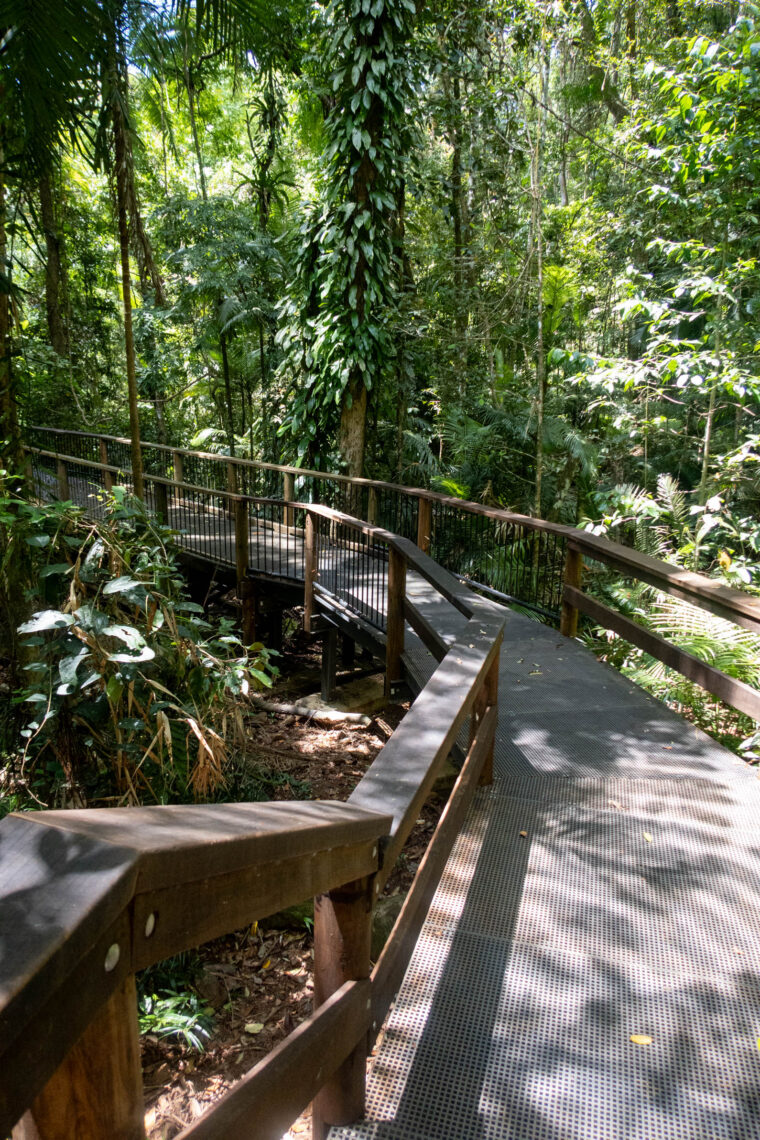
The Dubuji boardwalk is another easy, flat loop through rainforest, fan palms and mangroves, and it takes under an hour. The entrance is just down the road from Turtle Rock Cafe on the main ‘high street’. A great pairing. Do the walk, then enjoy lunch at the cafe.
The Dubuji walk is another great way to see the Daintree’s incredible plant life up close without a tough hike. Keep an eye on the mangrove mud for crabs and mudskippers, and on the canopy for birds. It’s free, self-guided and perfect for any fitness level.
Explore the Daintree Discovery Centre
On the way up to Cape Tribulation, stop at the Daintree Discovery Centre. You can opt in to a paid adventure here to explore the 23m canopy tower and aerial walkway, giving you a unique opportunity to see each layer of the forest.
We actually ended up here thinking it was the Jindalba boardwalk (free walk), but it wasn’t. We did, however, grab a great coffee from the cafe here and bought some postcards!
Wander the Jindalba boardwalk
You can either continue down from the Discovery Centre to park closer to the walk entrance, or grab your coffee from the cafe and walk 10 minutes down to the start, which is what we did.
The Jindalba boardwalk is another free, self-guided rainforest walk that takes under an hour. The name comes from the Kuku Yalanji word for the foothills, and the walk winds through lowland rainforest at the base of the mountains.
Look for fan palms, strangler figs and, if you’re lucky, a cassowary moving through the forest! We didn’t see one, but we walked past some people who did. I think you really need to be present, look, and have a stroke of luck! Stunning nonetheless.
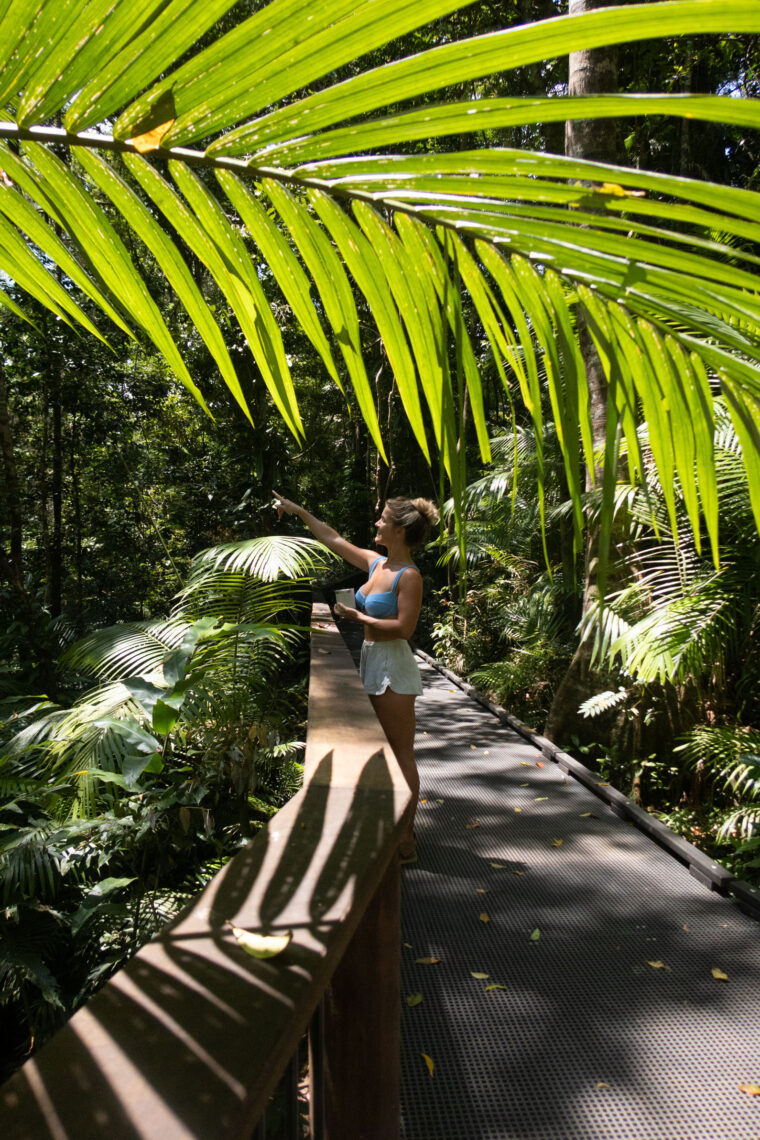
Enjoy the drive through the ancient rainforest and pick up some local produce
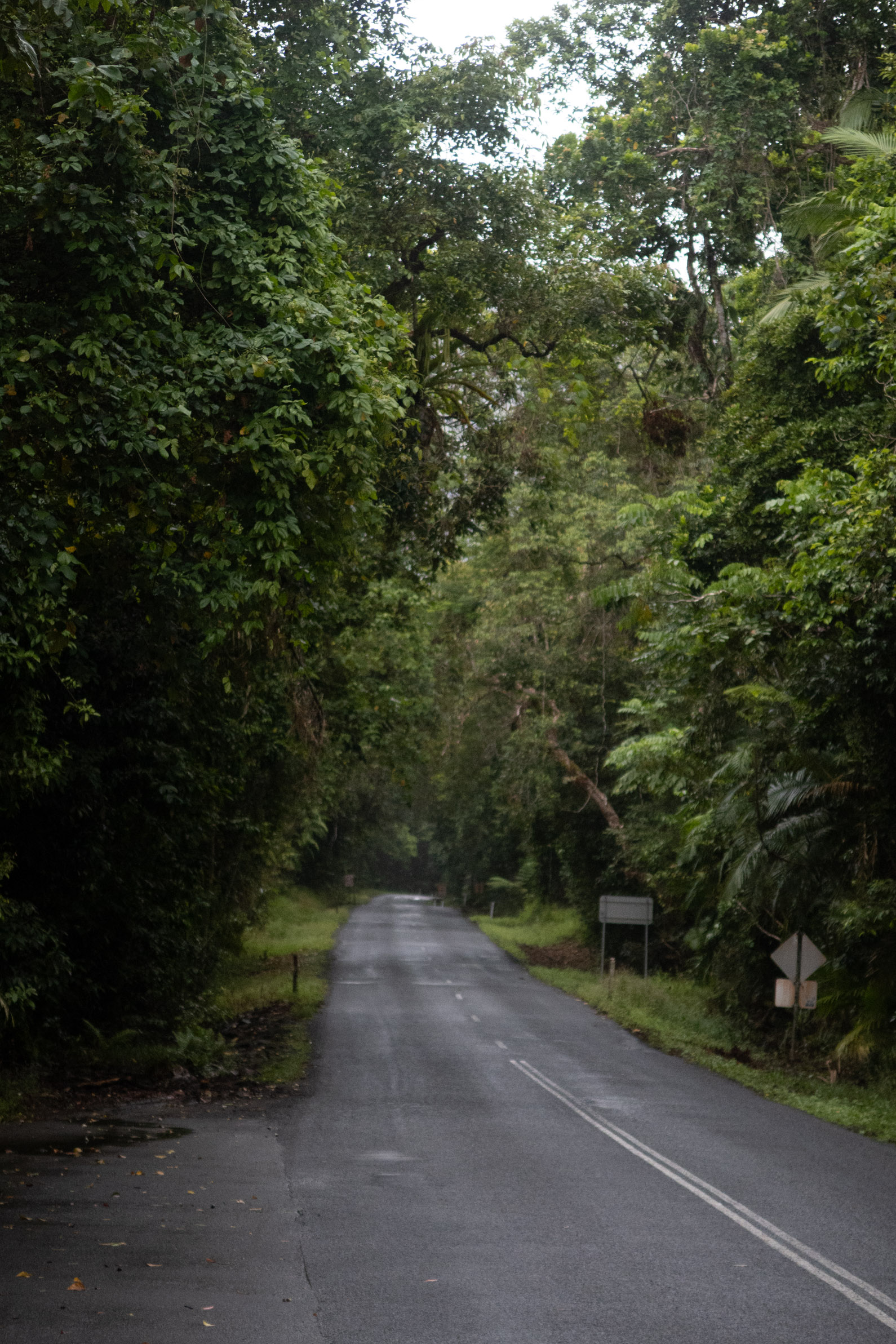
Honestly, one of my favourite things about my time in Cape Tribulation was just driving in the van. Weaving through the dense jungle and absorbing the precious energy of this land, no traffic, little development and lots of rivers to cross and wildlife to observe.
There really isn’t too much to do in this part of Queensland when you compare it to other tourist hotspots, and I love it. You don’t feel like you’re rushing from one thing to the next, half of the adventure is just to go slow and be present to an ancient land that speaks through the birds and the trees.
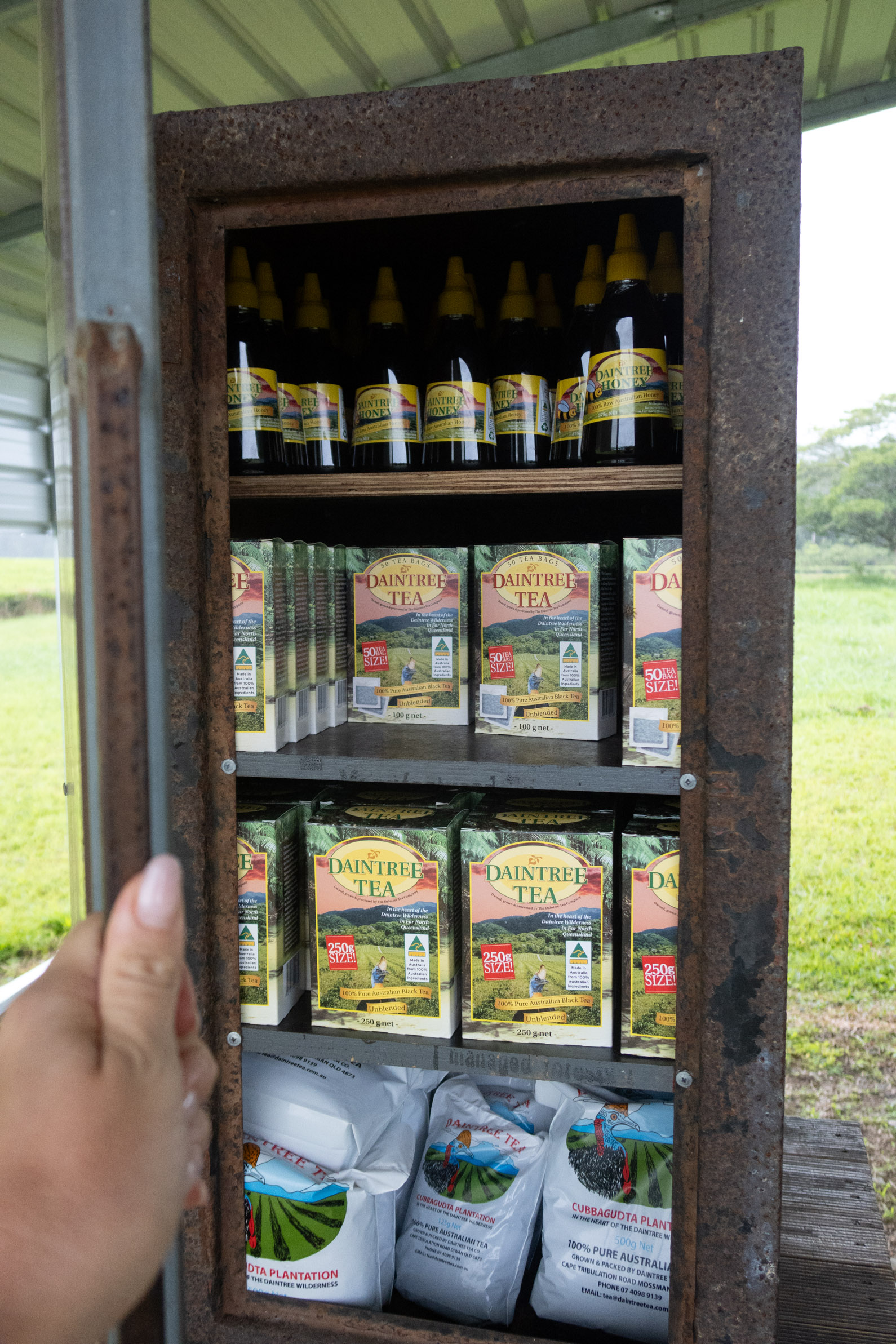
Save some time to just drive and pick up local products from the stalls on the side of the road. Nothing better than eating local and supporting local growers.
Conquer the Mount Sorrow Ridge Walk
If you’re looking for a more demanding adventure during your time in Cape Tribulation, the Mount Sorrow Ridge Walk is the big one when visiting Cape Tribulation.
It’s a 7km return and takes around six hours. You’ll climb through dense lowland rainforest into open forest, and arrive to a lookout over Cape Tribulation, Snapper Island and the Great Barrier Reef. The tip is to start early for this one and carry 3 to 4 litres of water with you. Be sure to. Always tell someone your plans and stay on the marked track. Avoid it in wet or very hot weather.
Keep an eye out for cassowaries
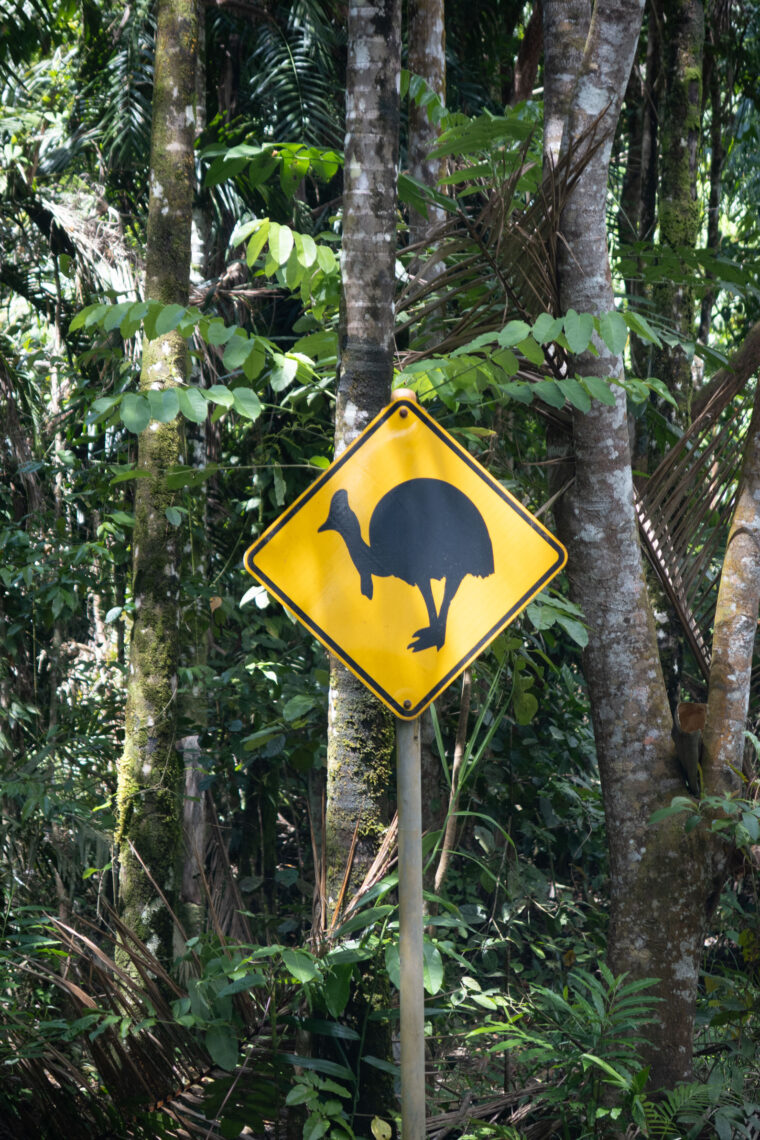
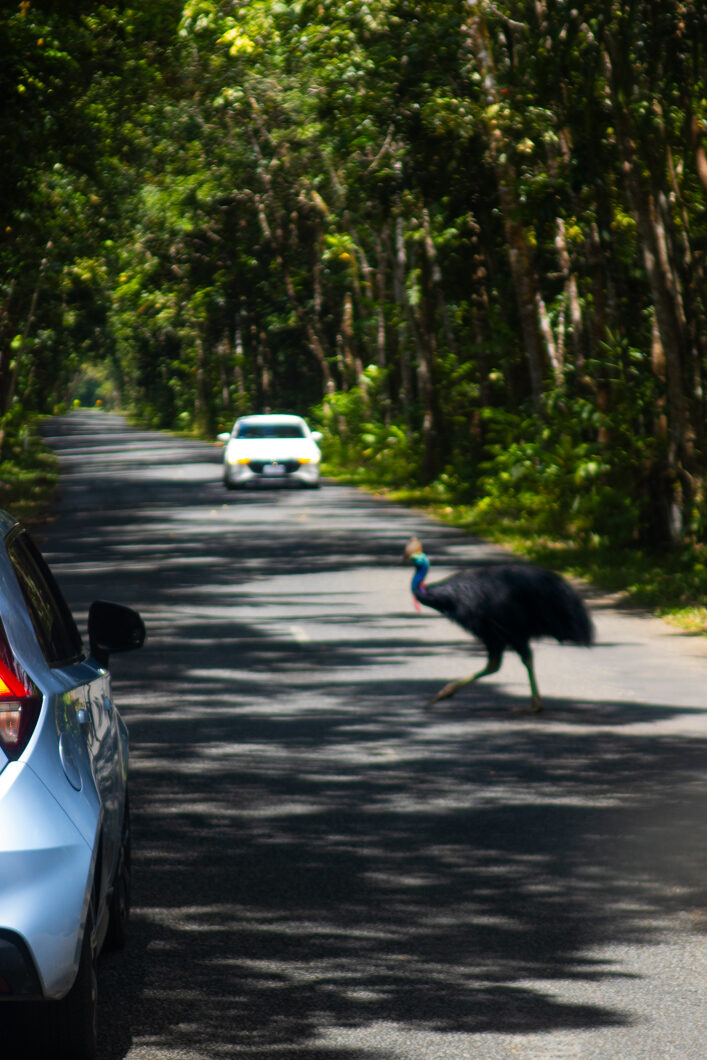
The Daintree is home to the endangered southern cassowary, a huge, flightless bird with a bright blue neck and a helmet-like casque.
You might spot one crossing the road (as we did, see below) or walking through the forest on one of the boardwalks. They are especially active in the early morning.
If you do come close to a cassowary:
- Keep your distance
- Never feed it
- Give it right of way
Swim at Mason’s swimming hole
After a hot day of hiking, nothing beats a dip in a cool, clear freshwater swimming hole. You’ll soon figure in TNQ that finding a swimming hole or swimming spot where you can swim safely (no crocs) is like gold dust. This is one of them.
Near Mason’s Cafe, this is a local favourite and one of the few places you can enjoy! Grab a wild meat burger for a real aussie adventure at the cafe afterwards, with options like emu, crocodile and kangaroo to choose from.
Have a smoothie / lunch on the main strip
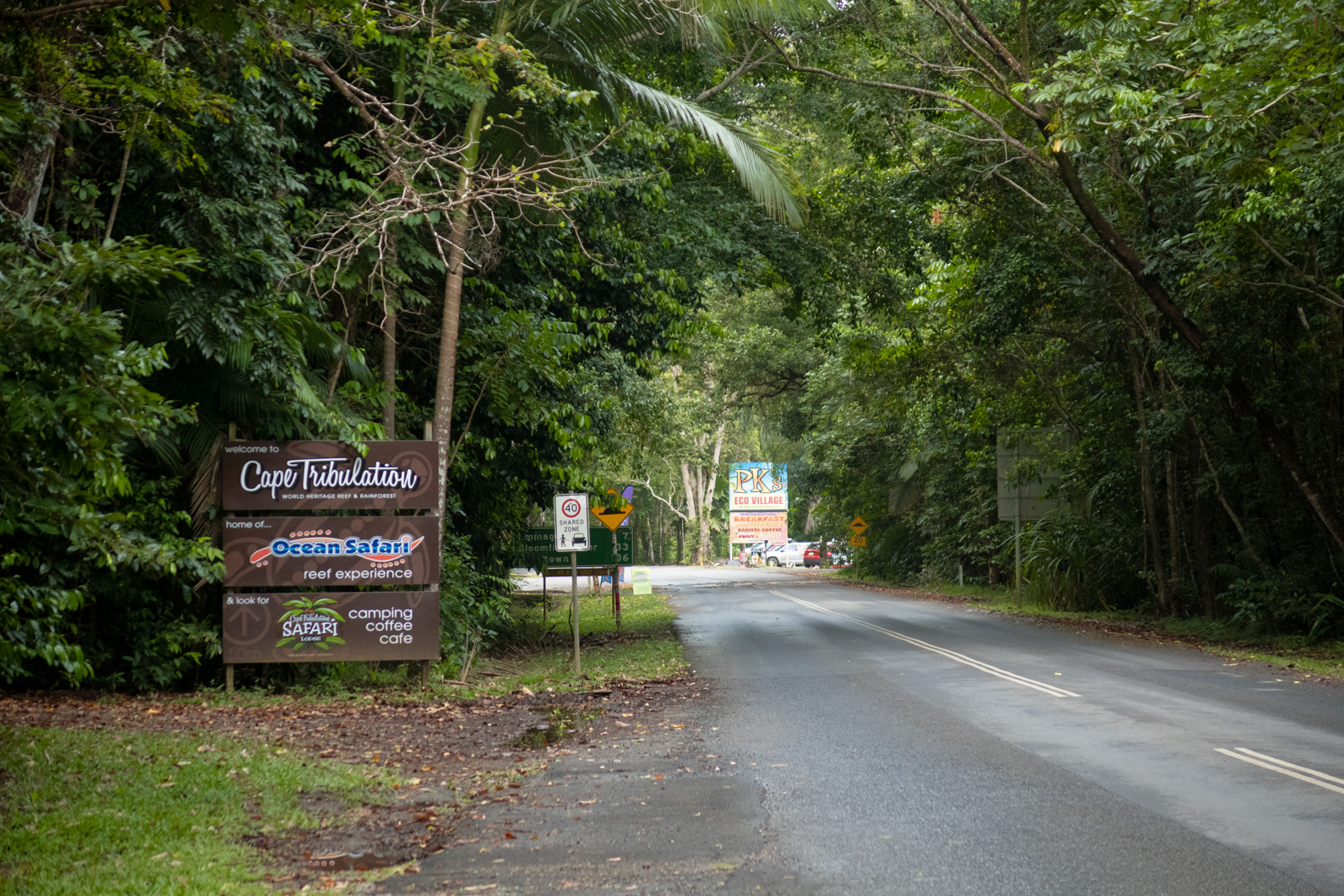
When I say main strip… I mean, blink, and you’ll miss it. Cape Tribulation is as remote as it gets, so there’s no ‘busy’ part, but if there was, this is it. The headquarters where Ocean Safari runs its tours also has a cafe and a large outdoor seating area. I noticed it was always pretty busy, so if you’re looking for a little buzz and a hearty brekkie or post-snorkel poki bowl – this is a great shout! There’s also a little supermarket opposite, so you can stock up on supplies!
Snorkel the Great Barrier Reef
Cape Tribulation is one of the few places where you can step off the sand and straight onto a boat to the outer reef in minutes. The Great Barrier Reef is up there on most peoples Australia bucket list and Cape Tribulation is such a great place to tick it off.
Most will opt to do a day trip from Cairns but you’ll find most of the cost of those trips is in the fuel and time it takes to come up this way. From Cape Tribulation the journey to the reef is minimal and you get much more time out there snorkelling and exploring.
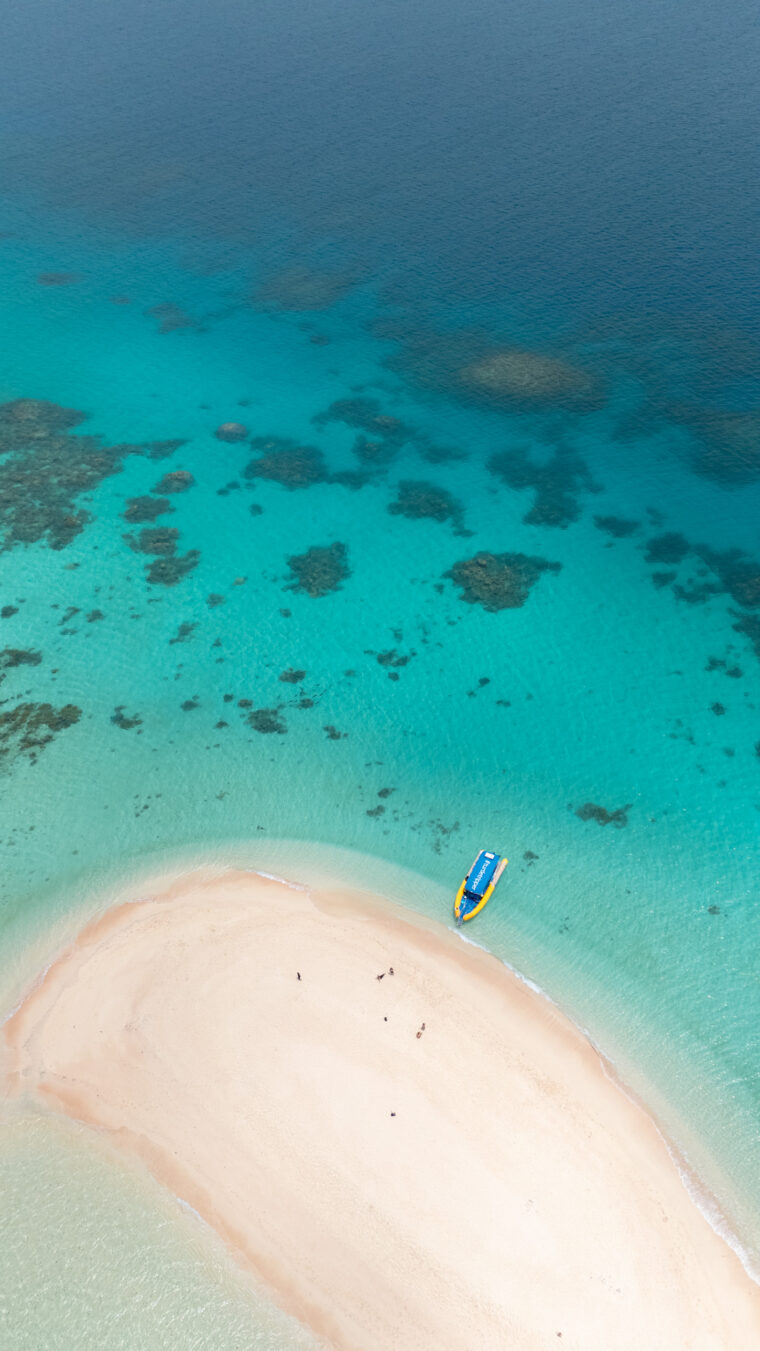
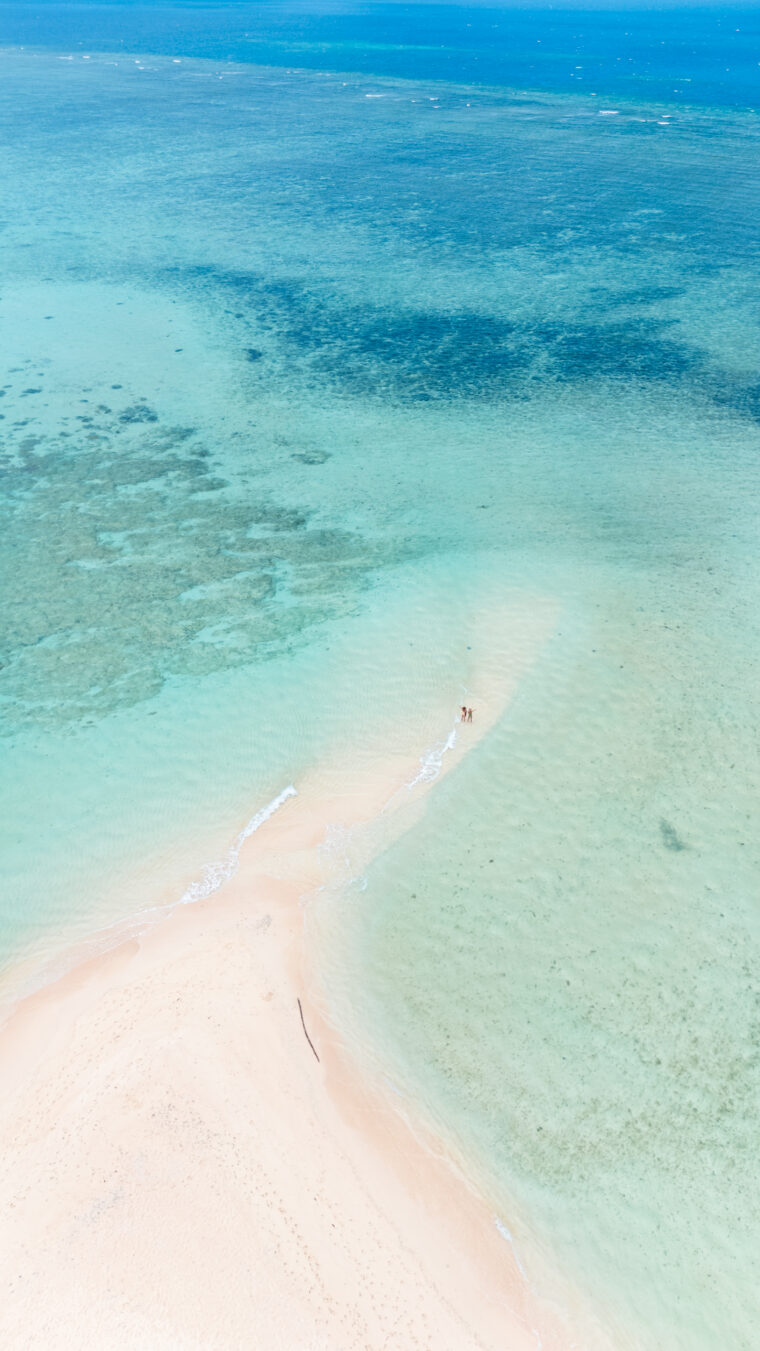
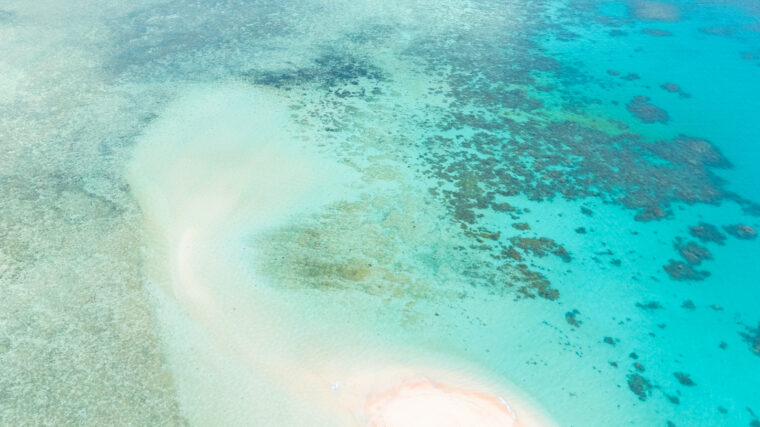
There is one main operator up here that runs tours – Ocean Safari, based at Safari Lodge. You can choose from a morning or afternoon session and tey will take you to reefs off Cape Tribulation (like Mackay Reef) to snorkel with turtles, reef fish, clams and colourful corals. The boat ride was around 25 minutes – we were dropped off at two separate snorkel spots and we also has some time to enjoy the sand bar below! Such an epic day.
Taste the exotic fruit Daintree Ice Cream
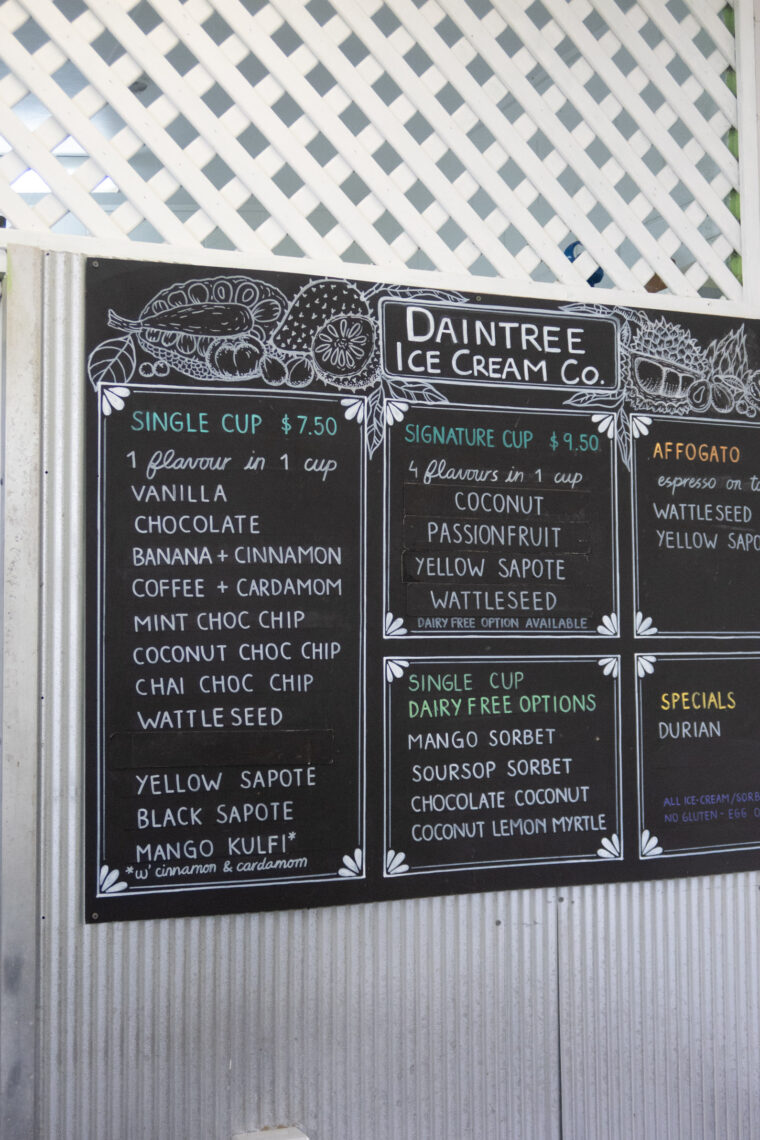
The Daintree Ice Cream Company makes ice cream from tropical fruit grown on its own orchard and flavours change daily depending on what’s in season, so you never know what you’ll get.
Park up, choose your flavour (or the signature cup which has 4 to try) and claim a bench in the gardens. A lovely option after one of the walks to take a moment and recharge with some local sweetness.
If you’re a foodie and love your tropical fruits, there’s also a fruit-tasting tour at Cape Trib Farm near Myall Beach.

Cruise the Daintree River for crocodiles
Before or after crossing the ferry and making your way up to Cape Tribulation, be sure to take a guided cruise on the Daintree River. As much as there is a lot of talk about crocs in North Queensland, if you abide by the rules (see earlier in the post) it’s unlikely you’ll encounter one (yay). However learning about them and spotting them from a safe distance is a really cool experience.
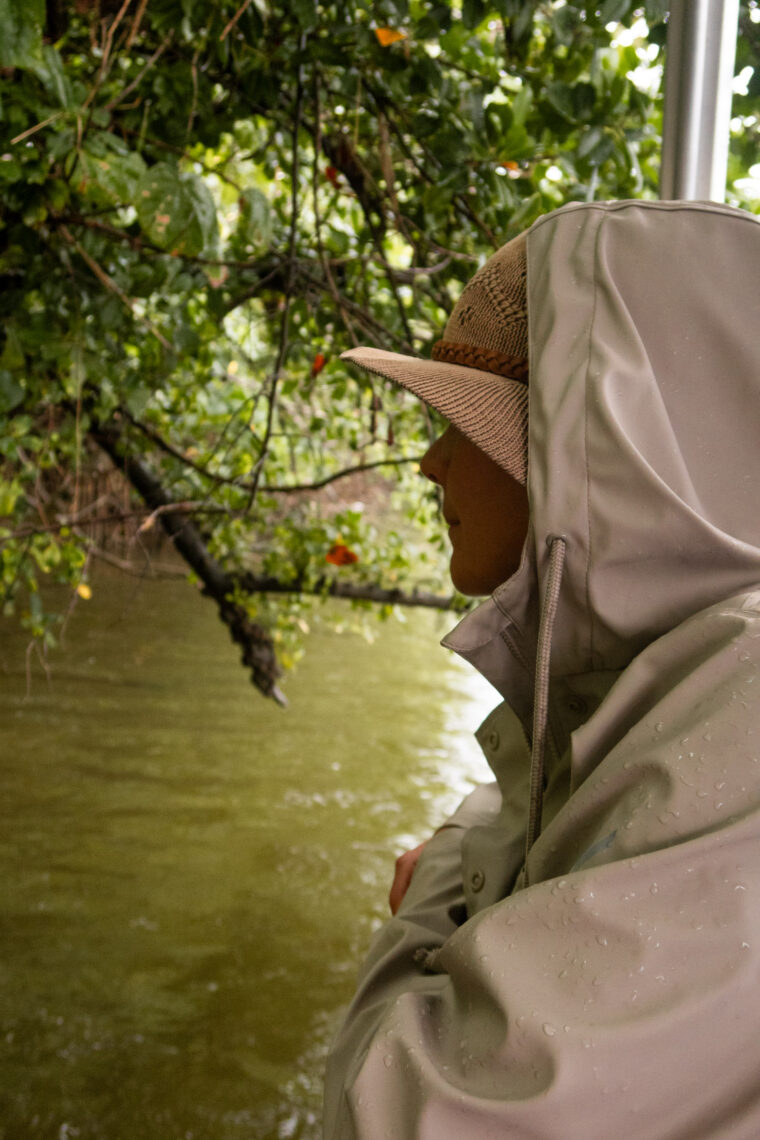
We went with Solar Whisper, whose quiet electric boat lets you glide up close to the wildlife without disturbing them. The guides are all on walkie-talkies to tell each other where the crocs are, so if one’s around, you’ll see it. Keep an eye out for Scarface, the river’s resident large saltwater croc.
Here are some fun facts and tips we learnt on board!
- Timing matters. Saltwater crocs are cold-blooded and need to warm up. They like around 30°C, so in winter, when the water drops to about 24°C, they bask on the banks and are easier to spot. In October, the water is already about 30°C, so they’re usually under the water.
- They’re nocturnal. Crocs are most active at night, which is another reason to stay well back from the water after dark.
- No feeding, ever. It’s illegal to feed saltwater crocs in Queensland, so they don’t learn to associate boats with food.
- Stay back. Keep at least 5 m from the water’s edge anywhere in croc country.
- A comeback story. Saltwater crocs were nearly extinct by 1974, when hunting stopped. After 52 years of protection, numbers are recovering, but guides told us they’re only back to around 20 to 30% of the original population.
- Ecosystem heroes. As the apex predator, crocs help keep the whole river ecosystem in balance.
It’s the perfect bookend to visiting Cape Tribulation. Book a Solar Whisper eco tour
Quick tips for visiting Cape Tribulation
- Stay at least one night. The ferry crossing and drive take time, and mornings are magic once the day-trippers have gone.
- Be croc wise. Never swim in the ocean, creeks or rivers unless a spot is known to be safe, and keep well back from the water’s edge.
- Fill up before the ferry. Fuel, groceries and phone signal are limited north of the Daintree River.
- Pack for the rainforest. Bring insect repellent, a rain jacket, grippy shoes, a refillable water bottle and reef-safe sunscreen.
- Drive slowly. Watch for cassowaries on the road, especially at dawn and dusk.
- Respect Country. This is Eastern Kuku Yalanji land. Stay on marked tracks and leave everything as you found it.
Cape Tribulation is one of those rare places that still feels truly wild. Where else can you hike through ancient rainforest in the morning and snorkel the Great Barrier Reef in the afternoon? Pack your sense of adventure, cross that ferry and start planning your trip to Cape Tribulation today!! You won’t regret it!!
Have you been to Cape Tribulation?
What are the best things to do in Cape Tribulation? Anything you’d add to this Cape Tribulation bucket list?
Mollie Bylett
Australia Google Map
Get lifetime access to my endless hours of research and time spent on the ground finding the best places to eat, drink, relax and explore in Australia. You simply open the Google Map on your device and ALL my recommendations (over 400 pins) are at the touch of your fingertips.