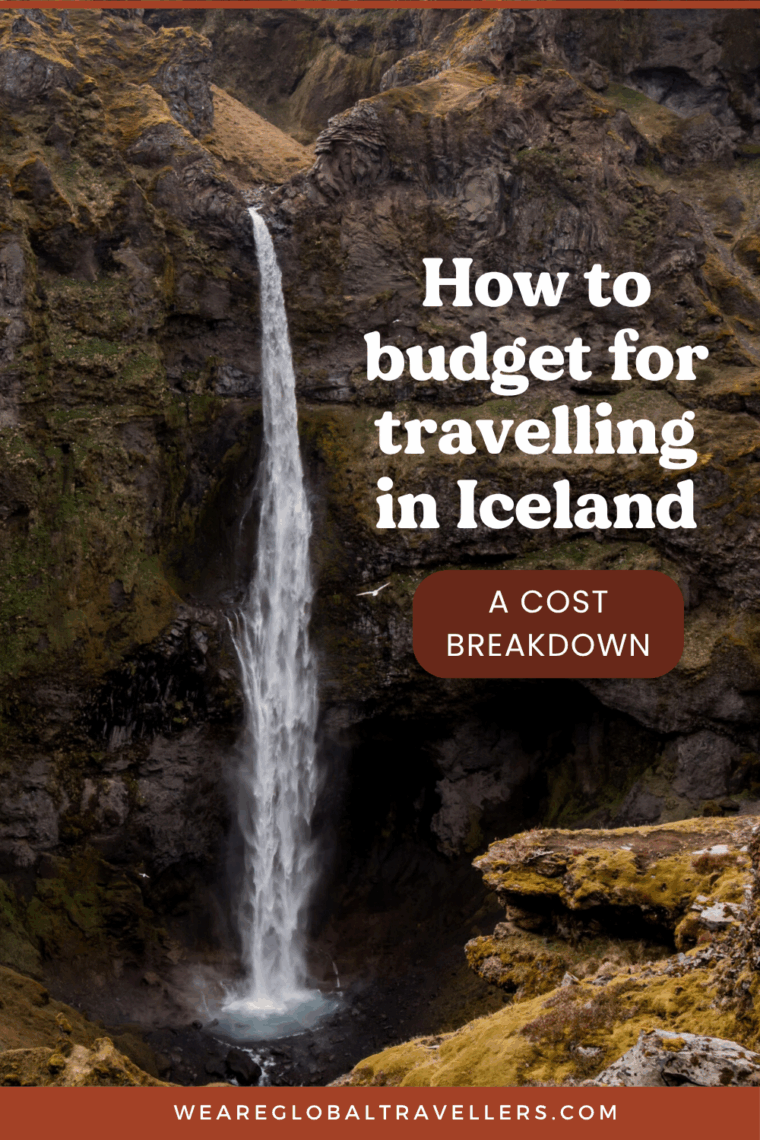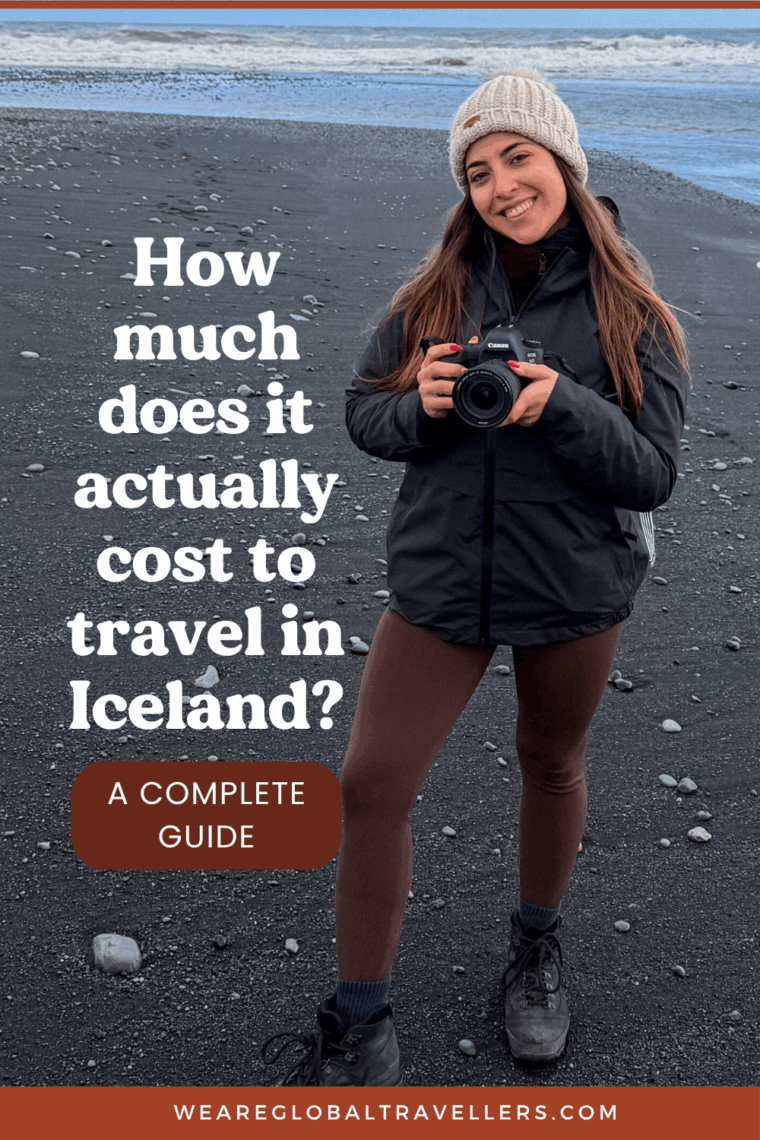
How to budget for travelling in Iceland: A real cost breakdown
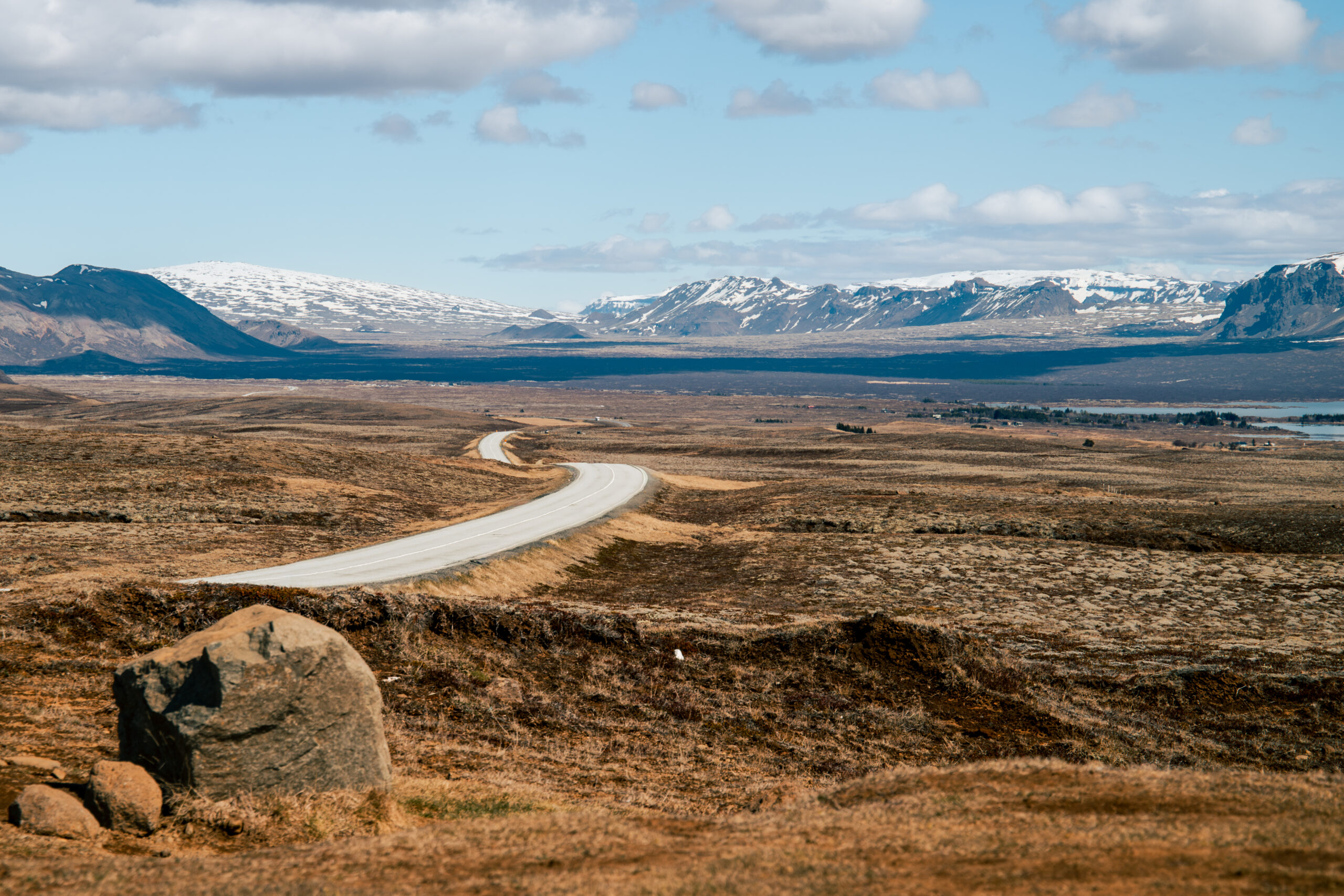
Iceland is a dream, bucket-list destination in Europe for nature lovers, photographers, hikers, and road-trippers. It’s a small island nation in the North Atlantic, sandwiched between two tectonic plates that are slowly pulling apart, resulting in a country full of natural wonders.
However, much of what makes Iceland a bucket-list destination also makes it an expensive place to visit, so an Iceland budget can feel daunting to plan for. Being an island, it relies heavily on imported goods, which pushes up the price of everyday essentials. Labour costs and taxes are also high, which has a ripple effect on tourists.
The good news is that with a bit of strategic planning, sticking to an Iceland budget doesn’t have to break the bank or stop you from visiting. In this guide, I’ll share the costs of my week-long summer road trip in Iceland, plus the Iceland budget hacks I used to keep things frugal.
How to budget for travelling in Iceland: A real cost breakdown
What you need to spend before flying to Iceland
To give you an idea of what you’ll need to pay in advance of your Iceland trip, below are some prices based on my own research and experience. Costs fluctuate seasonally and year to year, so do your own research once you know exactly when you’ll travel.
Visas
Check in advance whether you need to apply for or pay for a visa. British citizens do not currently need one, but an ETIAS travel authorisation is expected to be required in the near future.
Return flights
To travel from London to Reykjavík during the summer, you’re looking at spending £250–£420 or more on flights. Shoulder season (April – May and September – October) is a little kinder to your wallet, ranging from roughly £130–£300 return.
You’ll find better deals off-peak, from November to March, when flights can be as low as £75 – £160 (this doesn’t include the holidays, when prices tend to soar). Regardless of when you fly, budget an extra £40 – £80 to add a cabin or checked bag.
Iceland car rentals and associated costs
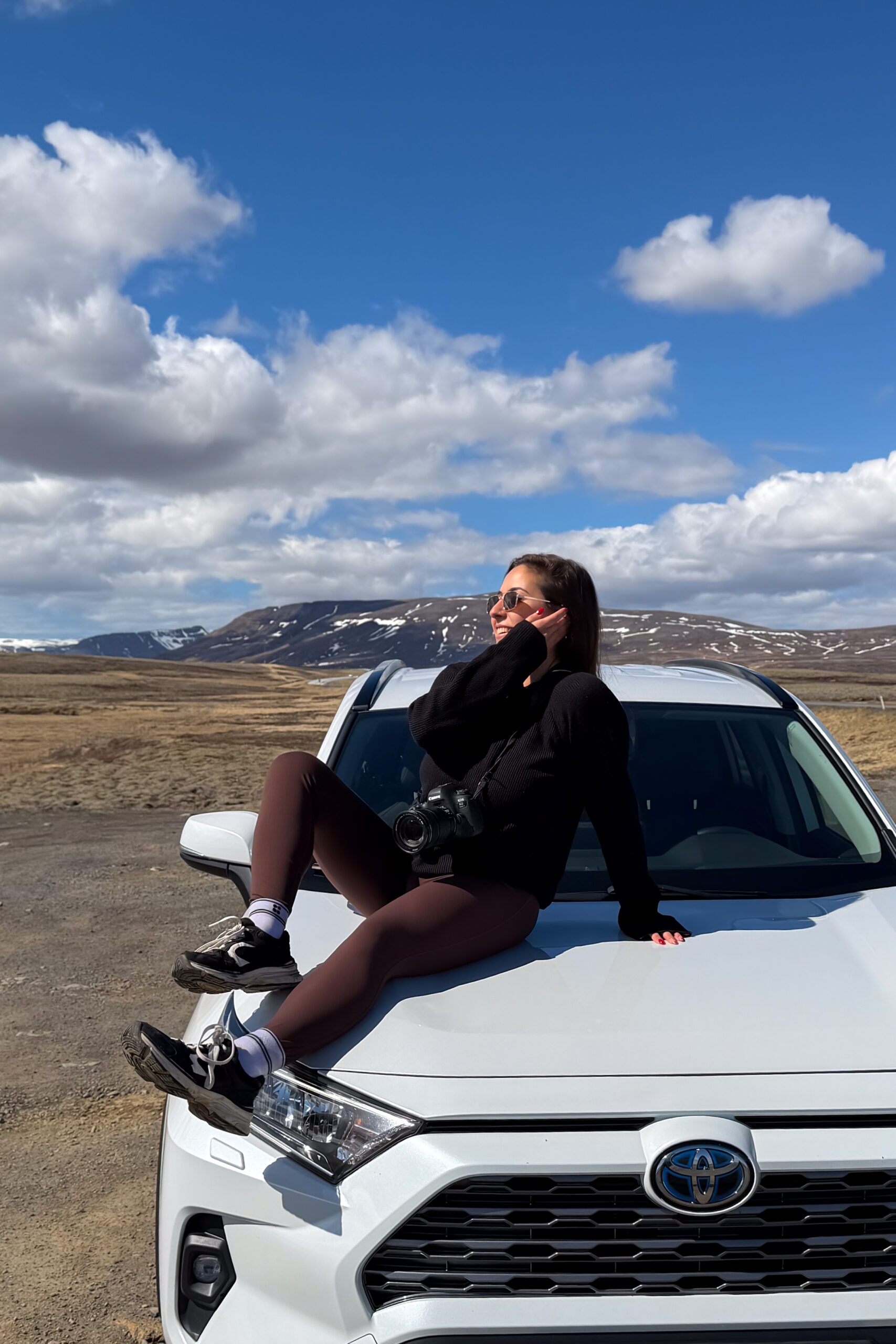
We followed other travellers’ advice and hired a 4WD with premium insurance to accommodate fluctuating weather and unpredictable road conditions. This cost around £850 for a week (by comparison, a small 2WD hatchback is roughly £300–£400 per week in summer).
A full tank of petrol is ~£60–70 (10,000–11,500 ISK), and parking at most natural sites ranges from £4.50 to £6 (750–1000 ISK).
In 2026, rental companies will typically charge a daily fee (~£8) for the 2026 road tax, which is approximately £0.04 (6.95 ISK) per kilometre.
- If renting a car or campervan is right up your street, check out our 5-day Iceland Road Trip Itinerary to plan the perfect road trip.
When you arrive in Iceland…
Where to stay in Iceland and how much you’ll pay
Accommodation prices vary based on location, time of year, and where your personal preferences sit on a scale from rustic to luxury.
The ultimate money saver for a summer road trip is camping. Campsites usually charge per person rather than per vehicle/tent, typically £10 to £20 (1,800–3,500 ISK) per person, per night.
A campervan rolls your transport and accommodation expenses into one – check out the Camping Card and Mollie’s Iceland guide to plan and book your camping trip.
Hostels and guesthouses can range from £35 to £150/night, depending on factors like dorm vs private room, en suite vs shared bathroom, etc. Standard double rooms in hotels along the Ring Road cost around £160 to £300+/night.
Booking.com and Airbnb are my go-tos for finding great room deals!
Saving money while on the road in Iceland
The good news is that while there are some unavoidably large expenditures involved in booking a trip to Iceland, most major sites are actually free to visit. National parks, waterfalls, glacier lagoons, lava fields, and viewpoints typically don’t charge for entry; you’ll just pay for parking.
I kept non-essential shopping to a minimum, spending around £60 on a handful of gifts. I buy a shot glass in every new place I travel to, and I got my Iceland one for £6 in the Geysir geothermal area’s gift shop, which is an average price for a tourist memento.
Budget tip:
If you plan to do any extreme sports, activities, or group trips, check prices in advance so you can factor them into your budget.
How to save money on food in Iceland
One of the most expensive parts of an Iceland trip is sustenance (the perils of being a sentient being). While trying local cuisines is an important part of travelling, it’s hard to find a restaurant meal in Iceland that isn’t extortionate. The best way to save money on your road trip is to shop smart and prepare food for yourself wherever you can.
We stopped at a Netto supermarket right by the airport, where we picked up the car and stocked up on groceries for the whole trip. Bónus is another great budget chain to check out.
The first shop cost around £65, which mostly covered us for the trip. Booking accommodation with kitchen access ensures that you can put proper meals together. Many of Iceland’s main tourist spots have cafes or food trucks, so we occasionally bought a snack or a bowl of soup to warm up when we needed something extra, but the key is to be prepared enough that eating out is the exception.
A few of my favourite money-saving food hacks while travelling:
- Bring snacks, tea and coffee from home to reduce what you need to buy when you’re there (a standard coffee in Iceland costs £4–6).
- Pack a large water bottle and a flask so that you’re not spending money each time you need to hydrate or caffeinate.
- Bring a freezer bag from home to keep food fresh throughout the day. If your accommodation has a freezer, pop a bottle of water in overnight to use as an ice block.
- Consider a small cooking kit, or even just cutlery, crockery, and containers (especially if you’re camping). This makes it easy to throw together makeshift meals on the go — and in summer, with daylight stretching until midnight, you can happily picnic at 10 pm.
Getting around Iceland on a budget
Iceland doesn’t have a developed nationwide public transport system, so getting around the country takes some planning. If you want to stay in a few different places, book accommodation according to your route to avoid extra travel time and fuel costs.
If your first stop is Reykjavík and you don’t have a car, a taxi from the airport can cost £90–£150 (15-25,000 ISK). The Flybus does the same run for ~£24 one-way; I paid £57 for a return trip that included hotel drop-offs. It’s recommended to book your tickets in advance, and don’t worry about delays, as departure times are based on updated flight arrivals.
If you’re considering basing yourself in Reykjavík and taking day trips, compare prices against car hire. Depending on your route, it might make sense to rent a car for a few days to visit more rural places, then book budget-friendly trips to other popular sites through local guides (or even your accommodation).
Empty that piggy bank and get booking!
There’s no avoiding the fact that Iceland is expensive. But it’s expensive for a reason, and it’s worth every penny you save for it. It certainly helps that the jaw-dropping scenery you’re constantly surrounded by doesn’t charge admission; it’s simply there to be admired.
If you need an excuse to book that trip you’ve been dreaming of, save it for a special occasion. Not only does this justify the expense (traveller math), but it’ll make it even more memorable. I went just after my birthday and decided it was my gift to myself — and a gift it truly was.
Have you been to Iceland?
What were the things you thought were most expensive in Iceland? Anything you’d add to this Iceland budget tips list?
Talia Goldman
You can follow Talia’s adventures on Instagram @travel.with.tals