Iceland Summer Road Trip: The Ultimate 7-Day South Coast Itinerary
When I think of Iceland, the first word that pops into my mind is “otherworldly.” It’s how Mollie described it when writing to wish me well on my travels. It was the first adjective my friend used the day we arrived on our Iceland summer road trip and found ourselves driving through some of the most breathtaking landscapes we’d ever seen.
People talk about Iceland this way because it truly makes you feel like you’ve been transported to another planet. There’s incredible geological diversity; think glacier lagoons glowing blue, waterfalls around every bend, midnight golden hours, and moss-covered lava fields as far as the eye can see.
This guide will take you through the ultimate Iceland summer road trip itinerary in the land of fire and ice.
Travelling to and around Iceland
The airport transfer of dreams. Most international flights land at Keflavík Airport, around 45 minutes from Reykjavík. Unless you have a car, the best way into the city is the Flybus.
It was one of the most intuitive and well-organised airport transfers I’ve used, running between the airport and Reykjavík’s BSÍ Bus Terminal. From there, you can hop on a shuttle straight to your accommodation. The bus and shuttle schedules are fully coordinated and work around updated flight arrival times. The easiest start to our Iceland summer road trip!
A one-way ticket costs around £24 for adults; I paid £57 for a return ticket that included hotel transfers both ways.
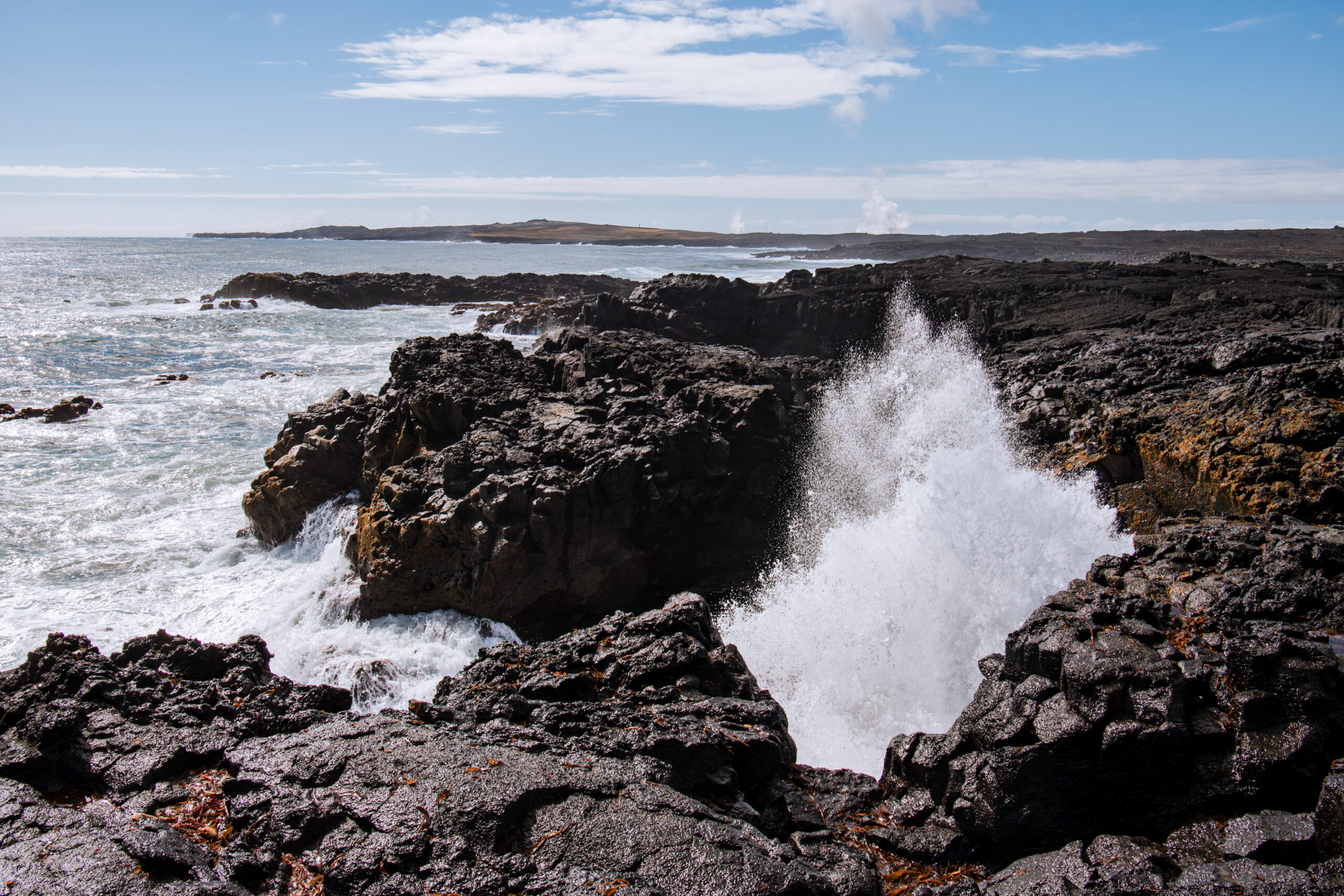
The best way to get around Iceland
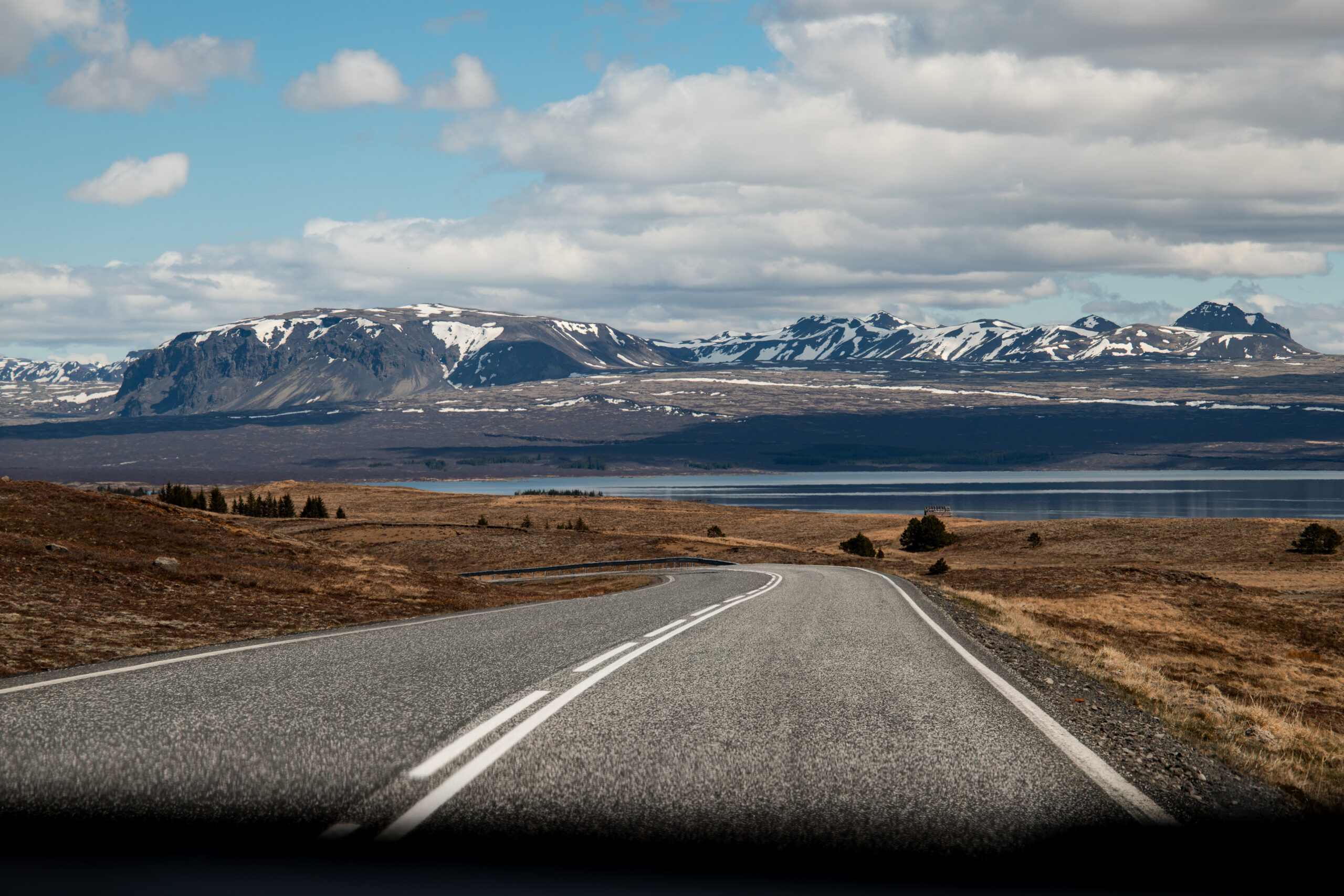
If you can, I recommend renting a car so you can explore on your own terms. We loved having the freedom to pivot plans, make spontaneous detours, and pack everything we needed for long days and fluctuating weather conditions (many backseat outfit changes happened along the way).
Campervans are also a brilliant option for a summer road trip in Iceland. There are campsites all over the island, where you get to wake up immersed in some of the most beautiful scenery you’ll ever see.
A few tips for choosing your road trip vehicle:
- Get a 4WD and the most comprehensive insurance you can. Road and weather conditions can change fast; premium coverage is worth the peace of mind.
- Never let your petrol drop below half a tank. One of my favourite things about Iceland is that you can drive for miles, fully immersed in nature. However, this also means you may go hours without passing a petrol station. FYI: a full tank cost us around £60–70.
- Respect the speed limits. Having a car with cruise control helped us avoid speeding fines and focus on enjoying the journeys.
- Open doors cautiously. Icelandic wind is infamous for ripping car doors off their hinges. On windy days, it’s best to open them with two hands.
- Mollie’s 5-day Iceland road trip guide is a great place to start if that’s calling to you.
- There are tons of day trips you can take if you prefer to base yourself in Reykjavík – explore some of the best things to do in Iceland
A note on parking
Most of Iceland’s natural attractions are free to enter, but charge for parking. It usually costs around 750–1000 ISK (£4.50–6) per site, so think of that as your entry fee. One payment in a region or national park usually covers you for the whole day.
Download an app like Parka, which either logs your location automatically or prompts you to enter the location number or scan the QR code on nearby signs.
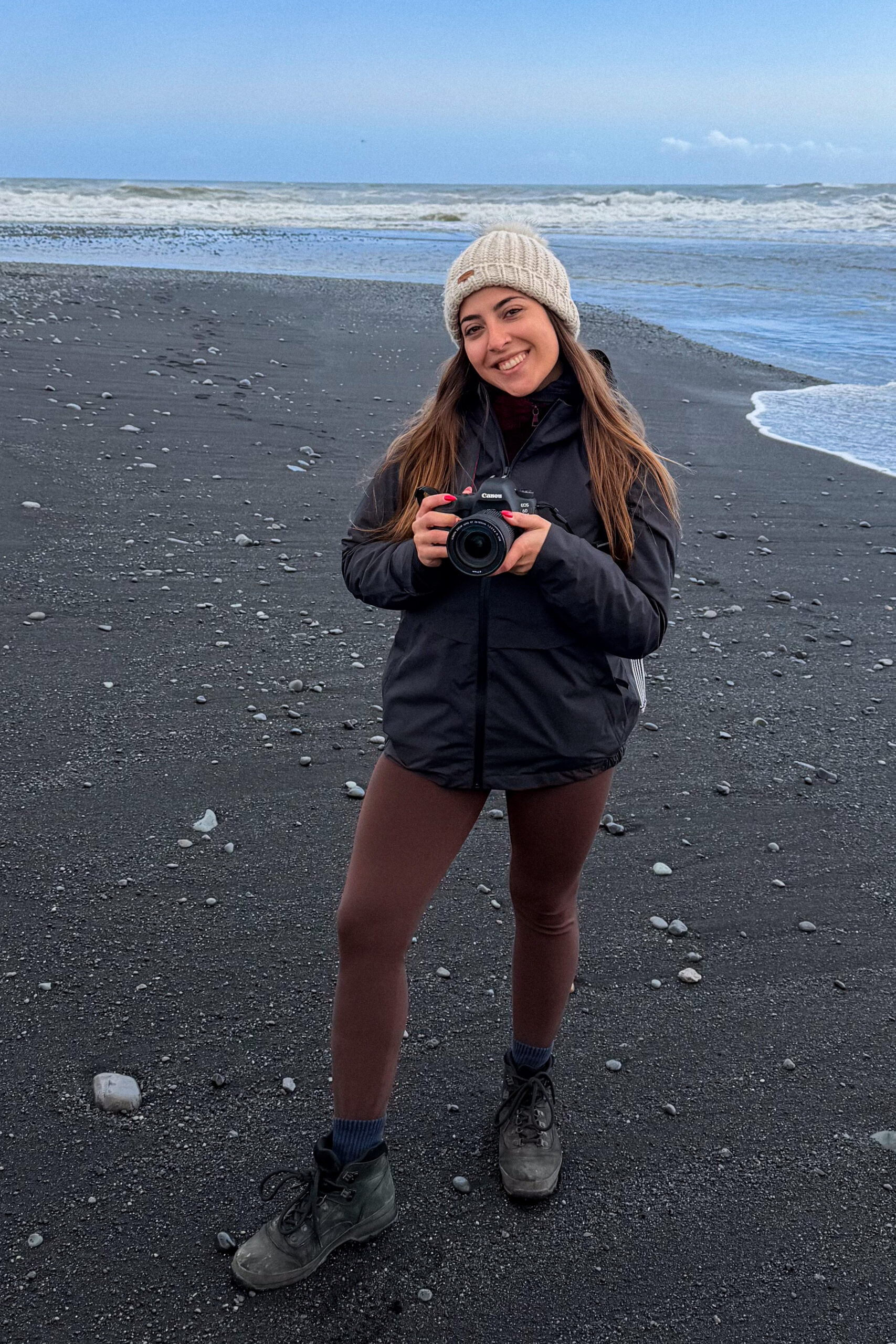
The best areas to stay along Iceland’s south coast
Outside of Reykjavík, there aren’t many big towns. The best places to stay are Selfoss, Hella, Vík, Kirkjubæjarklaustur, and Höfn. If you’re driving, plan your route first and then check Booking.com or Airbnb for accommodation that suits your plans. We based ourselves in Hella and Kirkjubæjarklaustur.
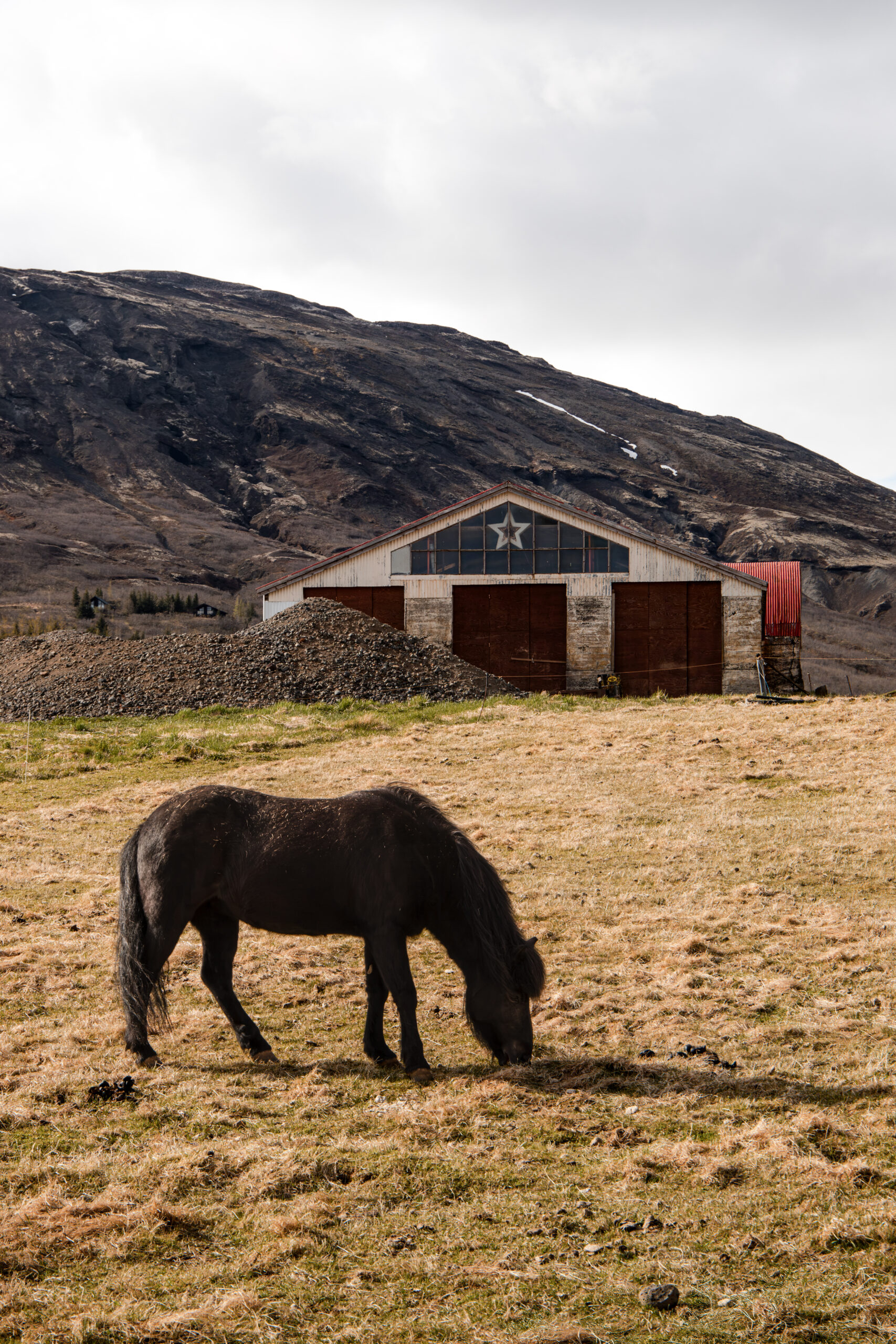
Our home in Hella: Askot Cottages, a cosy farm with horses grazing right outside your window. We even got to see one give birth; truly a once-in-a-lifetime experience!
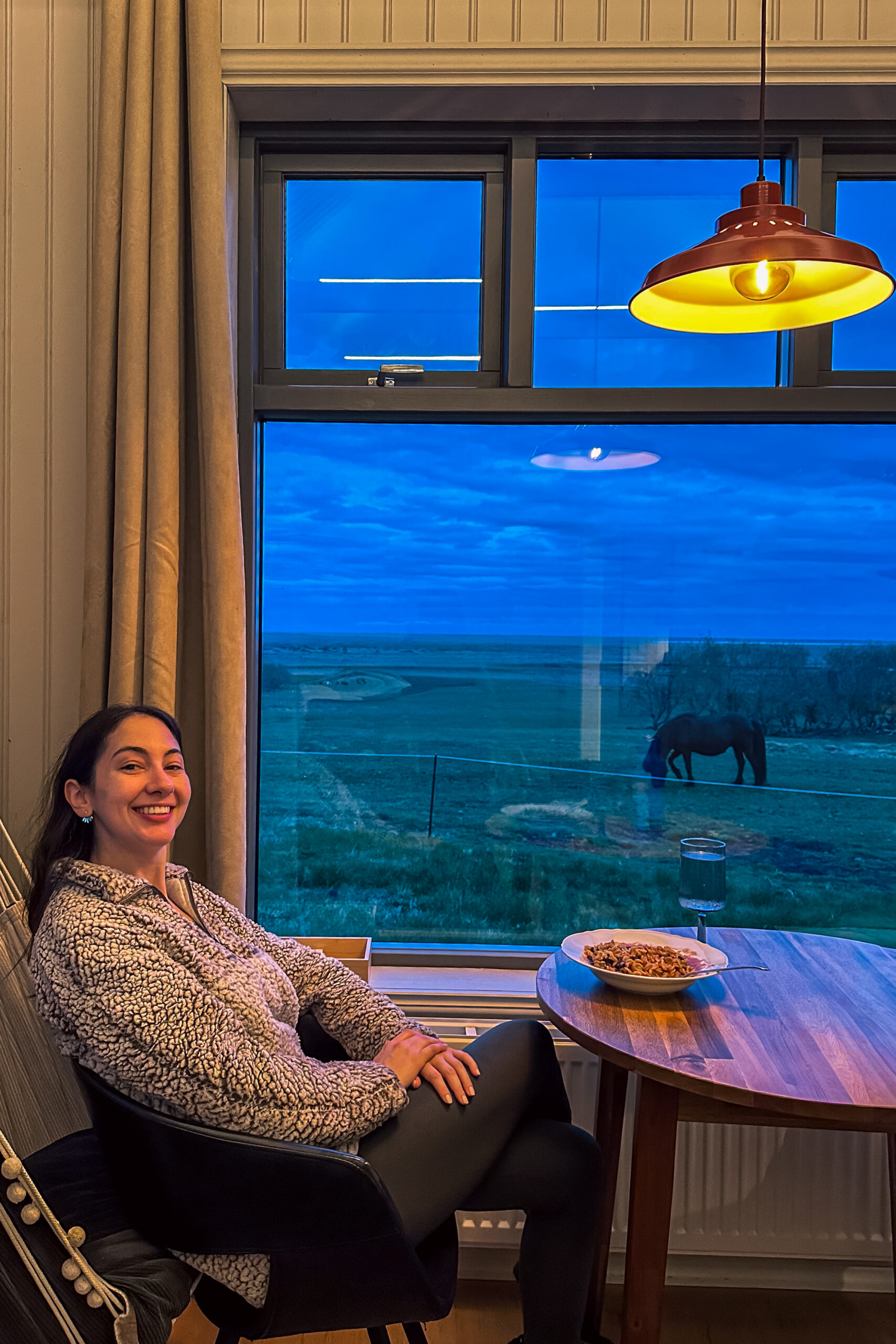
Our home in Kirkjubæjarklaustur: Magma Hotel, the cutest cabin rooms where you wake up to serene lake views, surrounded by greenery and birdlife. There’s also a lovely (albeit pricey) restaurant on-site.
When to visit Iceland
Most people know Iceland for the Northern Lights, which are typically visible from late August to mid-April. But travelling in summer offers a completely different kind of magic.
Between May and August, it barely gets dark; the sun sets around midnight and rises again a few hours later, maintaining a light dusk in between. It can be disorienting at first, but it means you can pack far more into one day than in other destinations.
Suitcase essentials for your summer trip
Icelandic weather is famously changeable, so come prepared with warm, light clothes, a hat, scarf, and gloves. Check up-to-date conditions in advance:
An eye mask is a good idea for those daylight-filled nights. If you’re planning to hike, sturdy shoes are a must. Pack waterproof layers, a backpack cover, and fellow photographers; invest in a lens cloth and a waterproof camera shield.
For dining on the road bring:
- water bottle
- coffee flask
- picnic utensils
- snacks
- tissues
- hand sanitiser
Your one-week itinerary for the dream Icelandic summer
Day 1: Land, unwind, and stroll through Reykjavík’s multicoloured streets
Reykjavík, the world’s northernmost capital, is small, charming, and fully walkable. The colourful murals make it feel like an open-air art gallery, especially the iconic Rainbow Street, a painted road that leads the eye straight up to Hallgrímskirkja. This striking church looks like something carved from a glacier – a homage to Iceland’s natural structures, which is exactly how state architect Gudjón Samúelsson designed it to feel.
Wander streets lined with energetic bars, local eateries, and quirky shops- the perfect soft landing before you hit the open roads.
Check out our best things to do in Iceland for some extra inspiration for planning your Iceland trip!
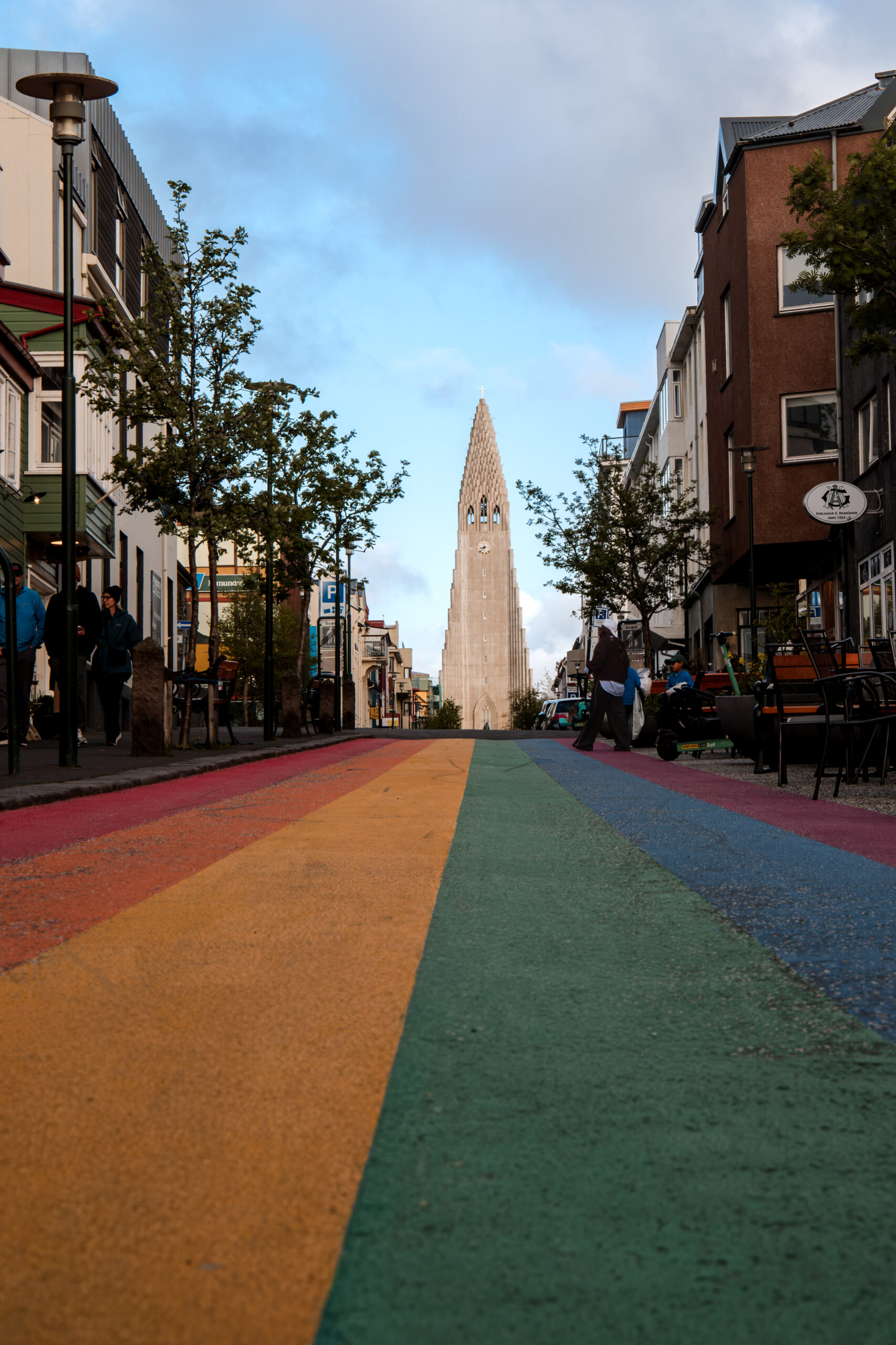
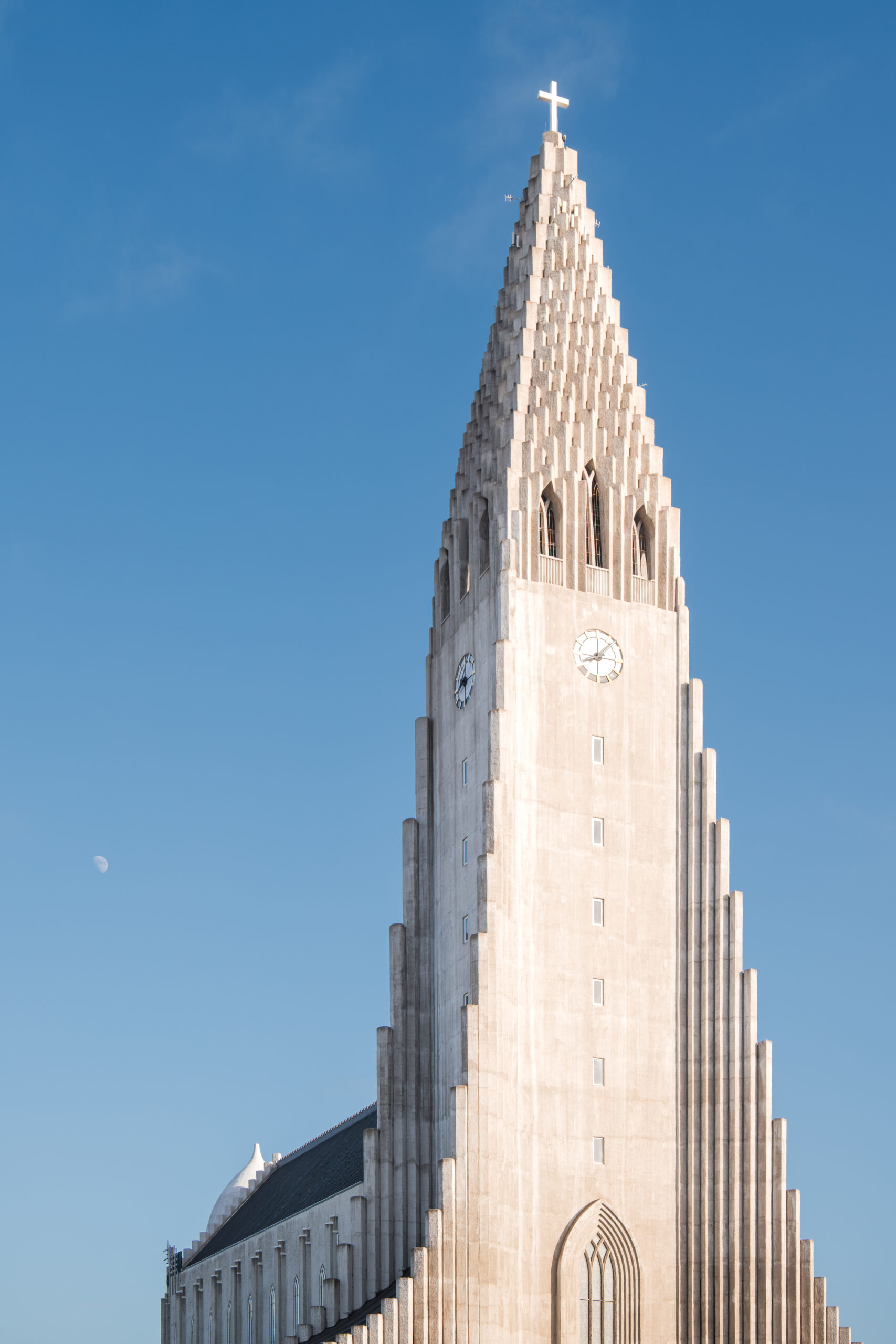
Day 2: Hvalfjördur fjord & the Glymur waterfall hike
Set off towards Hvalfjördur, a 19-mile-long fjord northwest of Reykjavík that takes you through some of Iceland’s most breathtaking scenery.
Stretch your legs on the Glymur waterfall trail. The full 4.5-mile loop is 3 to 4 hours long, winding through caves and canyons up to Iceland’s second-tallest waterfall, Glymur. It can get slippery and has an intense log-and-rope river crossing, so take extra caution. Pack a towel, a change of socks/clothes, and water-resistant shoes if you plan to cross. Alternatively, just hike down to the river and enjoy the views from there.
Depending on where you’re staying, taking the underwater tunnel avoids retracing your tracks back around the fjord. Pass the stunning Lake Thingvallavatn and look out for local wildlife on your way home.
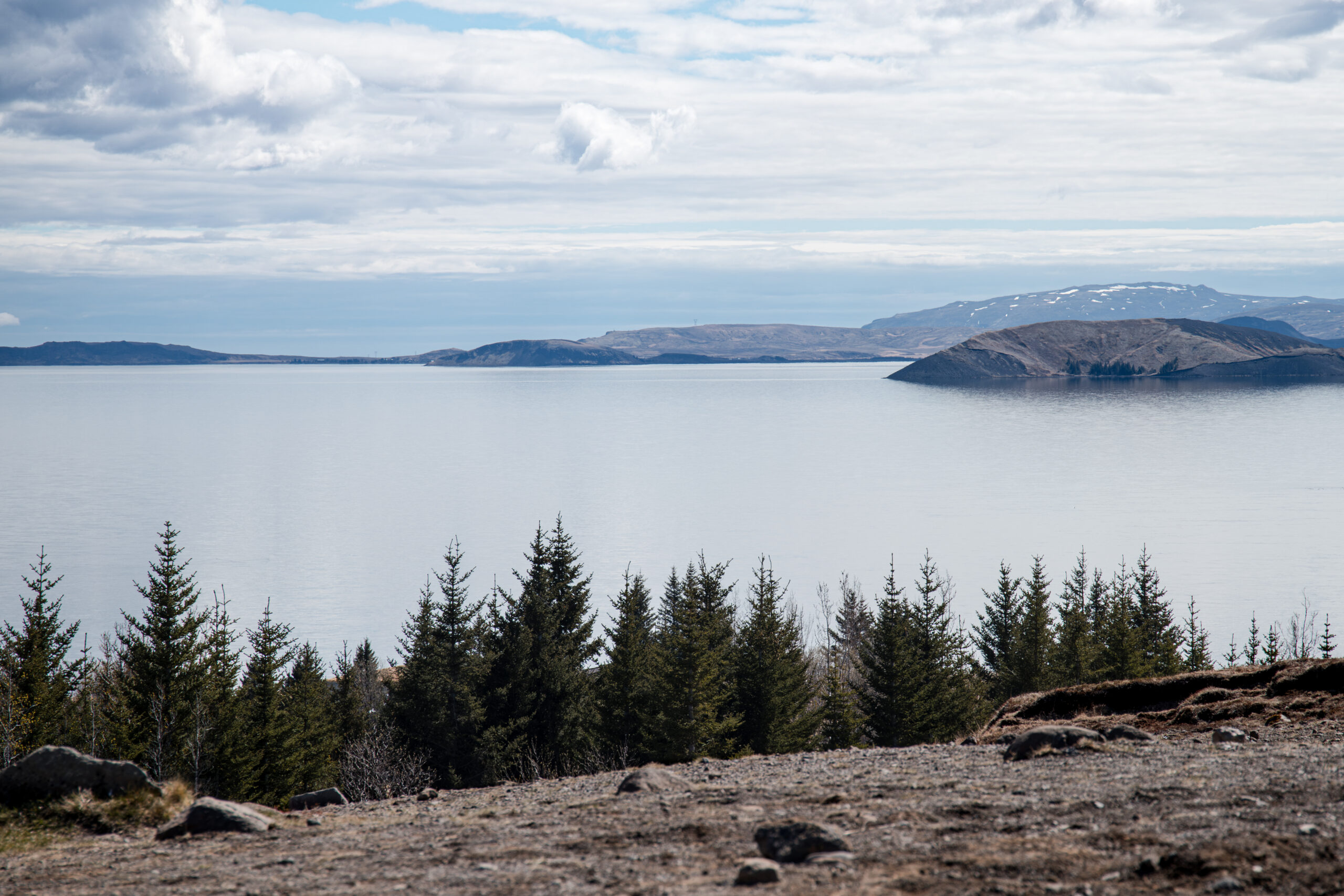
Days 3-4: Complete the famous Golden Circle
Iceland’s most famous route is a popular day trip from Reykjavík, but spacing it out over a couple of days gives you more time to enjoy each spot.
After being chased back to our car by some very inhospitable gnats at Leirvogsvatn, our first stop, the real adventure began at Thingvellir National Park. Park at P2 and follow the trail between tectonic plates to Öxarárfoss, a stunning waterfall flowing from the Öxará River and through the Almannagjá gorge over clusters of volcanic rock.
A few minutes from the next stop, Brúarfoss, we discovered Efstidalur Farm; the perfect refresher between aquatic attractions. Say hello to the animals and try delicious ice cream that’s made from the milk of the cows you’ll see grazing through the cafe window.
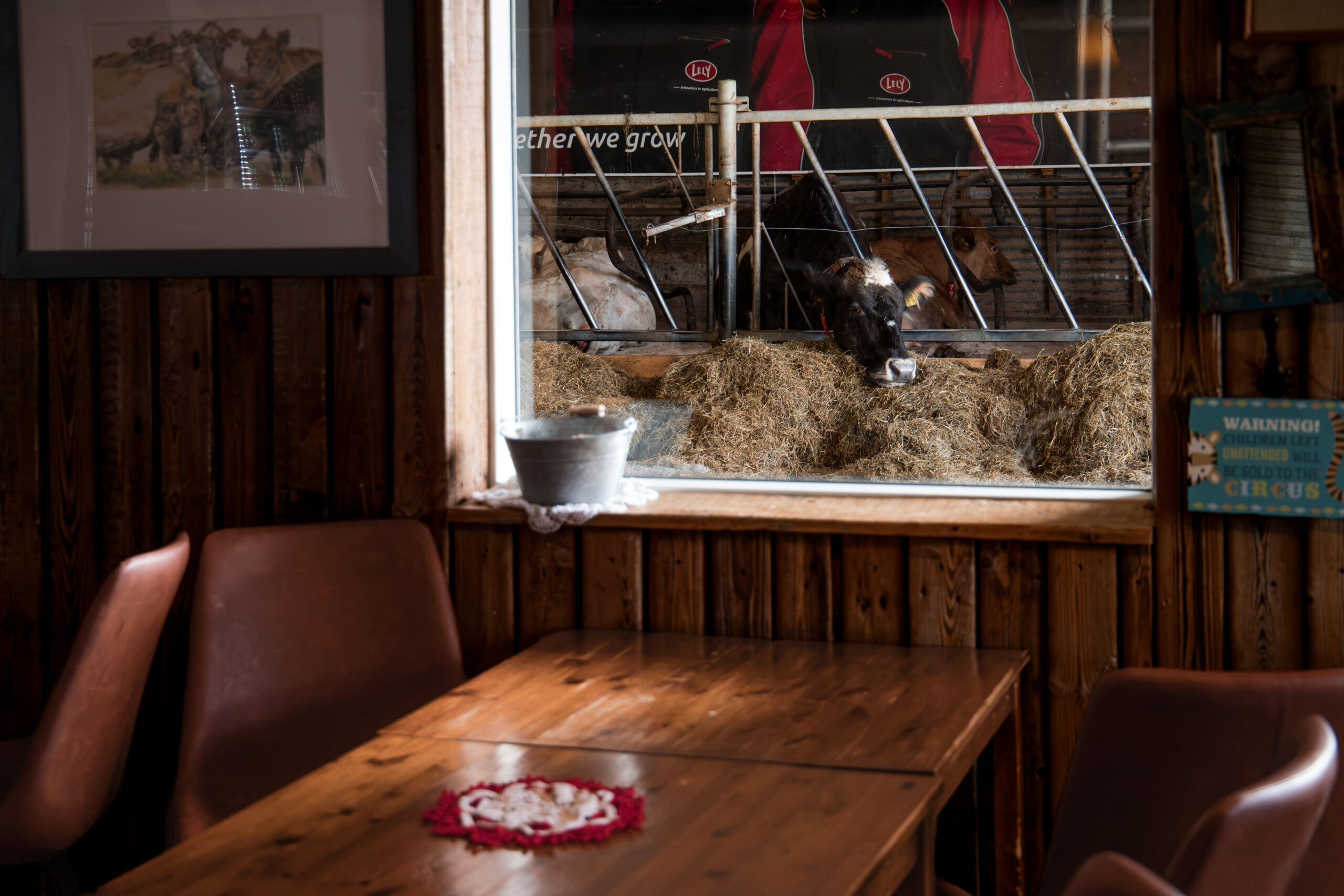
From Brúarfoss, head to the Geysir geothermal area. Stroll through steamy mud spots and watch the magnificent Strokkur erupt (every 5-10 minutes).
From there, it’s a short drive to Gullfoss – by far the most vast of all the Golden Circle waterfalls. As it thunders through the canyon, take in the panoramic views from up top, then move to the lower decks (be cautious of the chilly mist that picks up the closer you get).
Tourists often skip Faxafoss, but it’s worth a pit stop. Fun fact about this waterfall: its name literally means “Horse’s Mane,” because the water looks like a horse’s mane blowing in the wind.
Finish at Kerid, a stunning multicoloured volcanic crater estimated to be between 3-6,500 years old. The trail loops around the top, then down through red rock faces and green moss, right up close to the mesmerisingly calm lake.
Day 5: Chasing Seljalandsfoss, Skógafoss & all the south coast waterfalls
You may think you’ve had your waterfall fix by this point, but the first rule of Iceland is: there’s no such thing as too many waterfalls.
Start at Seljalandsfoss, where you can pass behind the water, then follow the trail through the caves to Gljúfrabúi (waterproofs are essential).
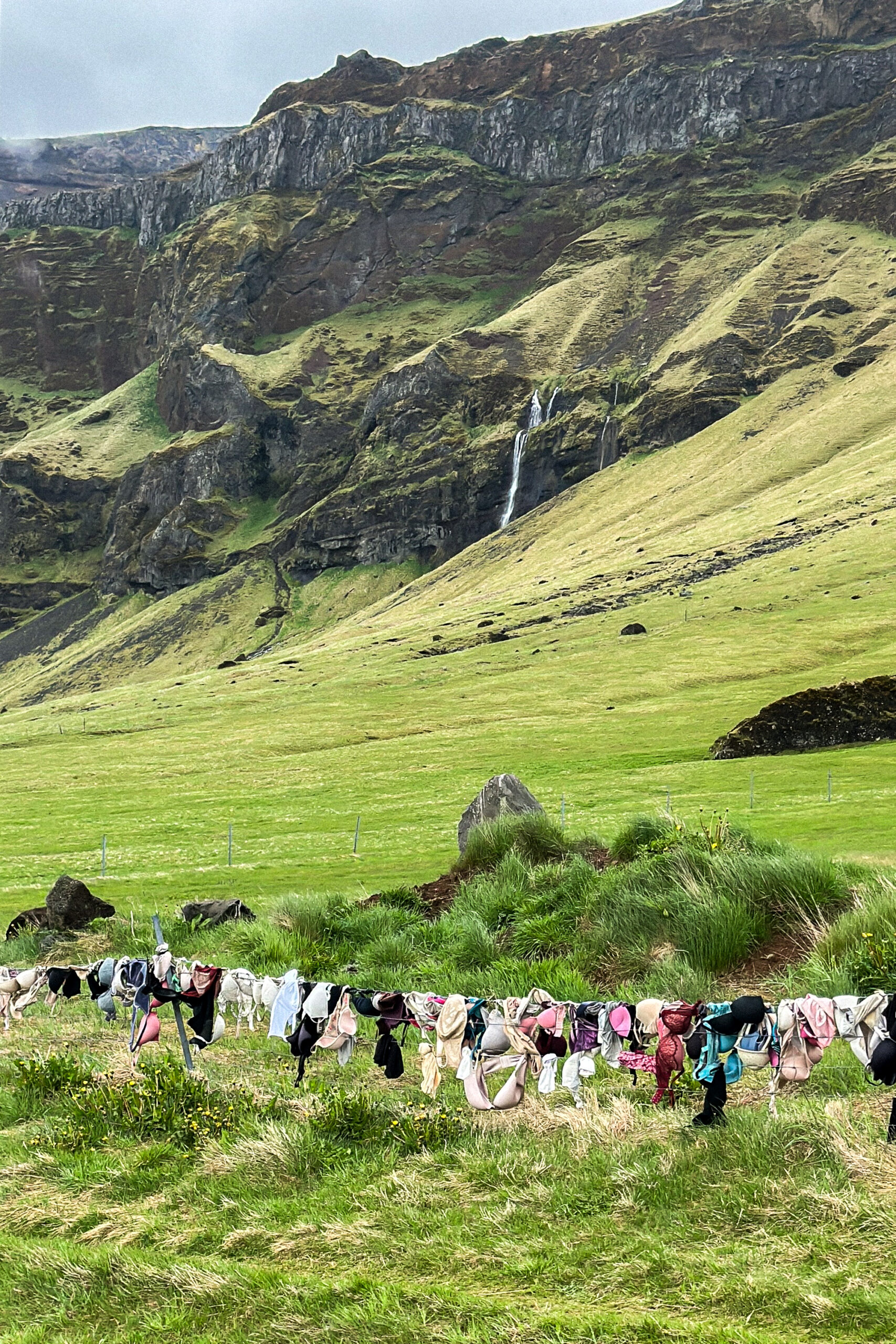
On your way to Skógafoss, look out for a bizarre roadside landmark outside Brekkukot farm. What started as a drunken prank circa 2012, where locals covered a fence in bras, somehow became a tradition. Passersby still contribute to this installation.
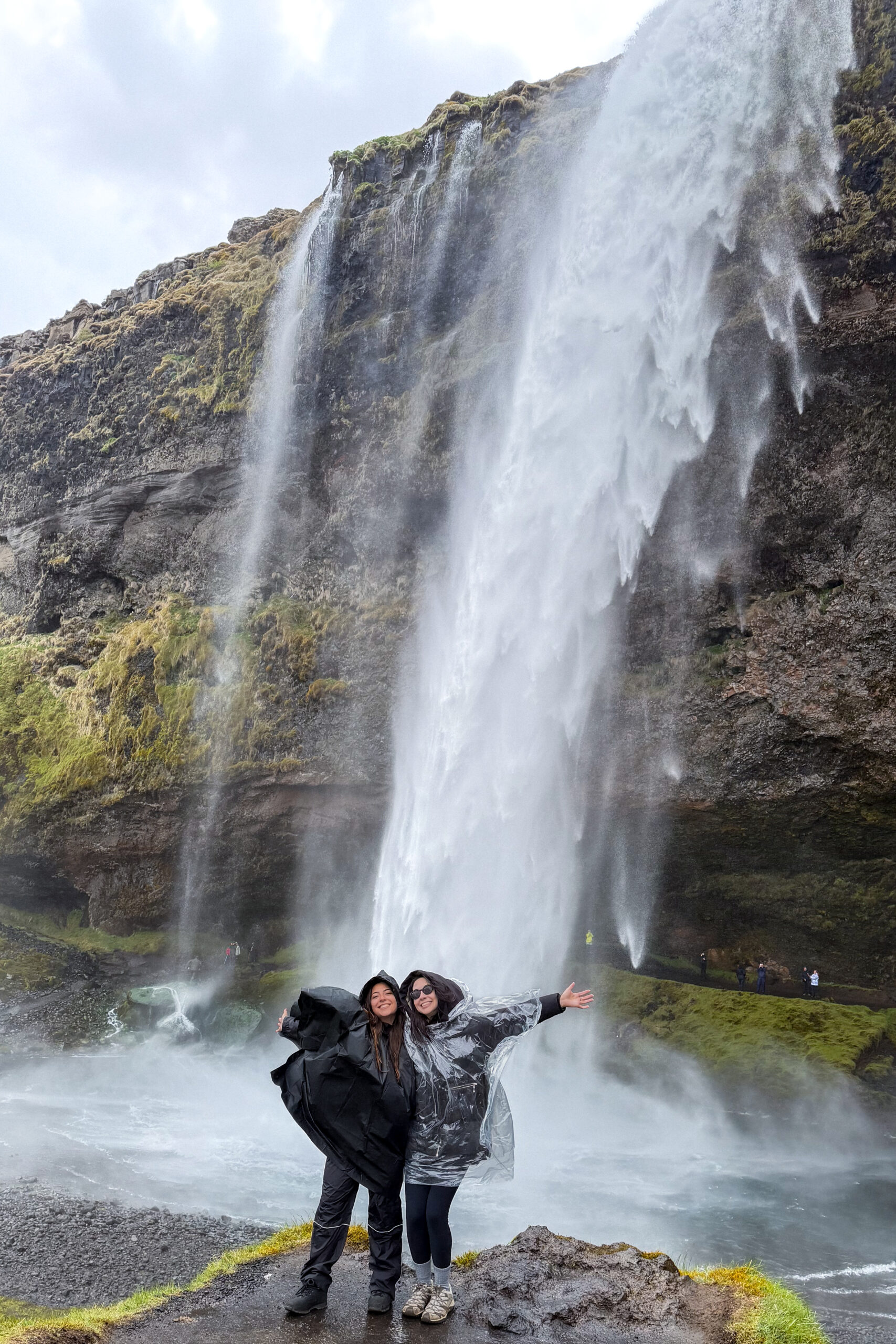
Skógafoss is a choose-your-own-adventure excursion. If you don’t feel like walking, simply admire the magnificent falls at their base. A steep 10–15-minute stair climb takes you to the top of the main waterfall. From there, a mountainous trail continues along the river for around 10 miles. It’s not a circular route, so turn back when you’re ready. We made it a little over halfway, which took around 2.5 hours.
Before getting back on the road, stop by Kvernufoss for a close-up waterfall view, tucked away in a gorge only a short drive away.
Continue toward Vík. Explore the black-sand beach at Reynisfjara and the cliffs around Reynisfjall for stunning views of the coastline from above. Although the weather kept us inside the car, driving through the misty mountains and down the winding roads felt like a scene from Wuthering Heights.
Day 6: Jökulsárlón & Fjallsárlón glacier lagoons
The views as you journey toward glacier country are an attraction themselves. Look out for the Skaftafell glacier flowing down from the Vatnajökull ice cap, Europe’s largest glacier.
Start your day on the Múlagljúfur canyon trail, which turned out to be one of my favourite hikes I’ve ever done. Impossibly green and dramatic, it feels like you’ve been teleported to Hawaii. The terrain transitions from rocky, moss-coated paths and stream crossings to steep, muddy ridges, so make sure you’re wearing proper boots.
Opt for a shorter, 2.5-mile trek to the main Hangandifoss viewpoint, or push through 1,440 feet of elevation gain on a 4-mile round-trip to the summit. The whole thing takes roughly 2-3 hours.
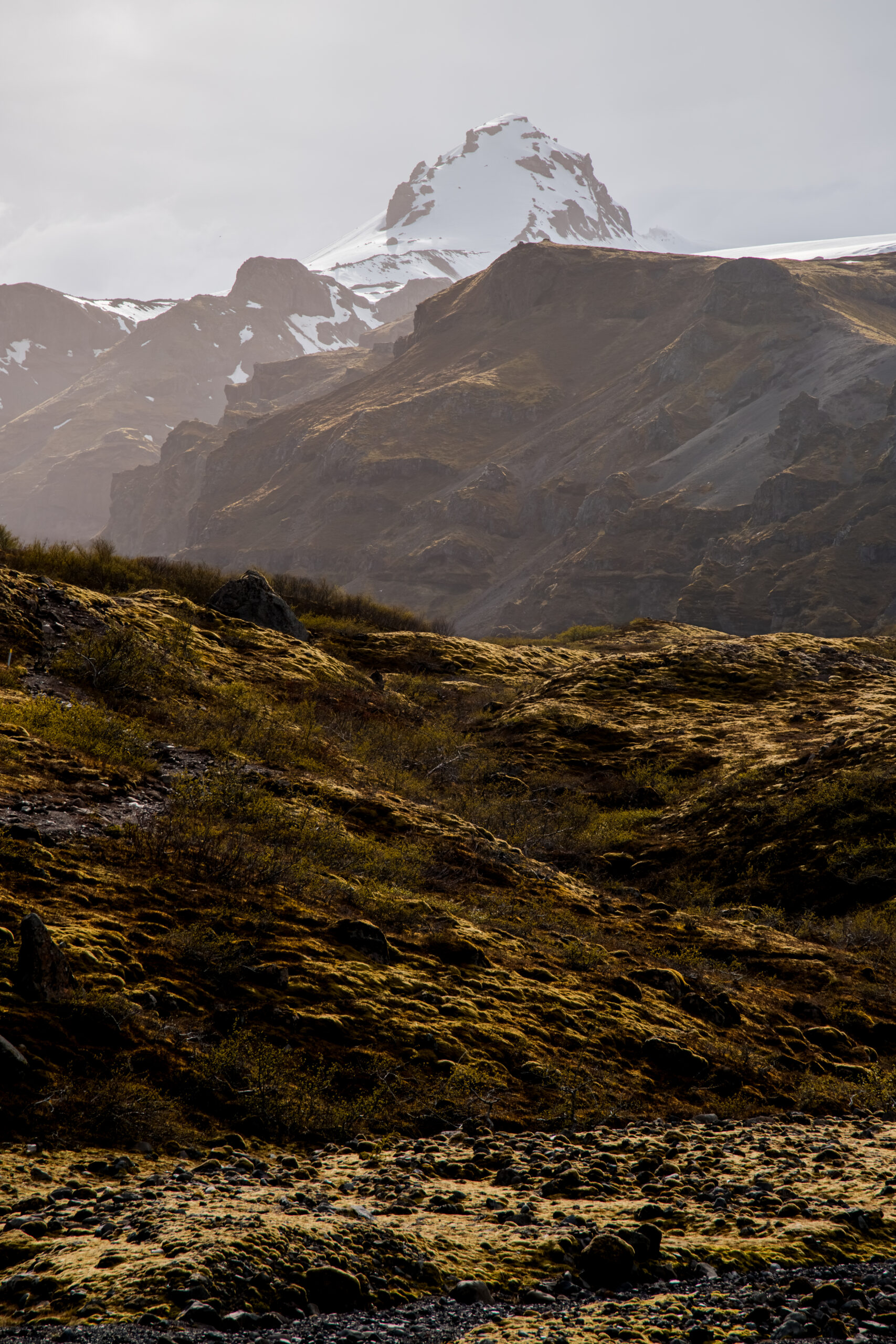
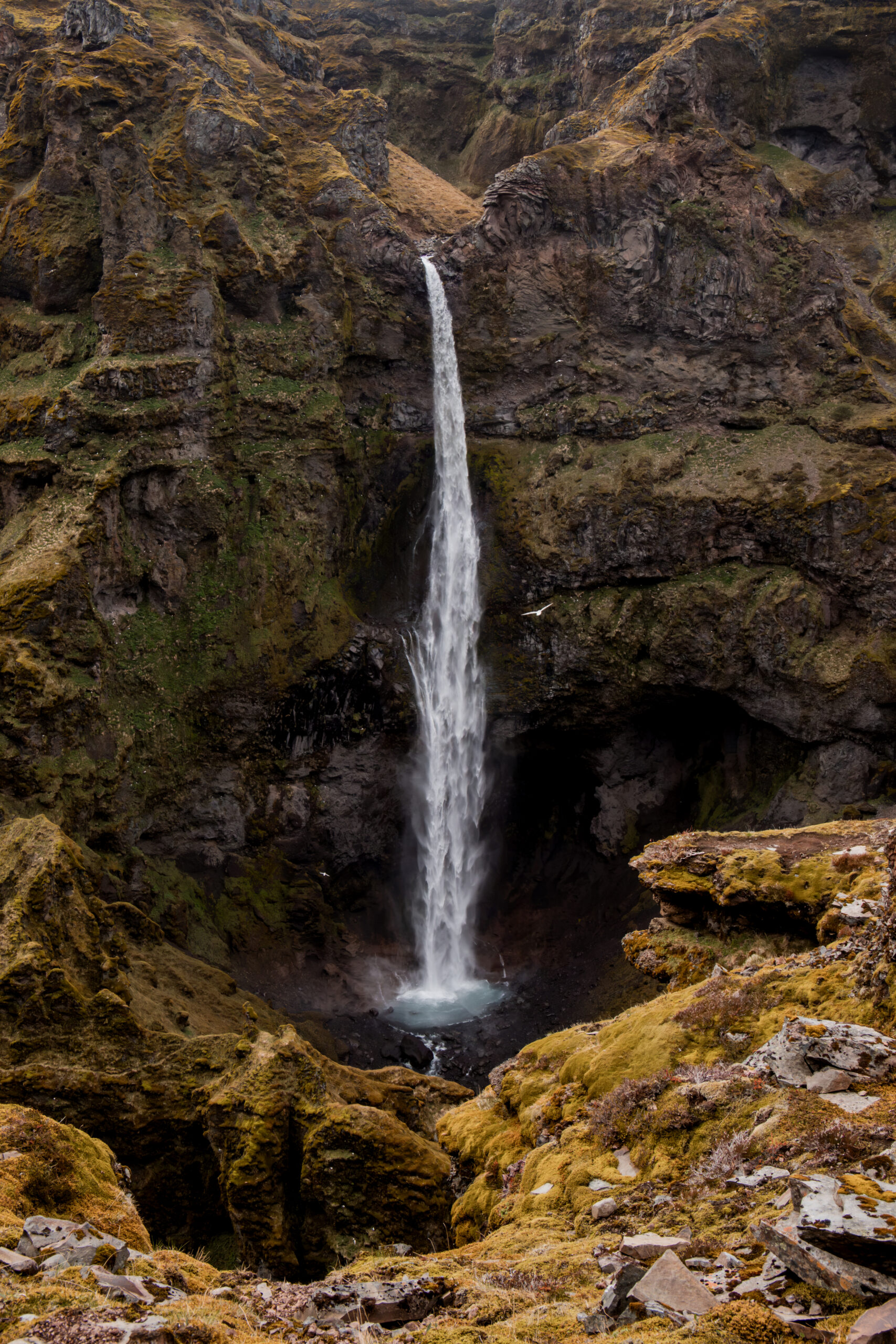
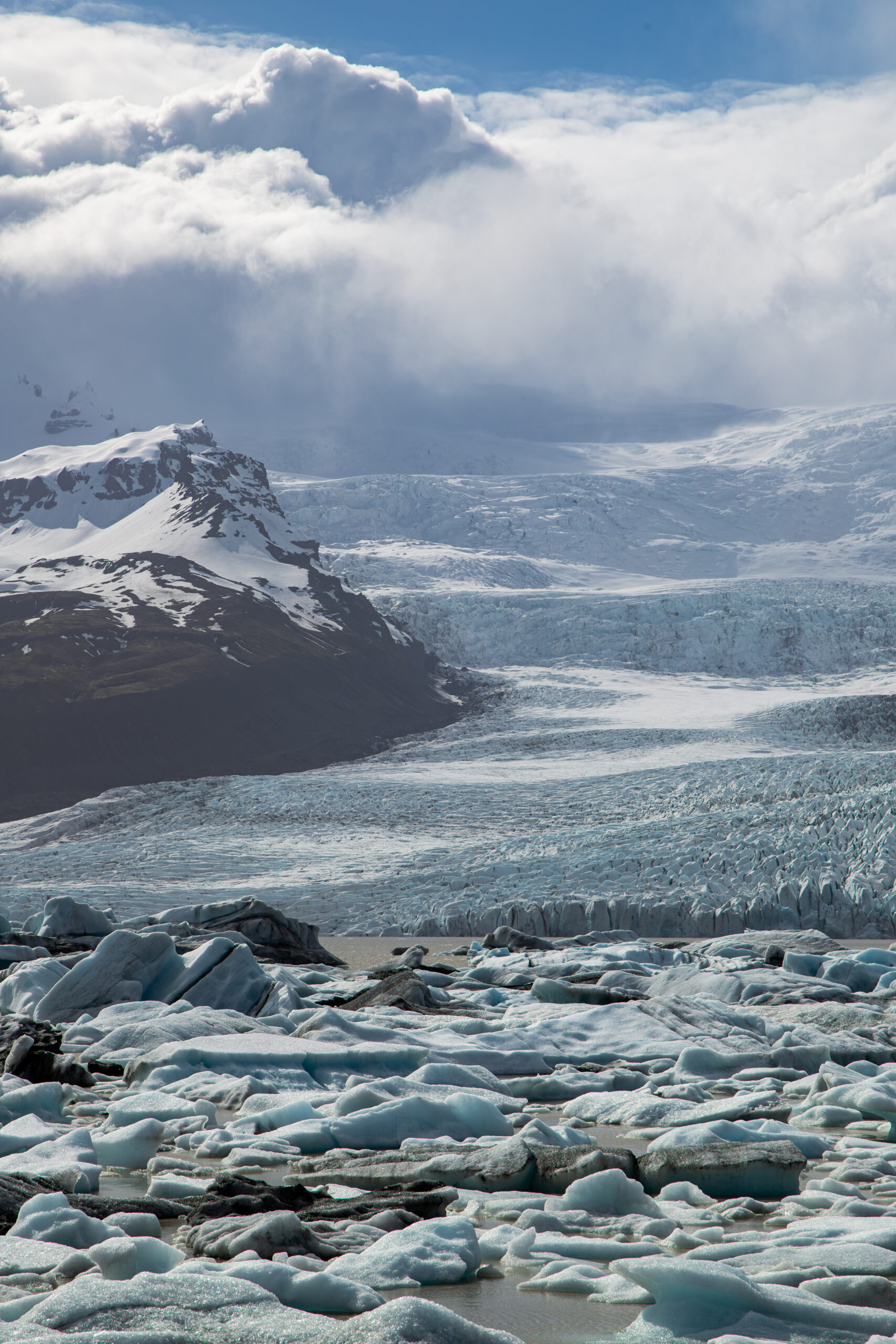
The views also give you a glimpse of where you’re headed next: Fjallsárlón glacier lagoon. Located at Vatnajökull’s base, the lake is filled with miniature icebergs from the Fjallsjökull outlet glacier. Seeing it from the mountains is beautiful, but the view up close had me questioning whether I was dreaming.
End the day at Jökulsárlón, a lagoon filled with 1,000-year-old icebergs. While the toilets and food trucks at the main tourist hub were a welcome convenience, the area is pretty crowded and chaotic. The west side offers more peaceful and expansive views without the crowds.
As you travel east on the Ring Road (Route 1) past the Skaftafell area, pull into the western car park on your left (before you reach the bridge). From the car park, various trails lead you through jaw-dropping panoramas of the lagoon. If you don’t have time for a longer hike, follow the short trail right up to the water and then loop back up to the car park.
Alternatively, leave your car and follow the path under the bridge towards the main Jökulsárlón site and onto the black sands of Diamond Beach. At low tide, chunks of glittering ice show up along the sand, so plan your schedule accordingly if you don’t want to miss it.
Day 7: The wild Reykjanes Peninsula
As you travel back west, spend your final day on the Reykjanes Peninsula — a raw, volcanic landscape just outside Reykjavík.
Explore the different vantage points around Kleifarvatn lake, and stop off at the Seltún geothermal area, where sulphur coats the ground in rusty hues as the earth bubbles calmly around you.
Drive through miles of lava fields, where centuries-old moss creeps over volcanic rock, creating a soft, whimsical terrain. Check out the Brimketill lava rock pools as seawater crashes into them (stand back if you don’t want to get splashed).
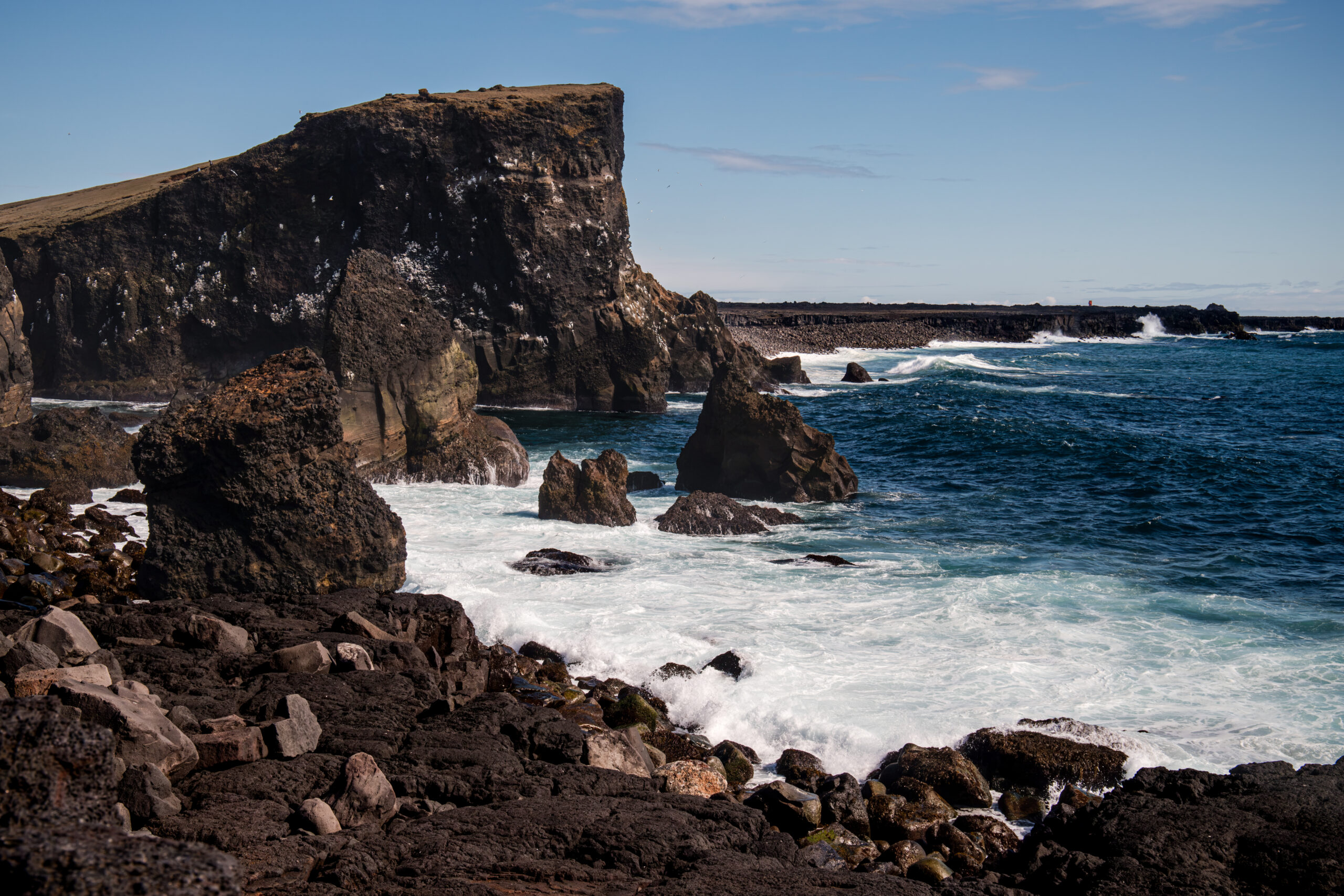
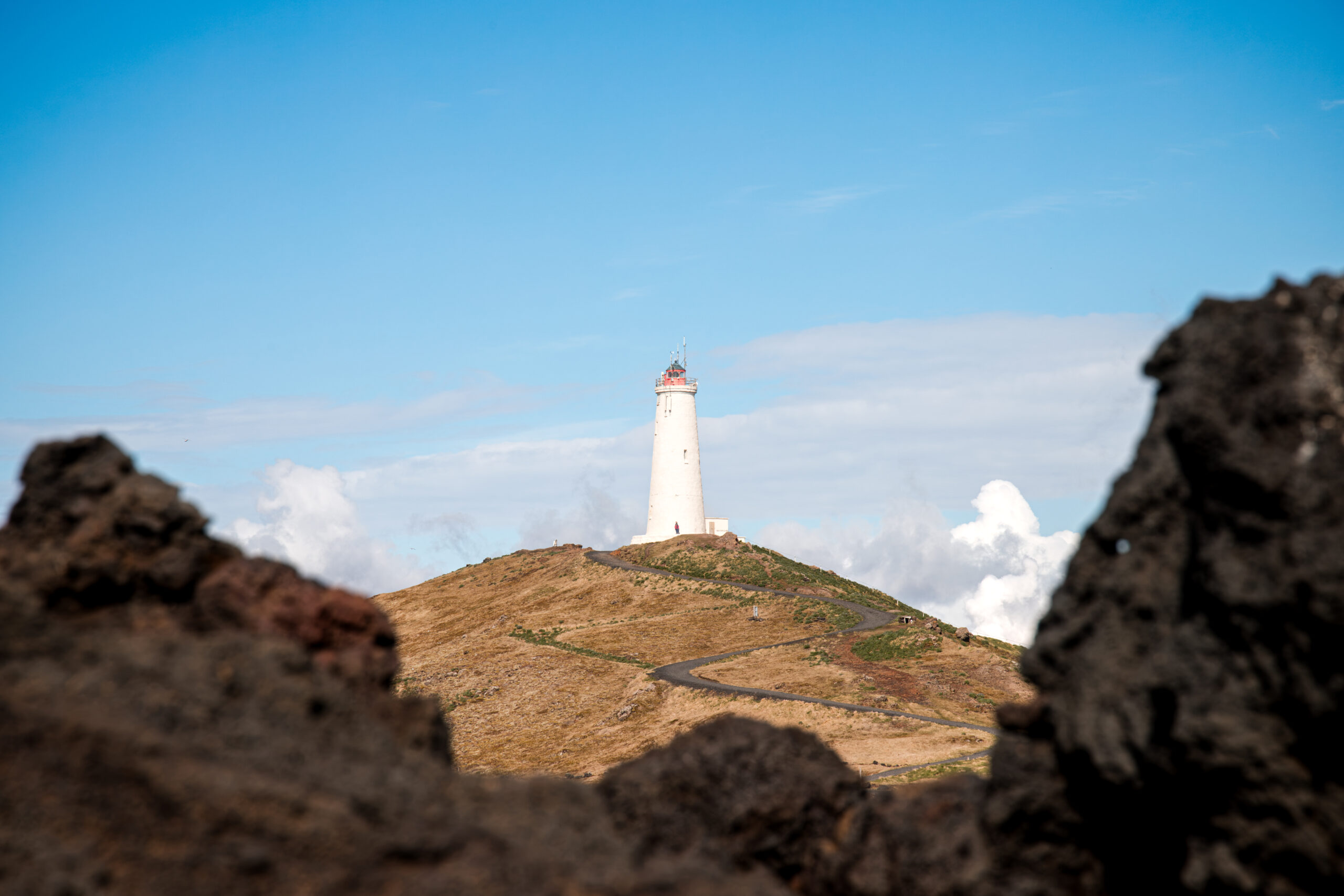
Finish at the postcard-perfect lighthouse and cliffs at Valahnjúkamöl beach. Climb up the hilly edges (taking extra caution on windy days) and admire the bright-blue Atlantic at one with the seagulls.
Because it’s so close to Keflavík, Reykjanes is the perfect grand finale before you fly out. If your itinerary allows, head back into Reykjavík for one last evening among the street art and harbour lights.
Experience the island for yourself
If you’re someone who feels restored by nature, a summer excursion under the Icelandic sun will recalibrate you. Lose all sense of time and space (in the best way) and return home with a full heart and an even fuller camera roll.
In a world driven by machines, technology, and automation, this may just be the nature trip you need to be reminded of everything this glorious earth has to offer. It takes some planning, budgeting, and bags packed for every season – but you’ll be mentally planning your next trip back from the moment you’re swept up into Iceland’s otherworldliness.
If you are interested in planning a Nordic adventure other than an Iceland summer road trip, check out some of our most popular guides:
- A complete guide to Helsinki, Finland
- 4 days in Finland: Husky safari with an open fire lunch and Spa Bomba
- The best things to do in Denmark
- A 7 day itinerary for the Faroe Islands
- A 10-day road trip itinerary for Western Norway
- A complete city guide to Stockholm, Sweden
- My Scandinavian and Russian adventure with Princess Cruises: Life on a cruise
Have you been to Iceland?
What are the best things to do in Iceland? Anything you’d add to this Iceland bucket list?
Talia Goldman
You can follow Talia’s adventures on Instagram @Travel.with.tals