A Complete Seville, Spain Travel Guide
Seville is one of those rare places that whisks you back in time, yet somehow keeps you grounded in the present. 15th-century Moorish arches cast shadows over modern espresso bars, as bougainvillaea spill over medieval stone walls and wrought-iron balconies.
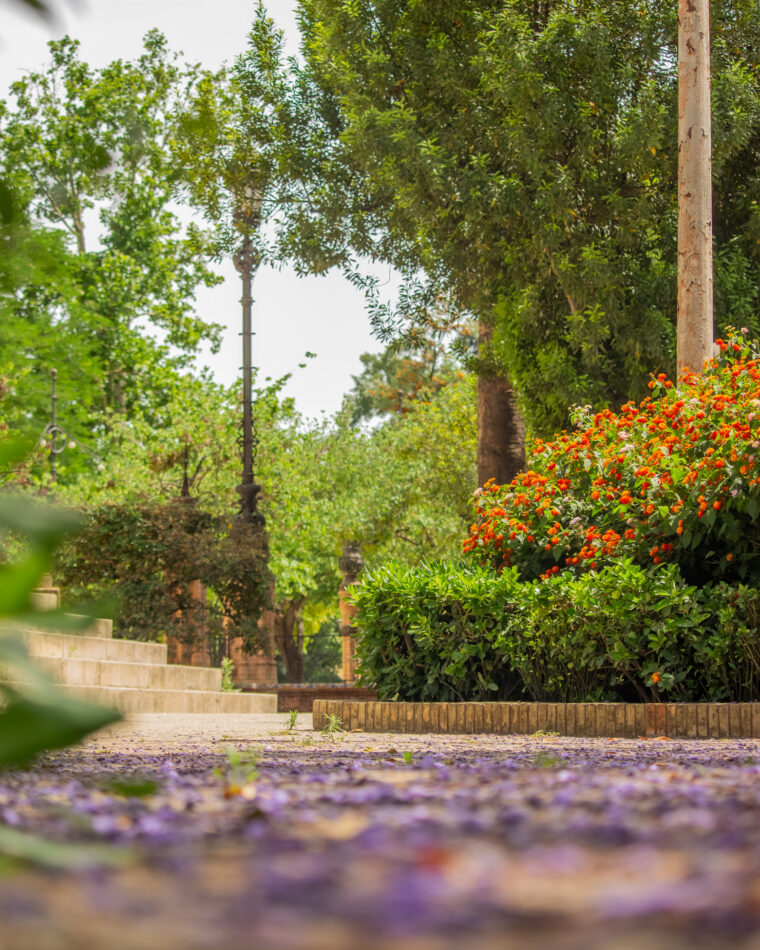
Purple jacaranda blooms dance through the air and settle on the ground like confetti, as bright oranges nest among deep green trees.
Located in Andalusia (southern Spain), Seville is renowned for its timeless architecture, deep-rooted tapas culture, and its status as the birthplace of Flamenco. There’s an ever-present buzz that skips the city rush; a perfect place to spend a few days wandering.
If you’re planning a trip to Seville, Spain or are looking for the best things to do in Seville, Spain – you’ve arrived to the perfect place.
The best time to visit Seville
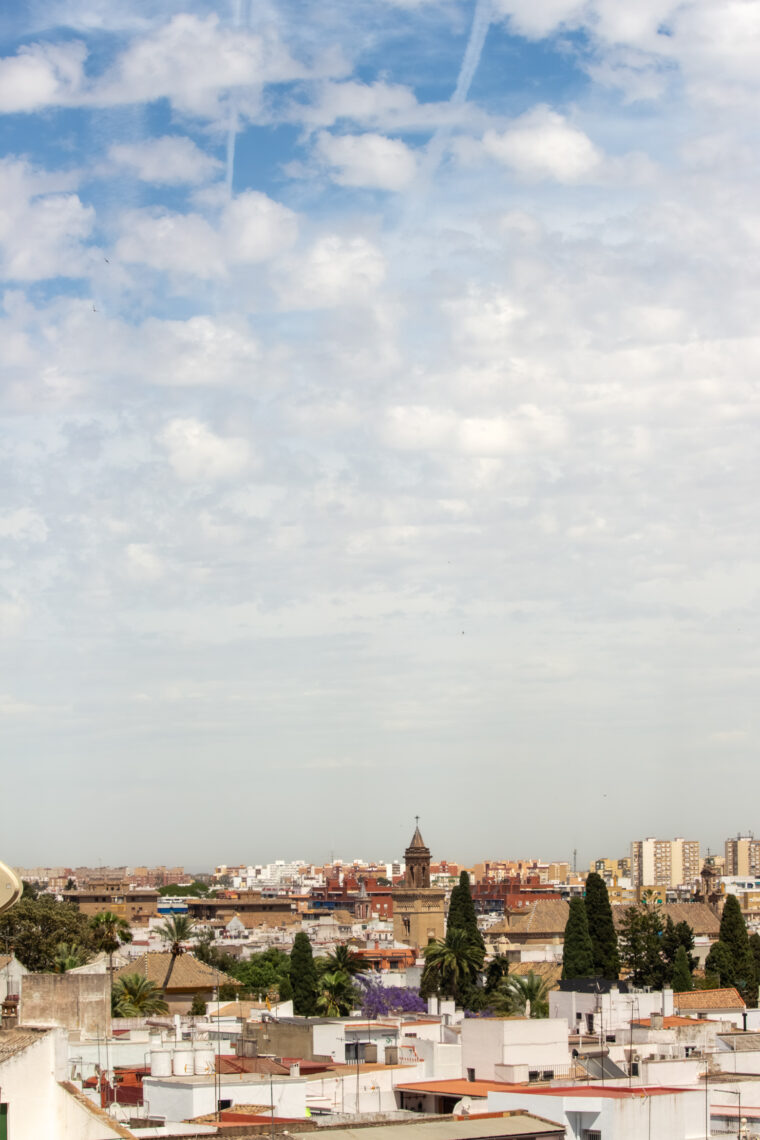
Let’s begin with the best time to visit Seville, Spain. While Seville is beautiful year-round, Spring is the ideal time to enjoy the city’s outdoor energy before the temperatures peak. If you’re planning a summer trip, prepare for strong heat. Seville is one of the hottest cities in Europe, with July and August temperatures regularly soaring above 40°C.
How long to spend in Seville
Seville is, without a doubt, perfect for a weekend break. You can see the main highlights in two or three days, but it’s somewhere that’s best enjoyed when you aren’t rushing.
Four or five days in Seville, Spain will leave enough time for long lunches and afternoon siestas without feeling like you’re missing out.
Where to stay in Seville, Spain
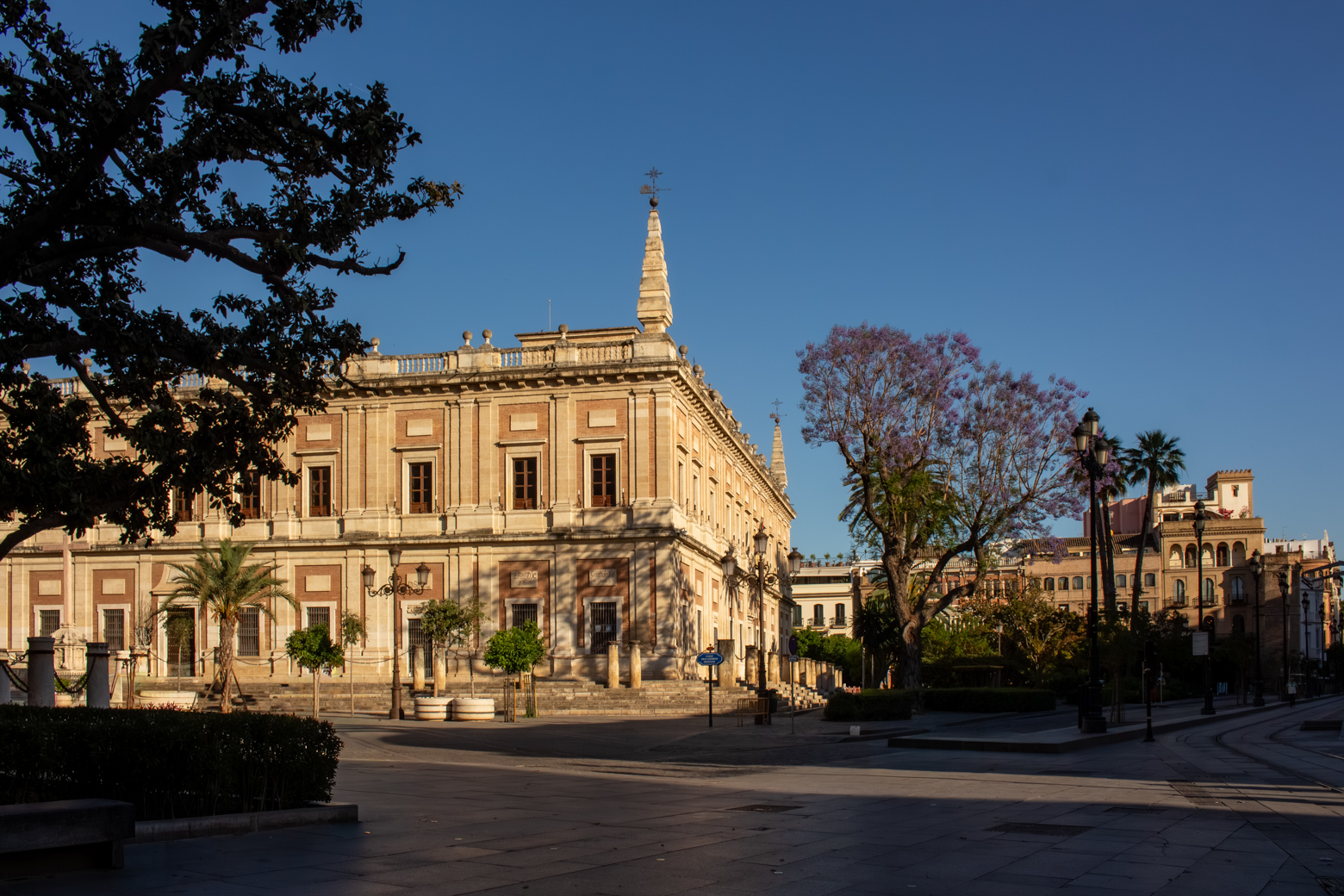
I stayed in Santa Cruz, the old Jewish quarter, where sun-kissed alleys weave through hidden courtyards filled with the sound of trickling fountains. It’s right in the heart of the city, so almost every major landmark is within walking distance and charming boutiques, cafes, and restaurants are hidden around every corner.
While the day belongs to the bright sun on floral-drenched trees and pale stone, at night the city feels sparkly yet intimate, with silhouettes and soft pockets of light flittering across the cobblestones. Once the sun sets, Santa Cruz is bathed in a warm evening glow, with its architectural grandeur juxtaposed against the night sky.
The best way to get around Seville, Spain
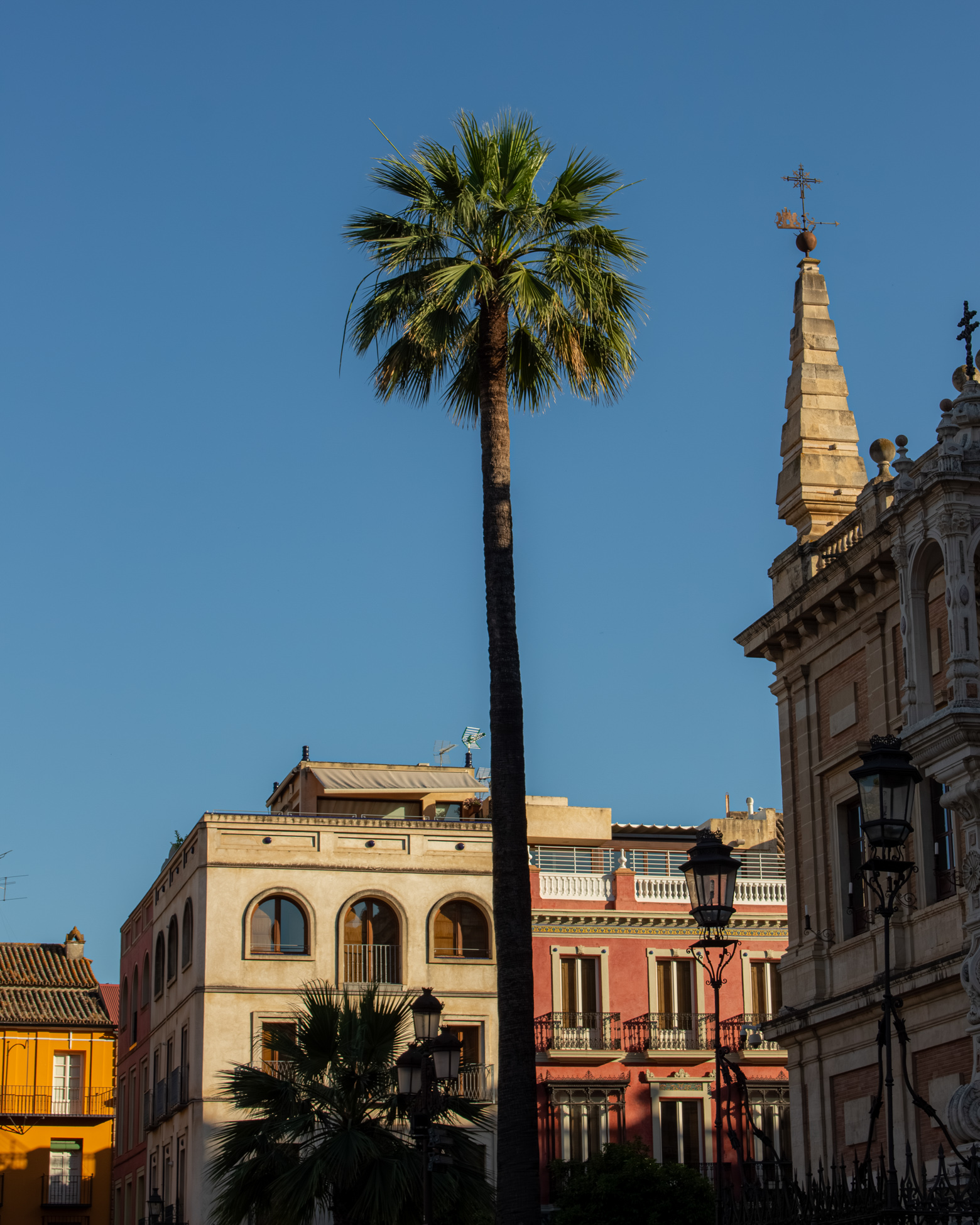
One of the joys of Seville is its compact, pedestrian-friendly layout. The best way to get around is undoubtedly on foot. Most of the city’s iconic landmarks — like the Cathedral, the Giralda, and the Real Alcázar — are only a short walk from each other. In fact, because of the narrow, winding streets, many spots aren’t even accessible by car.
If your feet do need a rest, Seville has a fantastic, affordable tram system (MetroCentro) and an easy-to-use public bike rental service called Sevici.
Travelling solo?
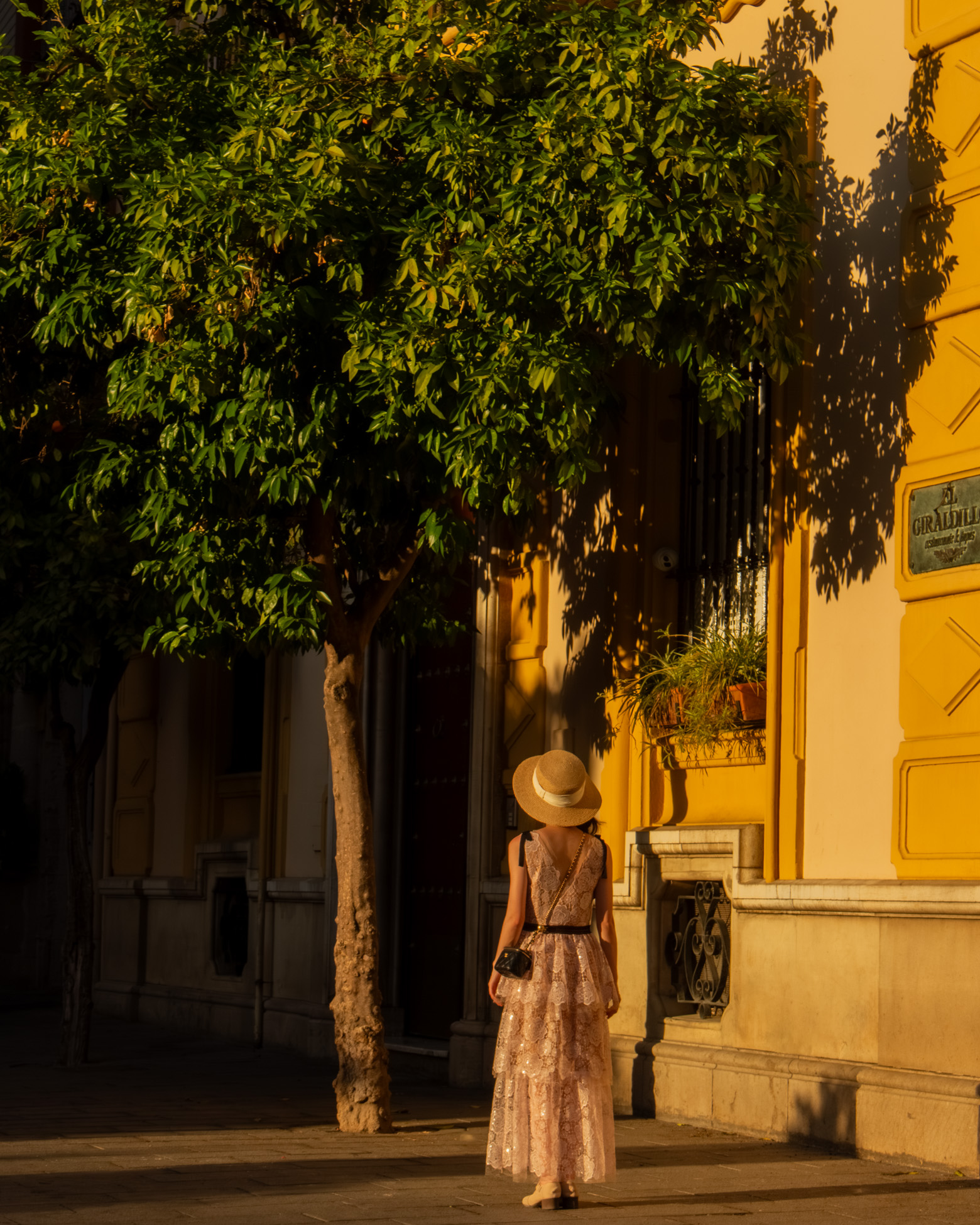
I took myself to Seville on a little vacation en route to a friend’s wedding in Madrid, and I loved every minute. It felt safe and welcoming. Lying in the grass next to Plaza de España with my book and people-watching while sipping sangria was truly blissful.
The best things to do in Seville, Spain
1. Experience the grandeur of Plaza de España
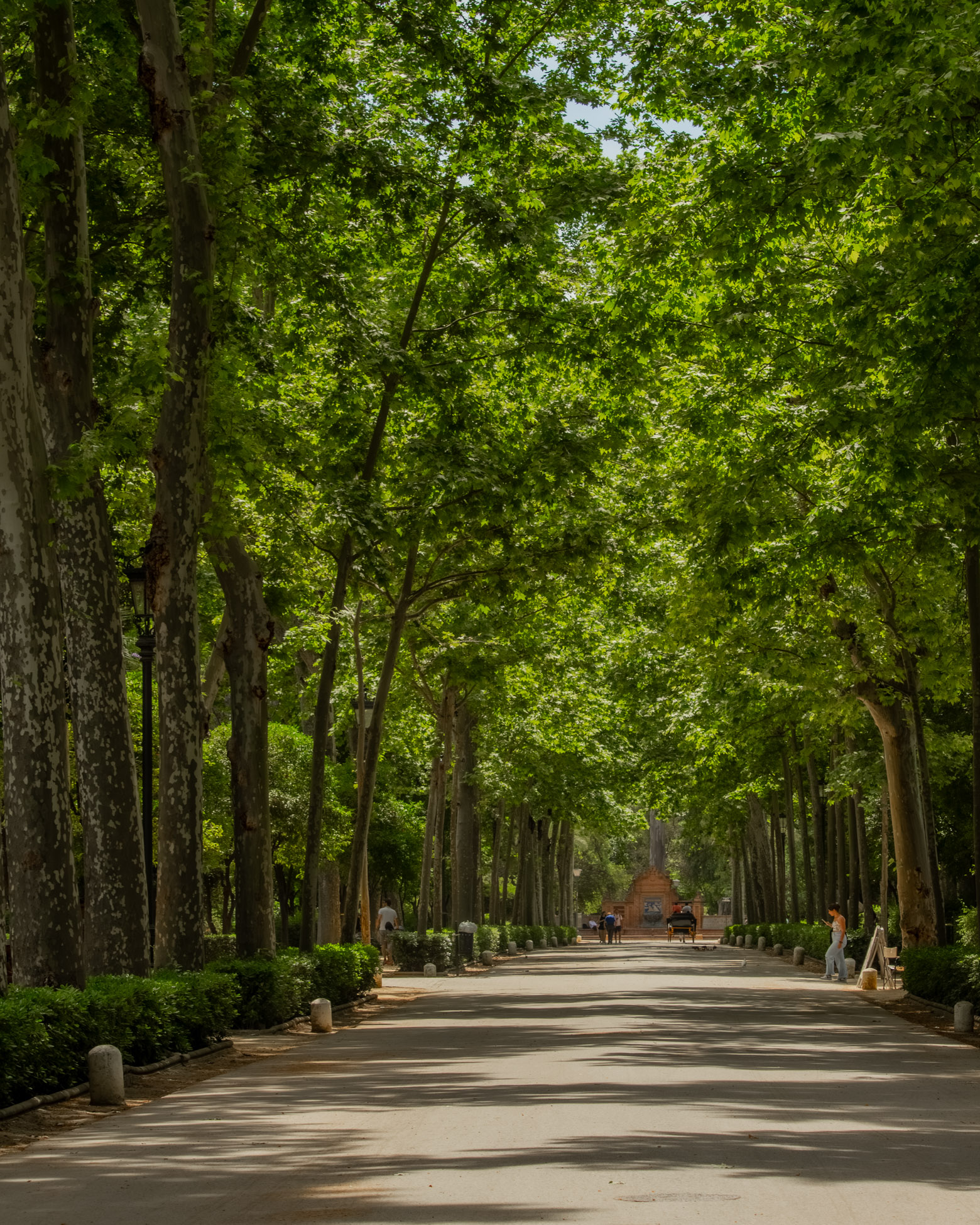
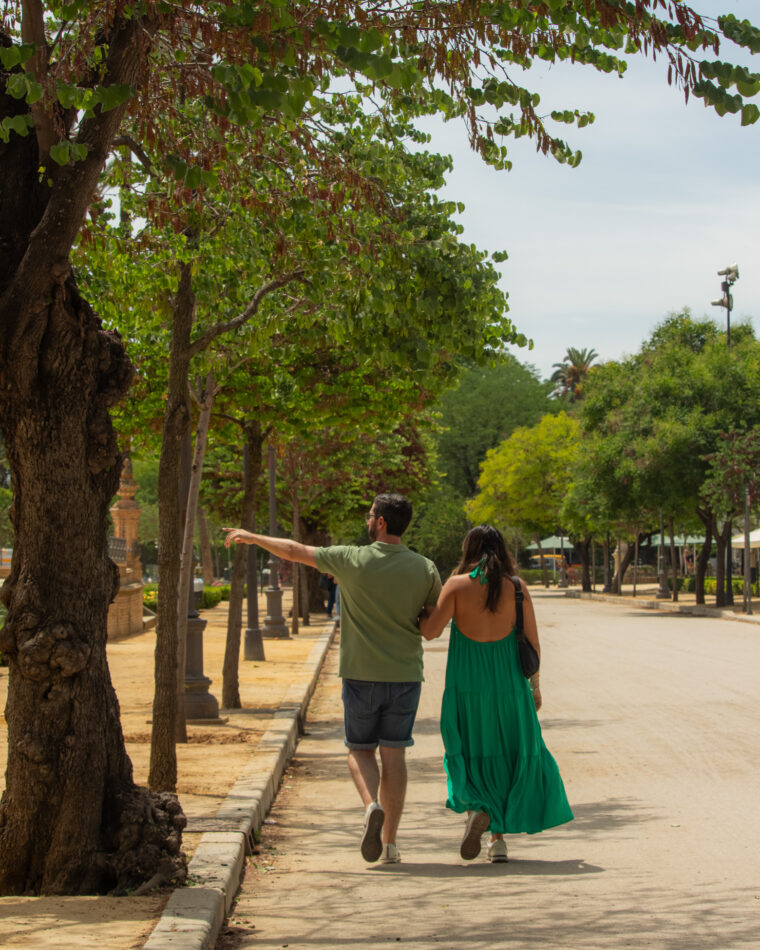
Take a walk through the Jardines del Prado de San Sebastián, where towering treetops provide much-needed shade, until you reach the exquisite Plaza de España.
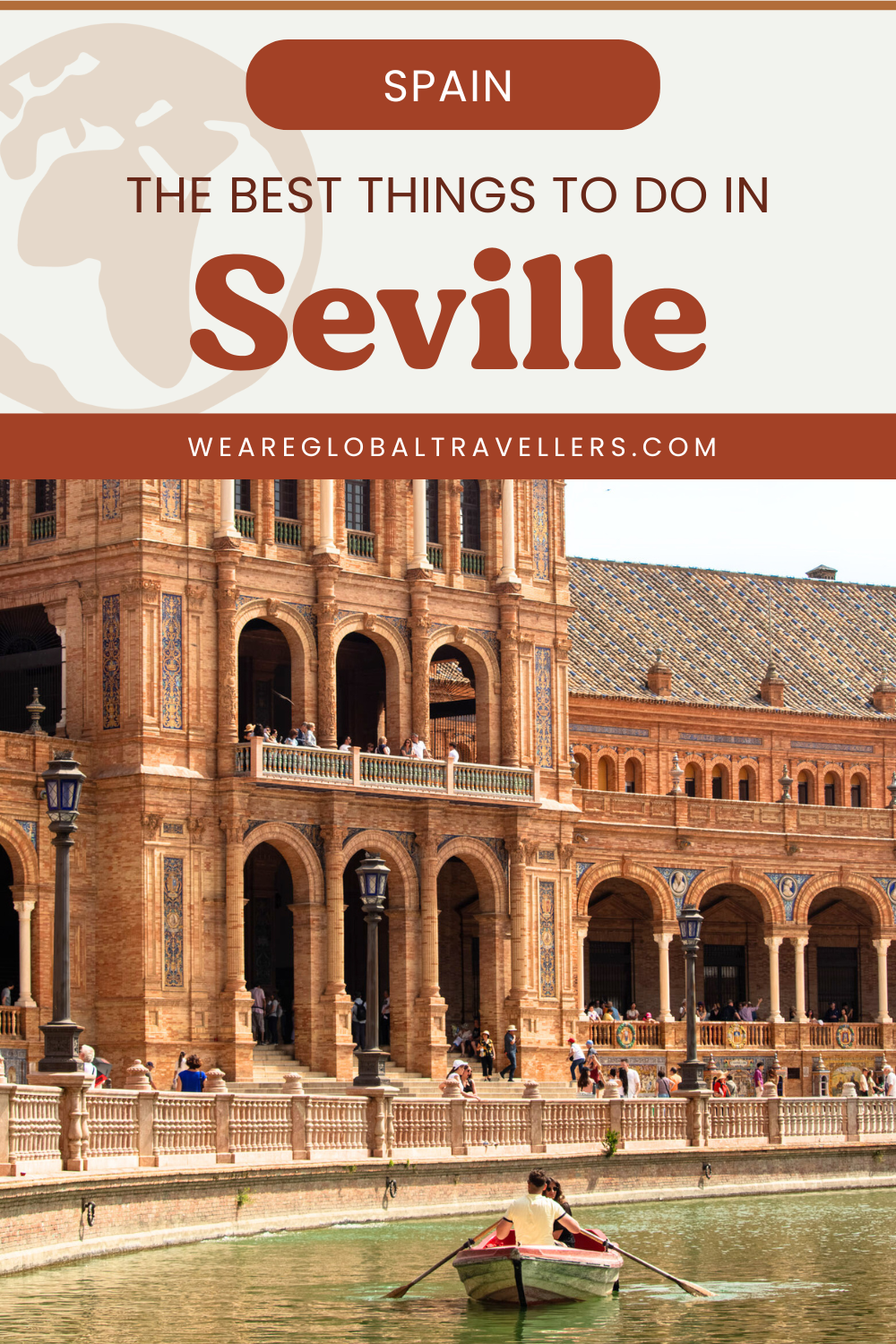
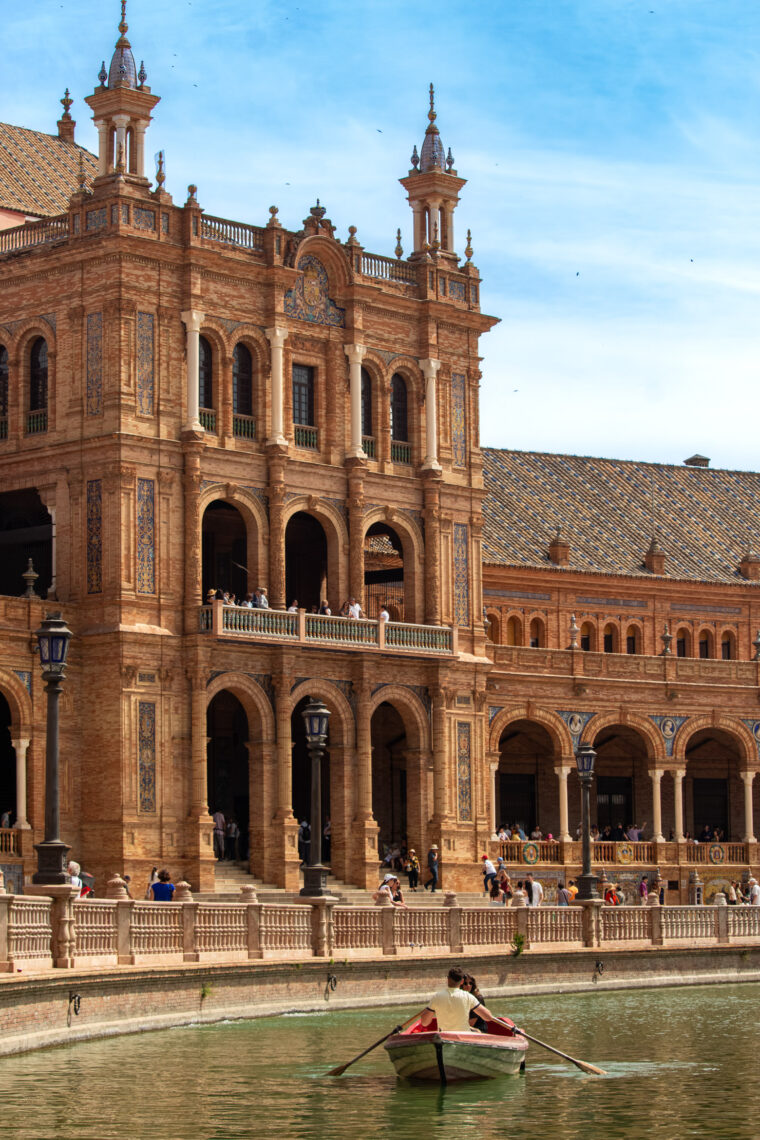
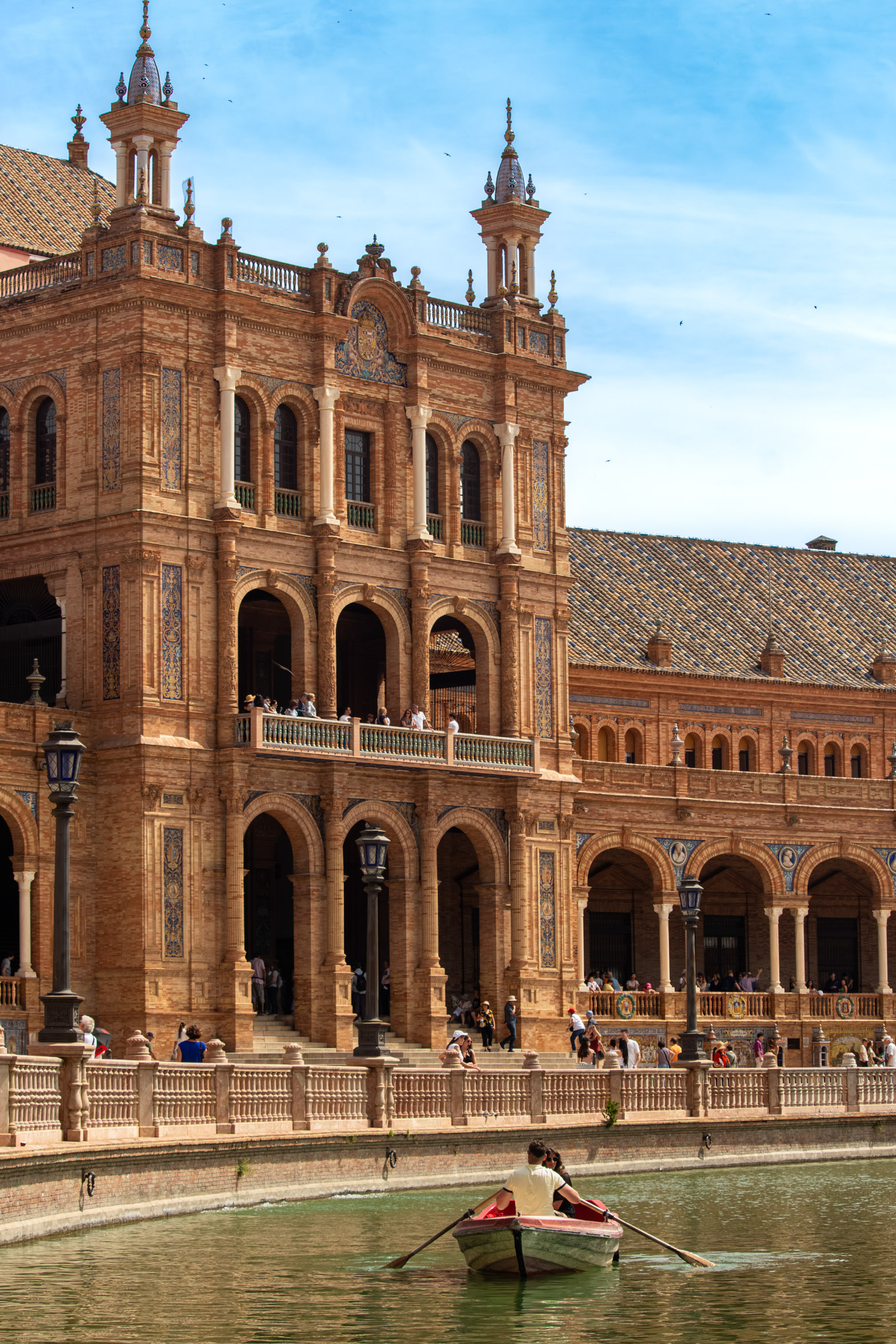
This massive, semicircular landmark blends timeless brickwork with colourful and delicately patterned tiling. Built for the 1929 Ibero-American Expo, its curved design symbolises Spain’s embrace of its former colonies. You may also recognise it from popular movies like Star Wars and The Dictator.
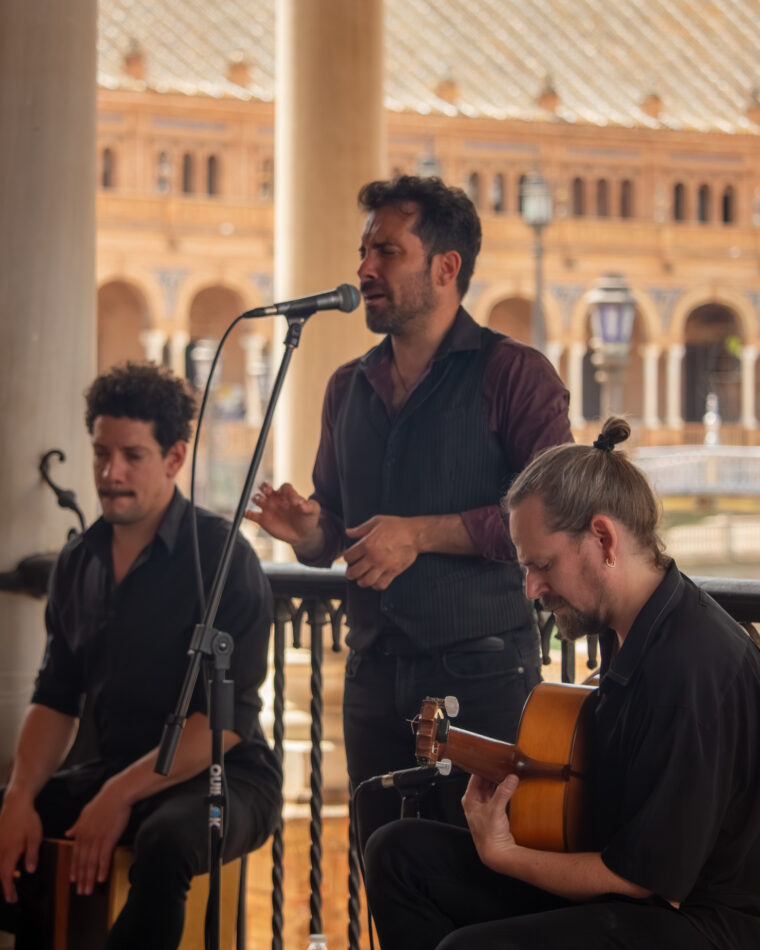
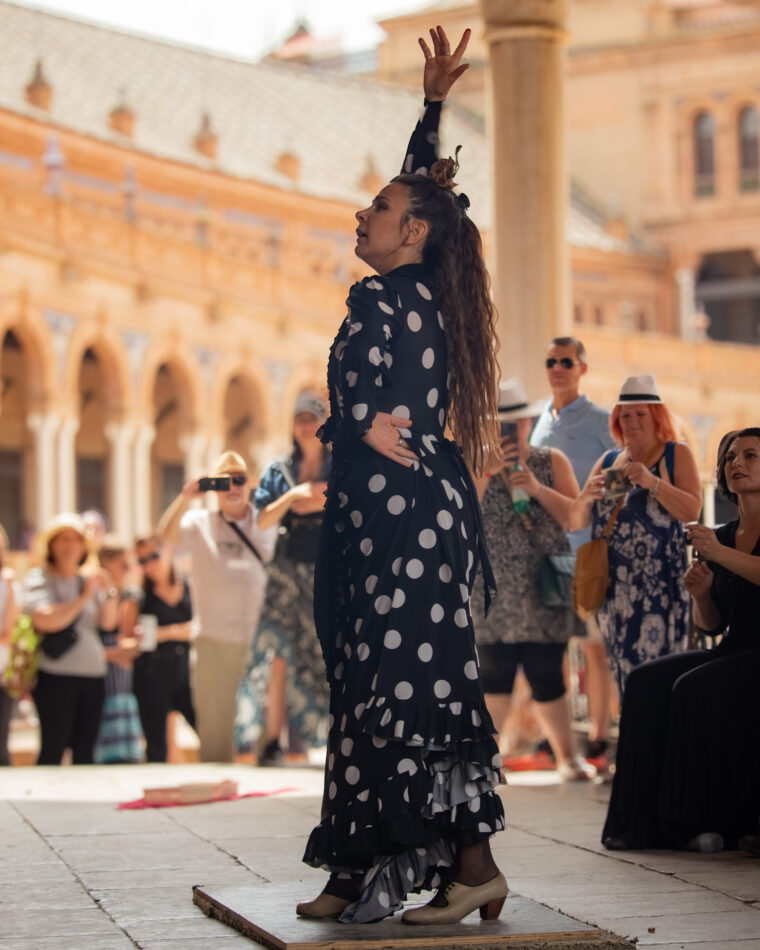
Ornate bridges pass over a moat, where the water reflects blue and white ceramic railings as visitors drift by on rowboats. Walk under the shaded arches, as music fills the air around you, accompanying the captivating Flamenco performers who add a raw and soulful layer to a place so beautifully entrenched in history.
2. Breathe in the beauty of María Luisa Park
Right next to the Plaza is Parque de María Luisa, a botanical wonderland filled with unique sculptures, hidden ponds, and tiled fountains that gurgle under the trees. The paths are lined with ceramic benches, and hidden pavilions are framed by entangled flowers.
Every turn offers new serenity for your senses, from the melodious birdsong to floral scents and Mother Nature’s rainbow palette. A dreamy spot for a morning stroll, a picnic in the grass, or even a shaded siesta.
3. See the mushrooms at Setas de Seville
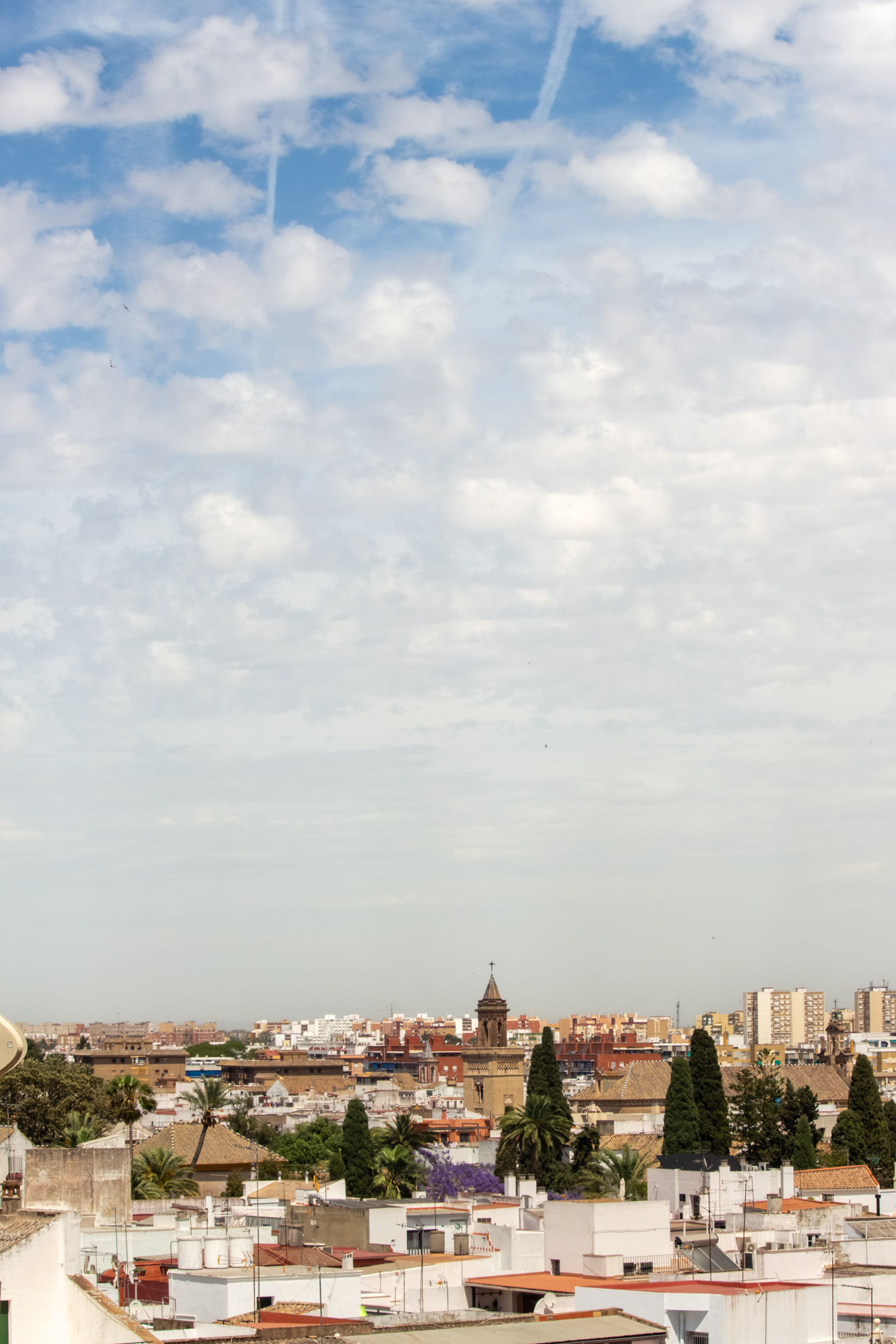
Towering over the Plaza de la Encarnación is the Metropol Parasol, known as Las Setas (The Mushrooms). This waffle-patterned wooden structure is the largest of its kind in the world. Head up to the winding 360° walkway for stunning cityscape views.
Inside, sit back and relax while you watch the sensory film, Feeling Seville. At ground level, stop for lunch at Mercado de la Encarnación, a historical food market that was revitalised in 2010 with the opening of Las Setas. Directly below is the Antiquarium, a museum where glass floors reveal Roman ruins below. The surrounding area is filled with quirky shops and cafes, intertwining Seville’s ancient history with its modern-day culture.
As the sun dips, Las Setas transforms into a multicoloured glow as the Aurora light show pulses to the rhythm of the city, turning the skyline into an immersive art installation that glows in the dusk.
Tickets for Las Setas are usually up to €16 and cover the walkway experience, the film, an audio guide, and the Aurora light show. The Antiquarium is a separate museum with an entry fee of approximately €2.
4. Step into history at Casa de Pilatos
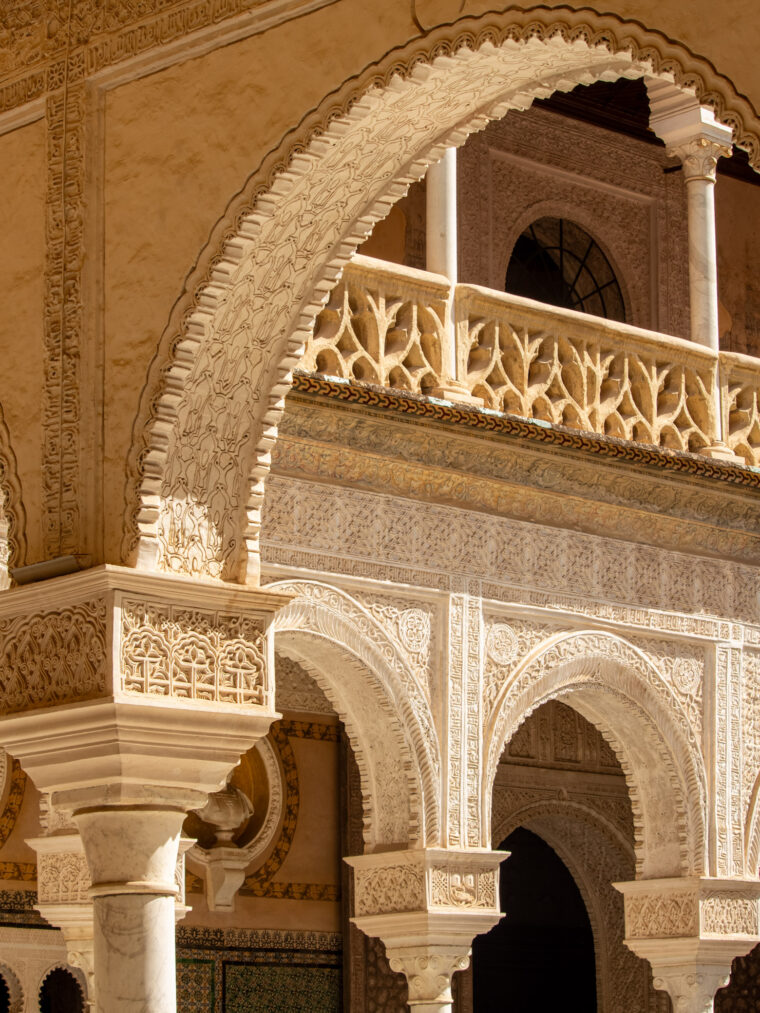
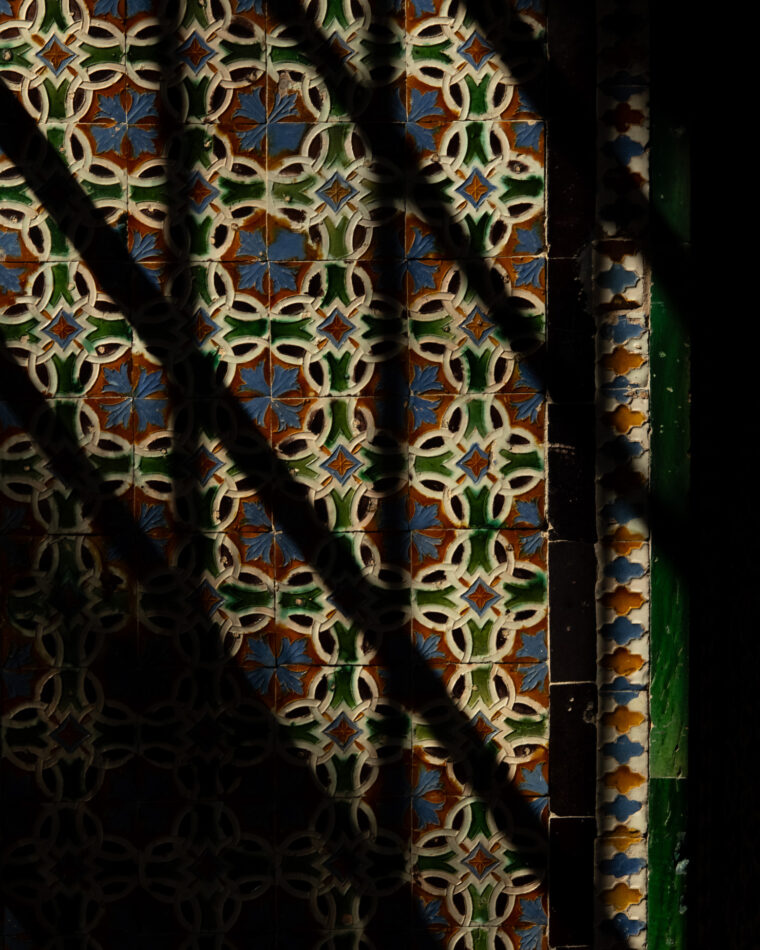
Between the Real Alcázar and Palacio de las Dueñas, there’s no shortage of magnificent palaces to visit in Sevilla, but Casa de Pilatos should definitely be on your list. A stunning blend of Italian Renaissance and Spanish Mudéjar styles, it’s a quiet, whimsical space where sunlight filters through carved arches, illuminating the multicolours adorning the walls.
The central courtyard has a palpable royal energy, with intricate azulejo tiling surrounding statues of Roman goddesses and a labyrinth of meticulously shaped bushes and trees drenched in falling petals.
Tickets are €12 for the ground floor and gardens (including an audio guide), with an optional €6 add-on for a guided tour of the upper floor.
5. Taste your way through Mercado de Triana
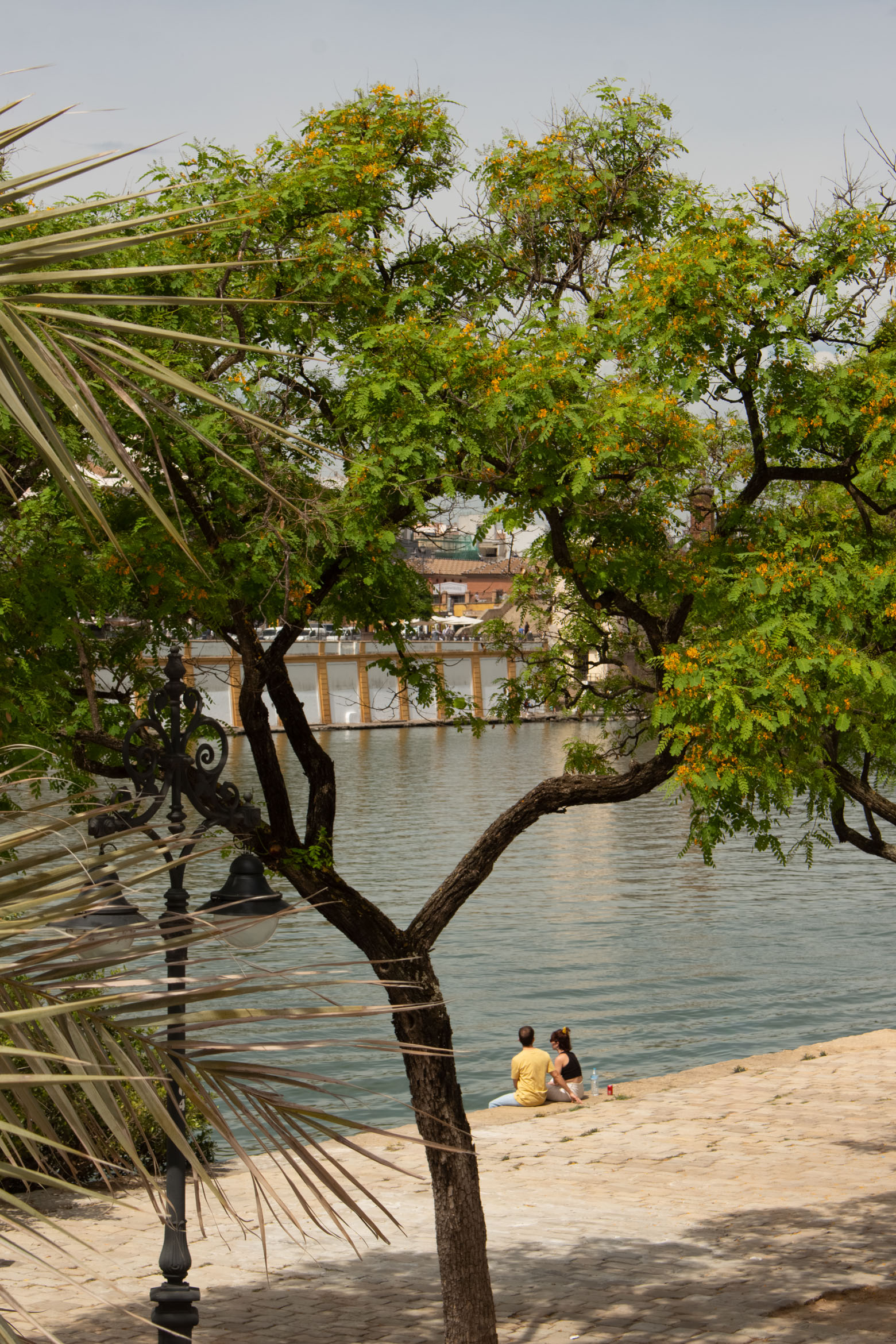
Meander through the old town of El Arenal toward the riverside promenade, and take a walk along the water. Cross the bridge over the Guadalquivir River to reach Triana, a neighbourhood famous for its ceramic history and vibrant market. Mercado de Triana is built over the remains of an old castle (Castillo de San Jorge) and is packed with fresh groceries, local delicacies, and yummy desserts.
After you’ve eaten your fill, browse the colourful ceramics shops nearby. I had to exercise some serious willpower because I only had hand luggage, but I couldn’t resist picking up some divine handmade espresso cups to take a piece of Sevilla home with me.
6. Shop like a local
If you’re looking for major brands and boutiques, head to Sierpes, Tetuán, and the El Duque district. For a more trendy, local vibe, La Alameda is the place to go for cool bars and unique shops. If you want a mix of everything with a side of café culture, pop over to Calle Asunción.
7. Indulge in authentic tapas and local flavours
One of the absolute best things to do in Seville is to eat your way through it. The food culture is very social; instead of one big sit-down meal, people tend to graze on tapas while moving between different bars and terraces. It’s high-energy and unpretentious, with a focus on fresh ingredients and traditional recipes.
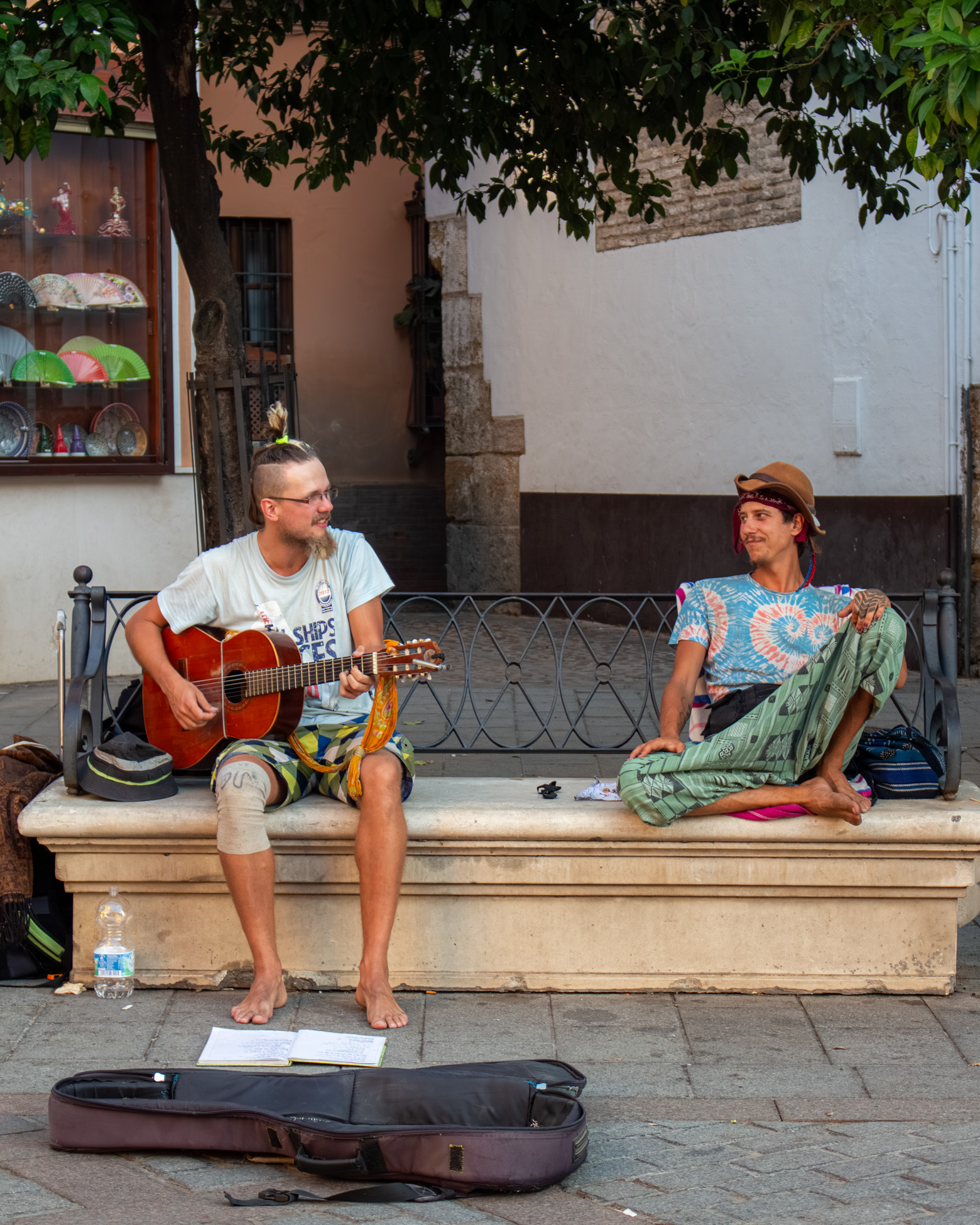
Head to Antigua Taberna de las Escobas, a restaurant that’s been around since 1386, making it one of the oldest spots in Spain. I sat outside, watching the street buskers as I enjoyed some sangria and a surprisingly delicious vegan paella. Another must-visit is Taberna Belmonte in Santa Cruz – the tapas there were so good I actually went back twice (yep, even the veggie options). For dessert, you have your pick of high-quality gelato places throughout the city.
The Andalusian sun is waiting for you
One of the most magical things about Seville is how naturally its ancient stories, modern energy, and delicate nature all intertwine. You can spend the morning under the arches of a royal palace, drift through the park in the afternoon, and end the day sharing tapas as the city comes alive around you.
It’s somewhere that convinces you to slow down, be present in your surroundings, and let time pass naturally. Whether you’re inhaling the blissful scents of orange blossom, listening to flamenco guitar echoing off the stone, or wandering the streets with a gelato in your hand, it’s a city that feels warm and welcoming, like it was built for you to just exist in it. Sevilla is somewhere that needs to be felt, tasted, and experienced firsthand to be understood. So go and see for yourself.
Have you been to Seville??
Anything you’d add to this Seville guide?
Love as always and happy adventuring…
Talia Goldman
You can follow Talia’s adventures on Instagram here.